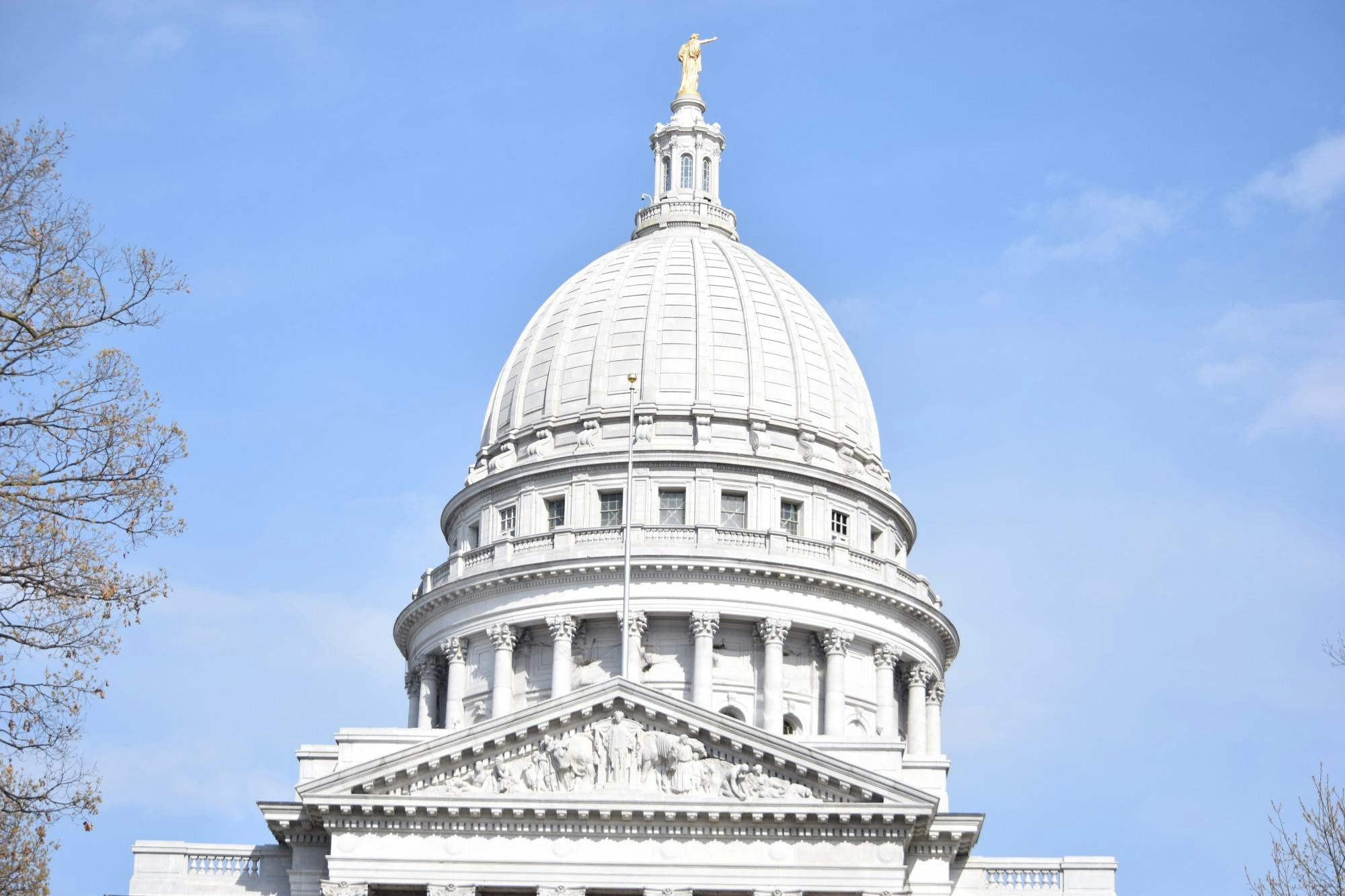
A new Democratic-backed minimum wage bill could return control over wage laws to Madison, opening the door for local officials to set pay standards above the state minimum for the first time in more than two decades.
Wisconsin Democrats introduced the bill on March 19, proposing to raise the statewide wages to $15 an hour immediately and to $20 an hour by 2030, while restoring the ability of local governments to set their own wage ordinances.
Many employers in Madison already pay above the state’s current minimum wage of $7.25 an hour. The city increased wages for contractors or recipients of city financial assistance to $16.50 an hour as of 2025. The city estimates the 2026 living wage in Madison is $17 per hour, but the single adult living wage in Wisconsin is $20.88 an hour, according to the Living Wage Calculator.
The proposal would also increase tipped wages to $7.50 an hour upon enactment and $20 an hour by 2030. Small businesses with 50 or fewer employees would have an additional five years to meet each requirement.
Wisconsin lawmakers took power from local ordinances and restricted them from creating their own minimum wage laws more than two decades ago, according to Dylan Brogan, Communications Manager for the city of Madison.
Sen. Kelda Roys, D-Madison, is a sponsor of the new minimum wage bill. Roys told The Daily Cardinal local control should have never been taken.
“This bill restores local control for every community to make their own determination about how much their residents need to survive and thrive, as it should be,” Roys said. “It doesn't cost the same to live in Antigo as it does to live in Madison or Green Bay.”
Roys said she believes the new wage and local ordinance rule will benefit both employers and employees.
The owner of the State street business Raygun, Mike Draper, agrees.
Draper told the Cardinal the real harm for small businesses happens when Americans do not have enough spending power, citing a report from Bloomberg saying only the top 10% of earners in America drive about 50% of total spending.
“We need to put more spending power in the hands of the average American, and I think the minimum wage is the best avenue for that,” Draper said. “It puts money directly into the hands of those working for that money, without having to route that money through the government.”
Draper said Raygun already provides yearly wage raises for employees, and the company would easily be able to comply with the $20 an hour minimum by 2030.
Roys herself is a small business owner and said small businesses were high on the list of priorities when drafting the legislation.
“It was important to me that we make sure that small businesses are accounted for, even though they are much less likely to engage in wage suppression than large amounts of multinational corporations,” she said.
Roys also pointed to previous efforts by Democratic Wisconsin legislators, including Gov. Tony Evers’ push to freeze or reduce property taxes, expand homestead tax credits and create new tax breaks tied to housing and child care costs.
According to Brogan, Madison has not yet considered moving to raise wages due to state control and the bill still being in its beginning stages.
“It would be premature to speculate how Madison policymakers would respond to a potential change to the current law,” Brogan told the Cardinal.
Though the city has not begun to make moves, Roys said Madison may be less affected by any negative impacts of the wage change since most businesses already pay above the minimum wage.
“One of the really important reasons you want wages to be higher is because those wages then circulate in the community,” Roys said. “When you put more money in workers' pockets, they go out to restaurants, movies and buy things at stores.”
The bill is unlikely to advance this session, as Roys said Republican lawmakers who control the Legislature have blocked similar proposals. Roys said there is lots of support for the bill through Democratic legislators, labor unions and worker advocacy groups.
If passed, Madison could potentially pass an ordinance to raise minimum wages in Madison through the city council and the mayor’s approval.