University of Wisconsin-Madison infectious disease expert Joseph McBride discussed rising measles cases across the United States and on campus in an interview with The Daily Cardinal.
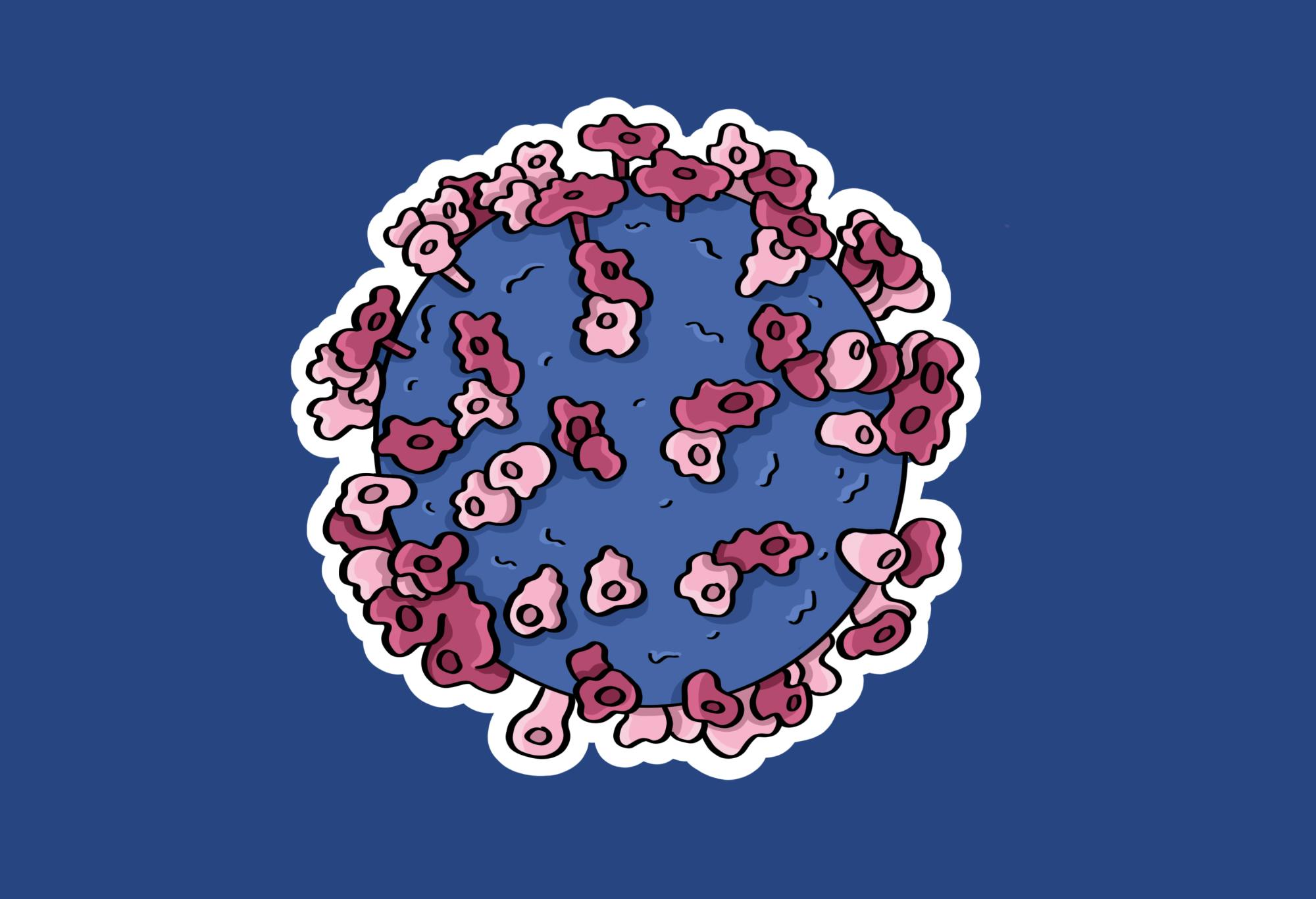
Measles was declared eliminated 26 years ago, but the disease may soon be declared endemic again due in part to lagging vaccine rates and skepticism. More than 24 states have reported measles infections this year, with one of the largest outbreaks in the country in more than three decades happening in South Carolina.
Measles has hit close to home too with a University of Wisconsin-Madison student contracting measles from international travel. The university alerted students to the case on Feb. 2, and a new policy requires UW-Madison students to disclose their vaccination status by Mar. 12. Over 4,000 community members were exposed at locations on or near campus, but so far, no new measles cases connected to the UW student have been reported.
What measles symptoms should students look out for?
McBride said measles is a highly contagious airborne respiratory illness that follows a predictable pattern: symptoms typically appear 7 to 21 days after exposure and include fever, dry cough, runny nose and red, watery eyes.
“Measles plays by the rules,” he said.
The signature measles rash, called morbilliform, starts at the hairline and spreads downward. McBride said measles is also a leading cause of blindness worldwide, particularly in individuals with a vitamin A deficiency.
Unlike COVID-19, McBride said masking does not prevent measles transmission. The virus can linger in the air for up to two hours after an infected person leaves the space.
Because of its contagious nature, unvaccinated students exposed to measles at UW-Madison must quarantine for 21 days, either at home or off-campus. The university will not provide quarantine housing or hotel accommodations. Those affected should avoid public transportation, classes, work, and all social activities.
How can students protect themselves?
McBride said the current outbreak underscores the importance of vaccination, especially as antimicrobial resistance for the disease continues to rise.
“The best thing for students is to understand their immunity,” he said. “If they’re not up to date with their vaccines, they should get the vaccines if they’re eligible.”
Approximately one third of the student body self-reports their vaccine status and 95% of those who self-report have the Measles-Mumps-Rubella (MMR) vaccine.
The vaccine is a live vaccine, meaning it uses weakened viruses to build immunity. Because of this, some individuals, such as those undergoing chemotherapy or living with immune deficiencies, may not be able to receive it safely.
“They don’t have the luxury of protection,” McBride said. “That is why they are dependent on the immunity of everybody to be safe.”
UW-Madison recently announced MMR vaccine clinics through UHS, where students and staff can schedule appointments. UHS notes they don’t provide post-exposure vaccinations.
Once someone is infected with measles, it creates lifelong immunity from re-infection, and vaccination is not needed.
Measles outbreaks revive unused clinical skills
At UW Health University Hospital, recent national outbreaks have reshaped clinical training. Students are gaining hands-on experience managing previously rare or new infectious diseases.
“There are centuries of human experience and decades of medical data, but it has to be dusted off,” McBride said. “Bedside teaching comes up a lot more frequently than it ever would without it [measles outbreak].”
While most people recover from measles, the virus carries a rare 1/1000 but devastating long-term risk: Subacute Sclerosing Panencephalitis (SSPE). SSPE is a rare, fatal and progressive inflammation of the brain 7 to 11 years after infection. It causes cognitive decline, seizures, loss of speech and ultimately death. There is no way to predict SSPE, nor is there anything a person can do about it once they have it.
“Without a doubt, one of these people who was just infected with [measles] and seemingly got over it, in ten years, will be dead,” McBride said.
In 2005, the Western Hemisphere eradicated measles, and global elimination seemed within reach.
“It was on the horizon,” McBride said.“Never before have we had the tools to eliminate infection and failed to do so like we are right now.”
But the resurgence of measles, driven by declining vaccination rates and misinformation, shows how quickly progress can unravel when public health tools are ignored.