Despite the unforgiving January cold, Madison’s streets buzzed with energy as students returned from winter break. Friends reunited, sharing meals and conversation at familiar campus spots. For freshman Imani Sanchez, the excitement of reconnecting with friends defined the start of last year’s spring semester.
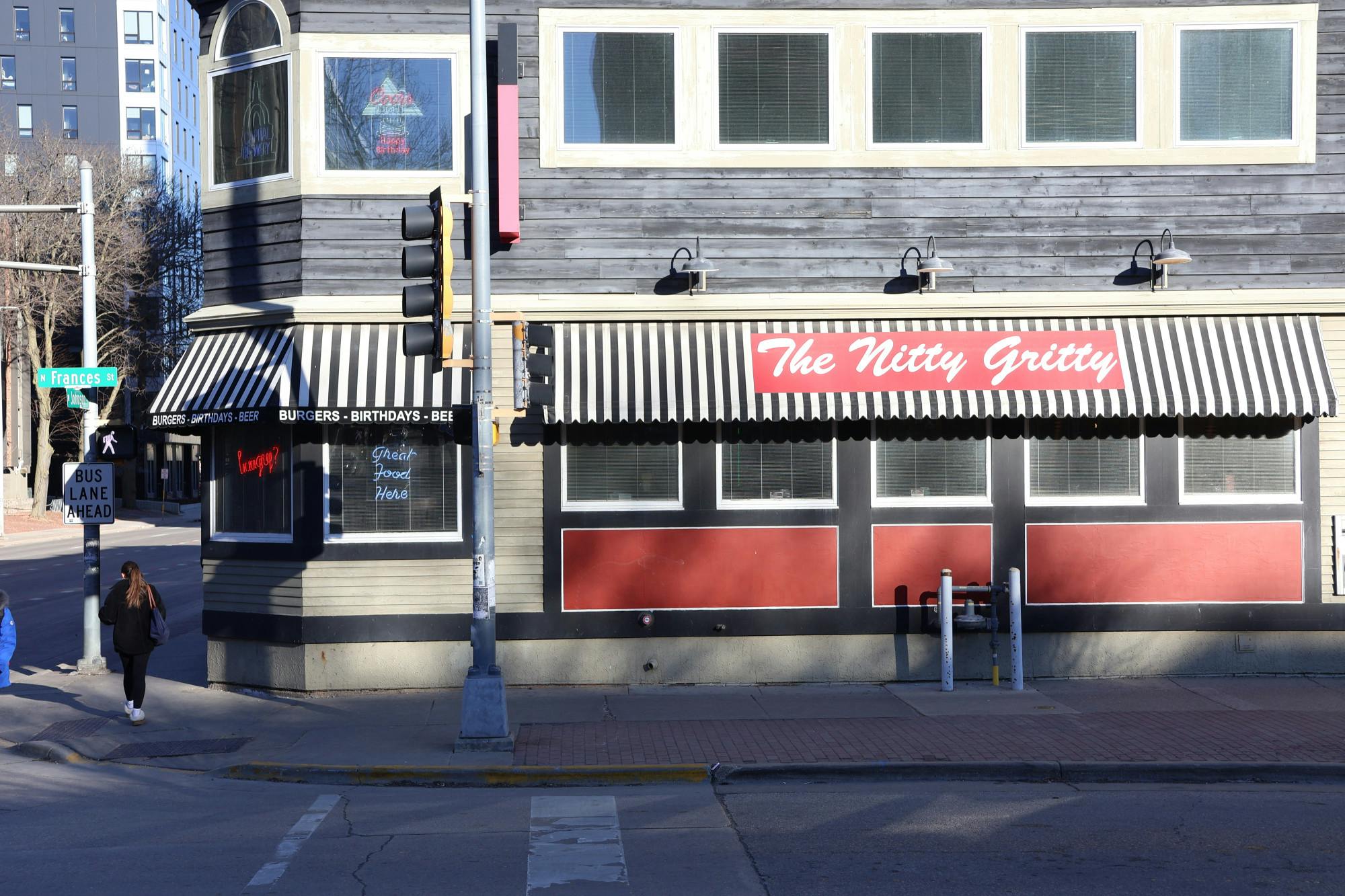
On the evening of Jan. 30, 2025, Sanchez met her cousin and two friends at the Nitty Gritty around 10:00 p.m. for milkshakes and burgers. While they were dining, the iconic Madison restaurant became the site of a highly publicized bar raid.
According to the Madison Police Department’s incident report, officers cited 206 underage patrons that night for offenses including possession of fake IDs, alcohol consumption and admitting to using the establishment as a bar.
Sanchez and her friends, however, said they had not been drinking, did not possess fake IDs and were not using the restaurant as a bar. Thus, when police arrived, the girls did not think they were at risk of being cited.
Despite explaining their situation to an officer, Sanchez told The Daily Cardinal her account was dismissed. She and her friends were told to re-enter the line of patrons if they insisted they had done nothing wrong. After being patted down and found with no incriminating evidence, each was still issued a citation of nearly $400 for being inside during bar hours.
Eyewitness angles
Wisconsin state guidelines allow underage individuals to enter licensed premises if they are “entering to buy food in a restaurant whose ‘principal business’ is serving food.” According to Karl Kunicki, a University of Wisconsin-Madison senior and shift lead at the Nitty Gritty who was working the door that night, the restaurant was still operating primarily as a dining establishment when police arrived around 11:40 p.m.
“If you want food and it’s 11:30 p.m., we’ll still serve you, even if you don’t have an ID,” Kunicki said. “Because we’re a restaurant first.”
The kitchen closes at midnight, Kunicki explained, after which the establishment functions primarily as a bar. At any time, patrons wishing to use the space as a bar must present valid identification.
Former Nitty Gritty bartender Amanda Miller was also working that night and recalled the atmosphere shifting instantly once police entered. Music cut through overlapping voices before flashing red and blue lights appeared outside. “Everything just kind of stopped,” Miller said.
Miller, a 2025 UW-Madison graduate, said the restaurant is frequently busier following winter break, with lines out the door and a noticeably younger crowd. Based on experience, she sensed a raid was bound to occur.
Miller said officers entered through the front door, announced over a microphone that no one could leave without showing identification, and blocked the exits for hours, putting students in an uncomfortable situation.
“People tried to run out the door through the kitchen,” Miller said. “I heard later that people were hiding in closets upstairs all night.”
Beyond the citation
Following Sanchez’s citation, her virtual court appearance lasted less than five minutes. The judge dismissed the case due to a lack of evidence.
Sanchez later received an email from the UW Office of Student Conduct and Community Standards incorrectly stating she had been charged with underage alcohol consumption and possession of a fake ID.
When she contacted the office, she was told nothing could be done to amend her student record at that time, even though her case had been legally dismissed.
Both Miller and Kunicki questioned the effectiveness and equity of bar raids as a method of reducing underage drinking. Kunicki argued such raids often push underage drinking into less supervised environments, increasing safety risks. Miller emphasized the disproportionate impact on students with fewer financial resources.
“People who can afford fake IDs and nights at bars can probably afford a ticket,” Miller said. “But for people on scholarship or working jobs, one citation can cost them their job, their license or thousands of dollars.”
Efforts to curb underage drinking in Madison have existed for decades, from education initiatives to ordinances like the city’s 2012 nuisance party law.
Incidents related to underage drinking are an ongoing battle for local law enforcement. Law enforcement has recently moved away from issuing excessive citations when conducting bar checks, instead emphasizing “line checks."
Yet student and local perspectives remain divided. Students at UW-Madison have viewed the university’s drinking culture as a defining, not uniquely harmful, aspect of campus life, arguing resources would be better spent on education and harm reduction.
Miller also questioned why off-campus citations appear on student conduct records, especially given that underage drinking has been decriminalized in Madison. Sanchez echoed this frustration, noting that people who were not drinking or using fake IDs were still ticketed. “It kind of defeats the whole purpose of what they’re trying to do,” she said.
Staff writer