Over one million Americans die of heart disease and cancer annually, but mortality rates have significantly decreased in recent decades thanks to life-saving treatments. However, common painful side effects from chronic treatments like beta blockers and chemotherapy create a catch-22 for living longer. The new Nathan Shock Center for aging research aims to obviate trade-offs between medical side effects and life extension by researching the biology of healthy aging.
“We don’t have the fountain of youth— nobody ever found it,” said Dudley Lamming, co-director of the Wisconsin Nathan Shock Center (WiNSC) and professor of medicine at the University of Wisconsin-Madison, “but can we find ways [to] get to the end of our lives, still fit and functional?”
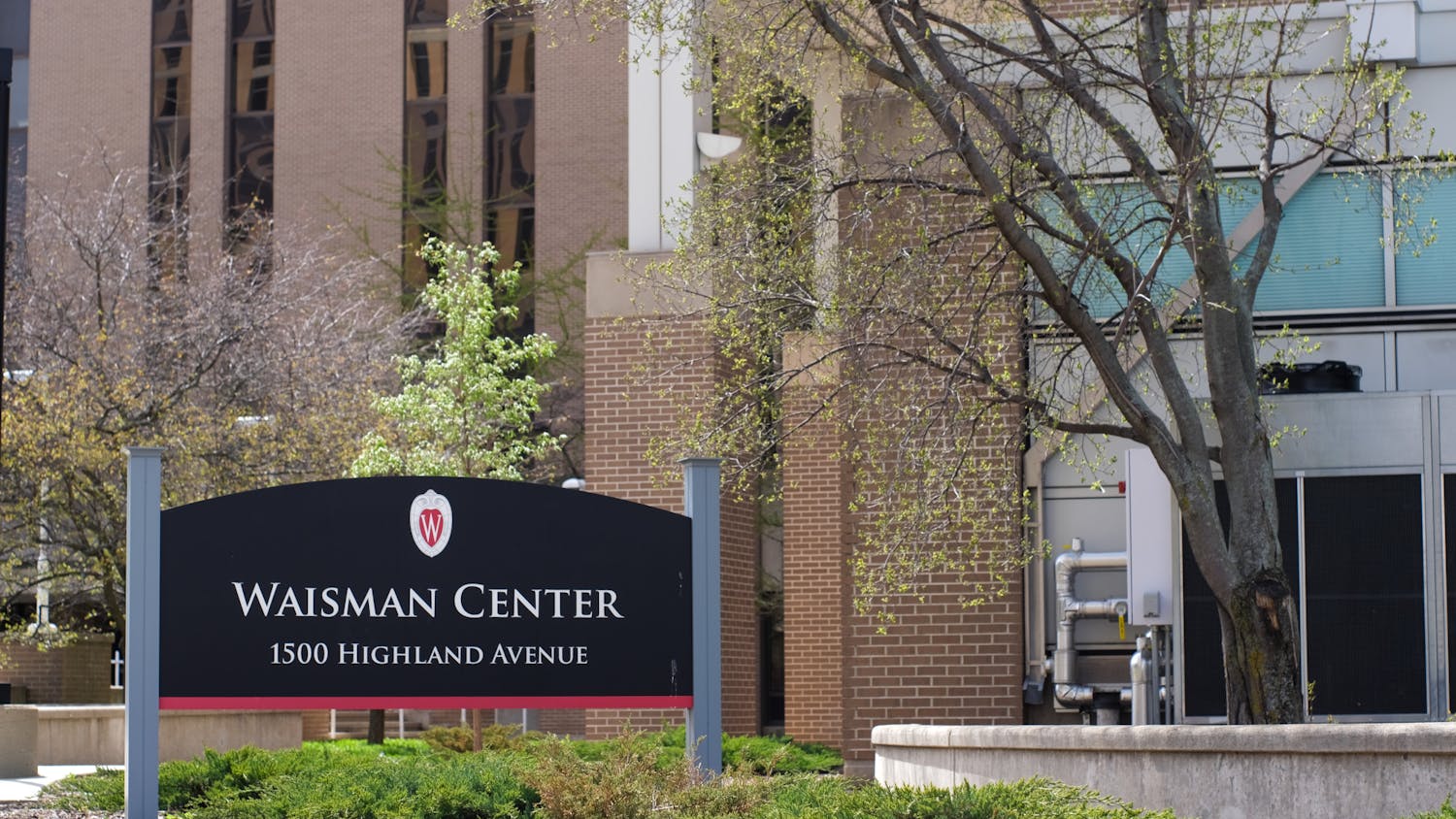
The Nathan Shock centers, eight multidisciplinary national centers funded by the NIA to foster collaboration and innovation in aging research, are funded to reduce the incidence of age-associated maladies. WiNSC, led by director Rozalyn Anderson and co-director Lamming — professors of medicine at UW-Madison — as well as biomolecular chemistry professor John Denu, will zero in on the role of metabolism in ailments exacerbated by aging like obesity and diabetes.
What is WiNSC, and why UW?
UW-Madison received a competitive grant from the National Institute on Aging (NIA) to launch the Wisconsin Nathan Shock Center (WiNSC) at the end of 2025. WiNSC is responsible for vetting and funding innovative pilot experiments, connecting researchers with cutting edge technology and experimental models and funding early career aging researchers.
“UW has a really strong infrastructure,” Lamming said. “There’s tons of resources for people to do translational research here.”
This includes the Carbone Cancer Center, the Alzheimer’s Disease Research Center, the Wisconsin National Primate Research Center and the Institute for Clinical and Translational Research.
UW-Madison ranks fifth in research expenditures in the US. Nearly half of those expenditures are awards granted by federal funding agencies, including the grant that launched WiNSC. The center is also supported by matching funds from the School of Medicine and Public Health, the vice chancellor’s office, the Morgridge Institute and the Department of Medicine, Lamming said.
Lamming was part of the team when they secured the Nathan Shock Center funding in 2025, currently totaling $6.3 million, and has been a faculty member since 2014, the year the team began applying for the grant.
“I've been interested in the biology of aging for a really long time,” Lamming said. “A decent portion of my research is looking at diabetes and obesity as diseases of aging.”
The link between metabolism and aging
Co-director John Denu studies sirtuins, key genetic players that regulate metabolism and aging. The sirtuin gene family is conserved in all kingdoms of life. Sirtuins promote health by repairing damaged DNA and calorie restriction is thought to increase sirtuin activity. Rodents with sirtuin deficiencies exhibit premature aging.
“Metabolism is key in aging,” Lamming said. “When you restrict the number of calories an animal is consuming…you get animals that live longer and healthier lives…and it works [across] the evolutionary scale.”
WiNSC research will look for solutions for lengthening the period of ‘healthy living’ in a typical lifespan — or conversely, reducing the average number of end-of-life years requiring intensive care. “Age is the greatest risk factor for a majority of [top causes of death] in the United States,” Lamming said. “The goal overall is to compress the period of morbidity that older adults experience where they become… incapable of performing activities of daily living.”
While many life-extending procedures have been developed in recent decades, treatments like beta-blockers and chemotherapy have significant side effects. Lamming said genetics, diet, and exercise should not be discounted from the complete equation of healthy aging. WiNSC will study the “pathways and mechanisms” of aging metabolisms with the hope of identifying new therapies, Lamming said.
“The fact of the matter is we're getting closer and closer to the point where interventions will be able to promote healthier life, keep people fit, and vastly reduce healthcare costs, [most of] which are consumed during the end of your life when you need a lot of intensive medical care,” Lamming said.