Dolly Parton’s passing has sent America into mourning, all across the political spectrum. President Trump ordered flags to be flown at half-staff for a week, while Sen. Bernie Sanders praised her for her support of the LGBTQ+ community and her philanthropy supporting public health and childhood literacy.
Many commentators have celebrated the widespread unity seen in remembering her legacy, highlighting her avoidance of taking political stances.
To a certain degree, this is true. Dolly turned down numerous presidential honors and avoided answering any questions regarding her partisan identity. So she may have been nonpartisan, but she was certainly not apolitical. The themes of her music, the causes she supported and simply her entire persona were inherently political.
Her signature anthem, “9 to 5,” discusses worker exploitation and gender inequality in the workplace. She sings, “They let you dream just to watch ‘em shatter / You’re just a step on the bossman’s ladder,” emphasizing corrupt corporate structures and the hardships women face to advance in their careers. In the chorus, she remarks, “Barely gettin’ by, it’s all takin’ and no given’,” highlighting the greed of elites on the backs of the working class, from which Dolly grew up.
In her lifetime, Dolly earned the status of “gay icon” through her support for the LGBTQ+ community, marriage equality and transgender rights. Years before the Supreme Court ruling establishing marriage equality in the US, she spoke in support of same-sex marriage, saying, “I think love is love and we have no control over that. I think people should be allowed to marry.”
In response to a 2016 bill from North Carolina restricting access to bathrooms for transgender people, she said, “I hope everybody gets a chance to be who and what they are,” adding, “I just know if I have to pee, I’m going to pee. I don’t care where it’s going to be.”
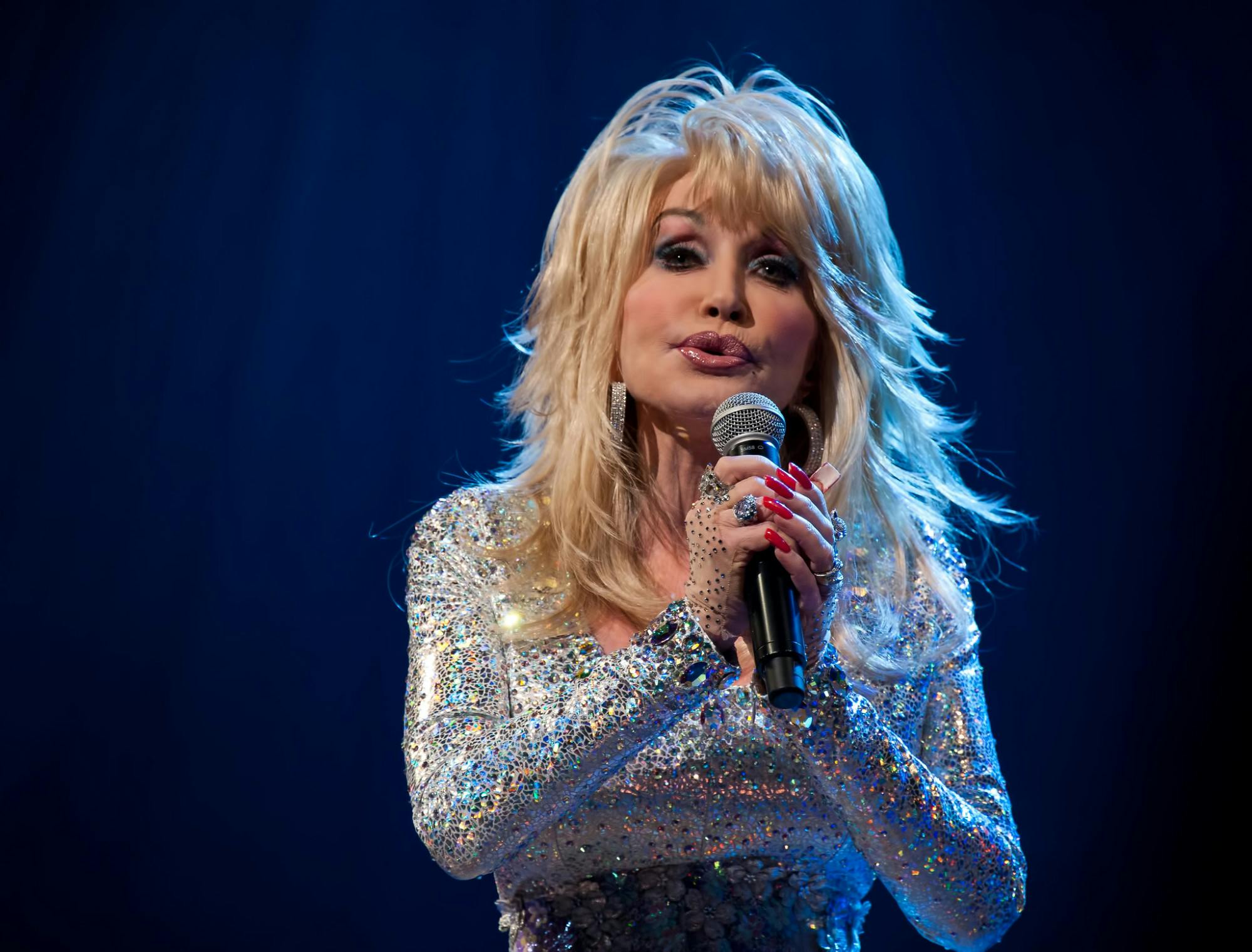
Even her public appearance pushed boundaries for what was “socially acceptable.” Since the 1980s, Dolly rocked giant wigs, extravagant makeup and nails, and was open about her plastic surgery. She famously quipped, “If I hadn’t been a woman, I’d have been a drag queen.”
Dolly was far ahead of her time on these social issues and neutralized some of the rhetoric meant to harm LGBTQ individuals. Through her charm and warmth, she made stances once seen as radical palatable to Americans regardless of political identification.
Through her philanthropic efforts, Dolly championed numerous politicized causes while avoiding much controversy or backlash. In 2020, she donated $1 million towards research for the Moderna coronavirus vaccine at a time when vaccine skepticism and outright refusal were rampant in right-wing circles.
Similarly, as right-wing groups push for book bannings and parental control over what children can read in schools, Dolly’s Imagination Library has provided families 300 million free books over 30 years, including those with themes of identity and race.
One mother of children in the program described, “Whether it was about same-sex families or just different types of families, things about bravery, courage, bullying, things about different identities.”
Despite all of this, Dolly seemed to transcend political polarization and garnered the love of all sorts of Americans. She did this by framing her support through empathy and compassion, rather than partisan leanings. She supported the LGBTQ+ community throughout her career not to simply make a statement, but to regard everyone as equals. She funded the COVID-19 vaccine not as a dig at the anti-vaxx crowd, but because she didn’t want people to die. She started the Imagination Library not to spread “woke propaganda,” but because she wanted children to read.
It feels dismissive to remember Dolly as someone who “stayed out of politics.” To boil her legacy down to that of simply a country singer ignores her activism, philanthropy and desire to make the world a more just place. Dolly spoke out when she saw harm in the world. She used her platform to humanize people who were unfairly treated in society.
She was incredibly intentional with what she spoke out on and how she did it. Perhaps she is remembered as being “apolitical” just because she did politics well. By avoiding partisan labels, she made her beliefs accessible to everyone.
Dolly led a politics of kindness over division and charity over greed. Rather than preaching her political beliefs, Dolly lived them.