For many University of Wisconsin-Madison students, state politics can feel distant from everyday life. It’s easy to see all of this as a separate entity from state politics, but it is not.
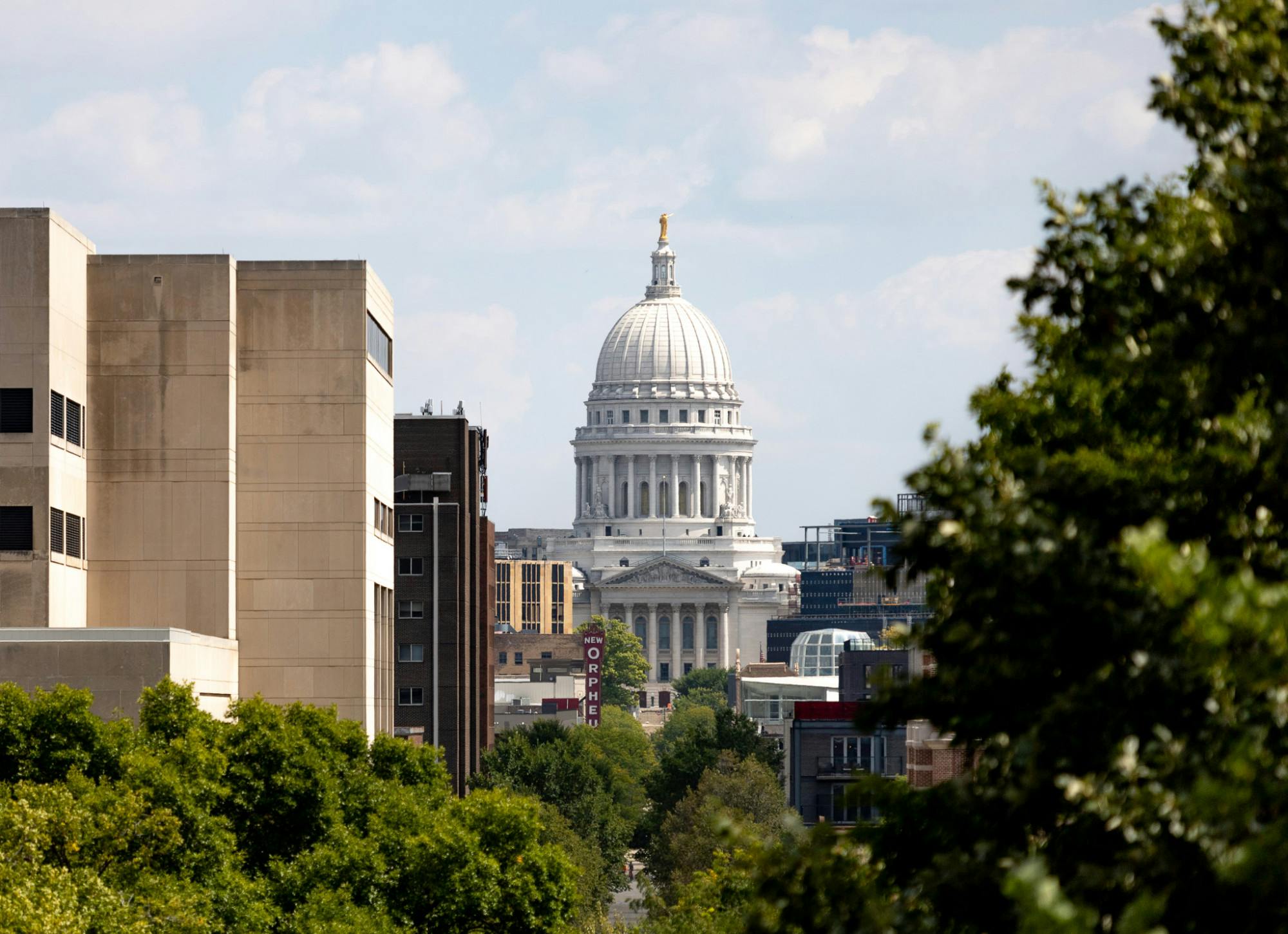
The Wisconsin State Capitol building is only a few blocks away from campus, but the policies and decisions made inside seem far removed from the classroom, residence hall or student org meeting.
They are not.
In reality, students are the ones who pay tuition, rely on university resources and attend a public institution whose leadership, finances and policies are deeply connected to the state government. Understanding that relationship is part of understanding the institution students have chosen to attend.
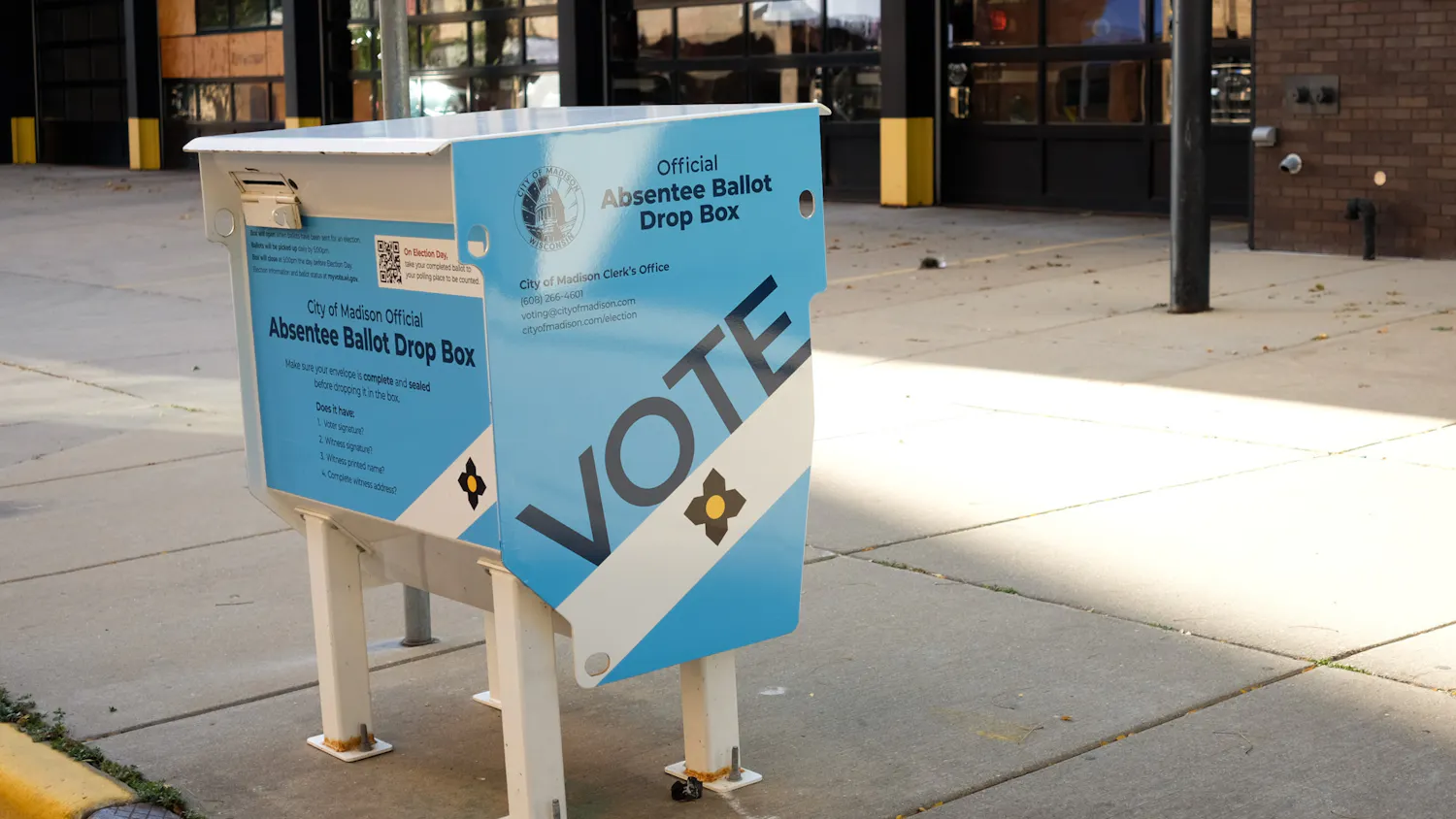
State politics, like the upcoming gubernatorial election, can easily become another event students participate in, but don’t fully comprehend. It’s easy to see it as another set of campaign ads to scroll past or another box to check on a ballot.
But engaging in local politics isn’t just a civic duty, rather a responsibility to understand what the offices on the ballot actually control and how those decisions can affect the institutions and communities around us.
The idea isn’t just to vote for the sake of voting. It’s to inform yourself and make a knowledgeable choice about what is best for you, your community, your education and, on some scale, what comes after it.
UW-Madison students cannot afford to treat the Wisconsin state government as a distant issue when they play a direct role in determining how the university functions, is governed and led.
As UW-Madison students, that starts with understanding the governor's role in the University of Wisconsin System.
The UW system is governed by an 18-member Board of Regents. Sixteen are appointed by the governor and subject to confirmation by the state Senate, including 14 members who serve staggered seven-year terms and two student members serve ex officio. The Board establishes rules and policies across the entire system, reviews and approves their budgets and sets admission policies. They also appoint the UW system president and chancellors of its 13 universities.
That means the governor does not directly run UW-Madison, but does have a role in determining who governs the UW System and, ultimately, who leads their universities.
Given student’s previous criticism of former Chancellor Jennifer Mnookin, students have even more reason to understand where candidates stand on higher education. Knowing their positions allows students to make their voices heard and better understand the priorities that will eventually shape university leadership.
The people who lead UW-Madison ultimately have a huge, direct impact on the student body, making it essential that students pay attention to the political decisions that help determine who holds those positions.
That distinction is important to understand before voting this November.
It is also important because the state government plays a significant role in determining the financial environment in which the UW System operates.
The UW System’s annual operating budget is based on the state’s biennial budget signed by the governor and subsequently approved by the Board of Regents.
The connection is difficult to ignore this year because in August, the Board approved a 2027-2029 operating budget, a $730 million request including a proposed four-year tuition pledge if the state provides $190 million to support the freeze and other operating needs.
That request is now before the state for consideration by the governor and Legislature.
Issues spanning across all fields of importance such as tuition, university funding, leadership and academic priorities. These are not issues that stop at the Capitol doors. They eventually make their way into the universities themselves.
Despite this, state politics routinely receive less attention from students than national politics. This is because of an underlying disparity between what we perceive as important vs what actually is.
It’s hard to idealize state politics as being important especially as an out-of-state student. However, it’s necessary to understand the systems that shape those lives before the consequences become obvious.
Looking beyond names on the ballot, focus on what the office actually controls. What authority does the governor have over the UW system? What are their views on higher education and how would that impact you?
Realizing who appoints the people making decisions and the role of the Legislature in determining the university's financial environment can make voting for a candidate more desirable.
These questions are not partisan, they’re informational.
The responsibility to understand this extends beyond individual voters. It belongs to the institutions that educate them and, especially, to student journalism.
Translating the complicated structures of state government into something students can easily consume is the goal. It means explaining the difference between the authority of the governor, Legislature and Board of Regents when that context is necessary. It also requires us to examine candidates’ records and proposals without turning coverage into a campaign for or against anyone.
Most importantly, it means recognizing that the lack of national attention does not make state politics any less relevant to our lives.
UW-Madison students are members of a public institution. The Wisconsin Idea reflects the university’s relationship with the state and the public body it serves. The university is not an isolated campus operating separately from the state of Wisconsin. Instead, it sits in the center of the state capitol and is part of a public system whose leadership and finances are merged with state government.
The upcoming governor election is an opportunity for students to examine how that office intersects with one of the largest public universities in the nation and one where they spend their time, money and next several years of their life.
Students should not wait until a decision reaches their classroom, tuition bill or doorstep before realizing state politics matter.
State government is a part of campus life whether we pay attention to it or not. The least we can do is understand the system we are participating in and take our responsibility as voters seriously.