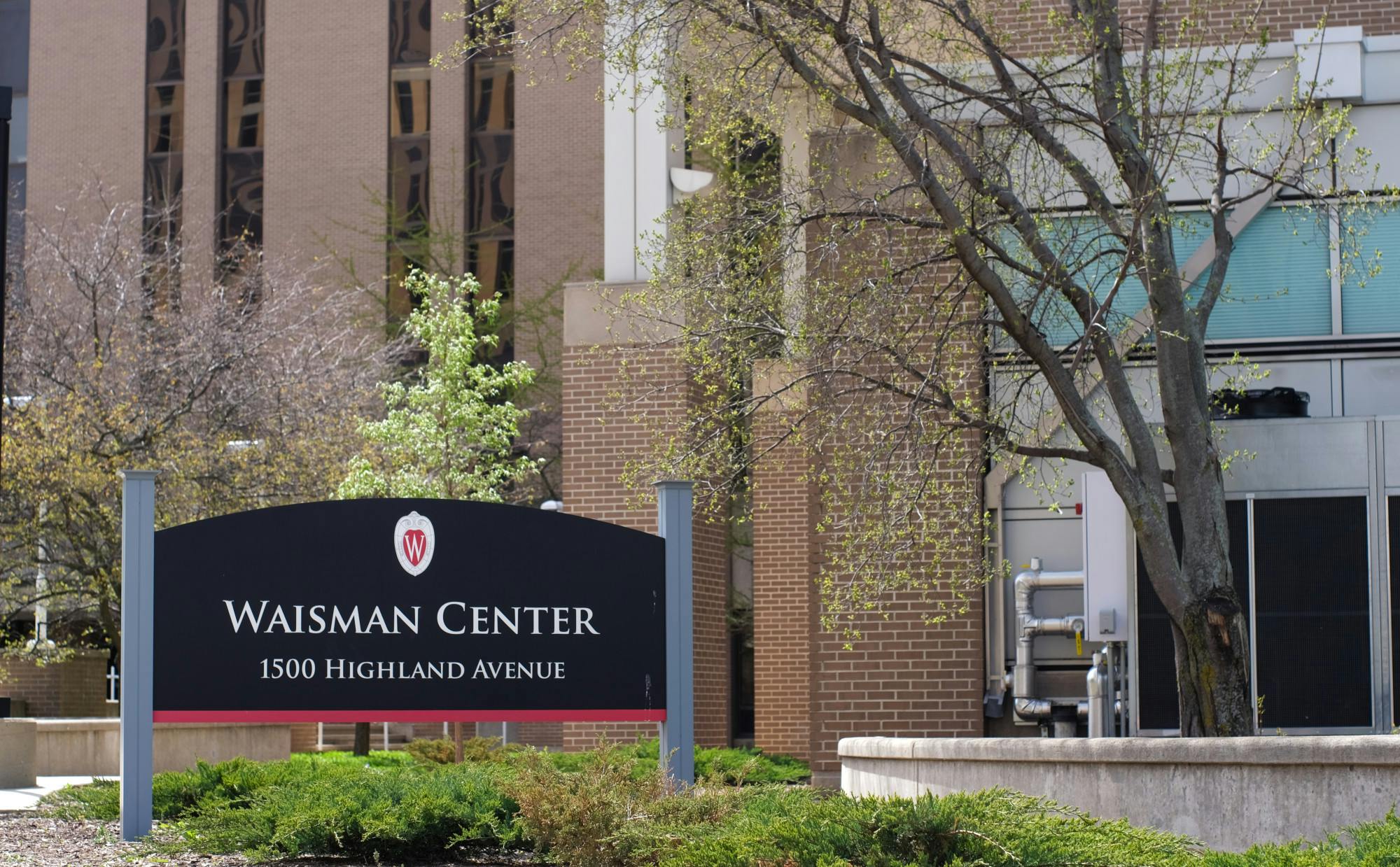
The Waisman Center is launching the Adult Autism Program, a new resource for autistic adults in Wisconsin. The program will launch its first two pilot groups in November and aims to bridge a longstanding gap in care for autistic individuals after adolescence.
The Adult Autism Program was developed by The Waisman Center’s University Center for Excellence in Developmental Disabilities at The University of Wisconsin-Madison. It offers individual, group and family services to help autistic adults identify goals and build individually tailored strategies to achieve them. It offers services starting at age 18 and has no age cap.
“An autistic person tells us: here are the things I need to make my life better, and then we work in a partnership to figure out how we will do that,” Madeline Barger, Director of the Adult Autism Program and behavioral therapist specializing in autism in adults, told The Daily Cardinal.
The program will offer three types of services: group services, individual/family services and family navigation services, according to Barger.
Group services let participants meet in groups with others who share similar goals, ages and developmental levels to work collaboratively to build chosen life skills.
Individual services aren’t limited to one-on-one counseling. Because autistic individuals may live with their families longer than others, or rely on different support systems than their peers, Barger said the Adult Autism program adapts to each person's ideal version of individual care, whether that’s individual, couple- or family-based.
“We're trying to develop a model where people can dictate what their individual looks like,” Barger said.
Family navigation will connect individuals with community services such as primary care, dental and mental health services, according to Barger. Waisman Center social workers will find community resources needed to make those connections.
“We are just very small and new, and so we aren't the only answer,” Barger said. “Our whole mission is to make there be lots of doors that open for this population.”
Mental health support runs through all three service areas. Barger attributes increased mental health struggles among autistic individuals to inaccessible environments and discrimination. According to Research in Autism, an estimated 37% and 42% of autistic people will experience depression and anxiety, respectively, within their lifetime, compared to 25% of non-autistic people who will experience poor mental health in their lifetime.
“We're not looking at treating or curing or reducing autism symptoms. Those are not the issue,” Barger said. “The issue is the external world that will produce mental health challenges.”
These mental health struggles are augmented in autistic individuals during the transition from adolescence to adulthood, Barger said. The public education system offers structure and resources in adolescence, but once autistic individuals age out of public education, few alternatives exist, according to Barger.
“We get depression and anxiety in really high rates because somebody's structure goes away,” Barger said. “They have a neurodevelopmental difference where structure is really important, and routine can be really important, and then it's gone.”
Barger called the lack of resources after adolescence a “service cliff.” Part of this disparity stems from misconceptions about neuroplasticity, as insurance providers may be reluctant to fund care because they believe individuals cannot change after a certain age.
“We understand now much differently than we did a long time ago that people can change and learn and feel better and improve their quality of life across their lifespan,” Barger said. “It's not just something where you have to learn everything by the time you're done with high school.”
A gap in mental health provider training increases the problem. Many clinicians are not trained in treating autistic clients, according to Barger.
“It is something that they have to really pursue individually,” Barger said. “There are many excellent clinicians out there, but they might think that they aren't able to adapt to do neurodiversity affirming care.”
The Waisman Center ran Project ECHO: Adult Mental Health, a statewide, several-week training where Barger and other experts in adult autism and mental health offered free continuing education to clinicians on adult autism care.
The Adult Autism Program will utilize a sliding scale fee structure with plans to explore additional funding options in the future.
The program will also offer telehealth and hybrid services for individuals who may face barriers to accessing in-person care or who would prefer an online model, according to Barger.
“We don't want it to just be Dane County, an area that's considered maybe resource-rich,” Barger said. “We want it to be the whole state.”