Wisconsin state tax revenue was higher than expected for the previous fiscal year, resulting in almost a $3 billion surplus for the 2025-27 biennium.
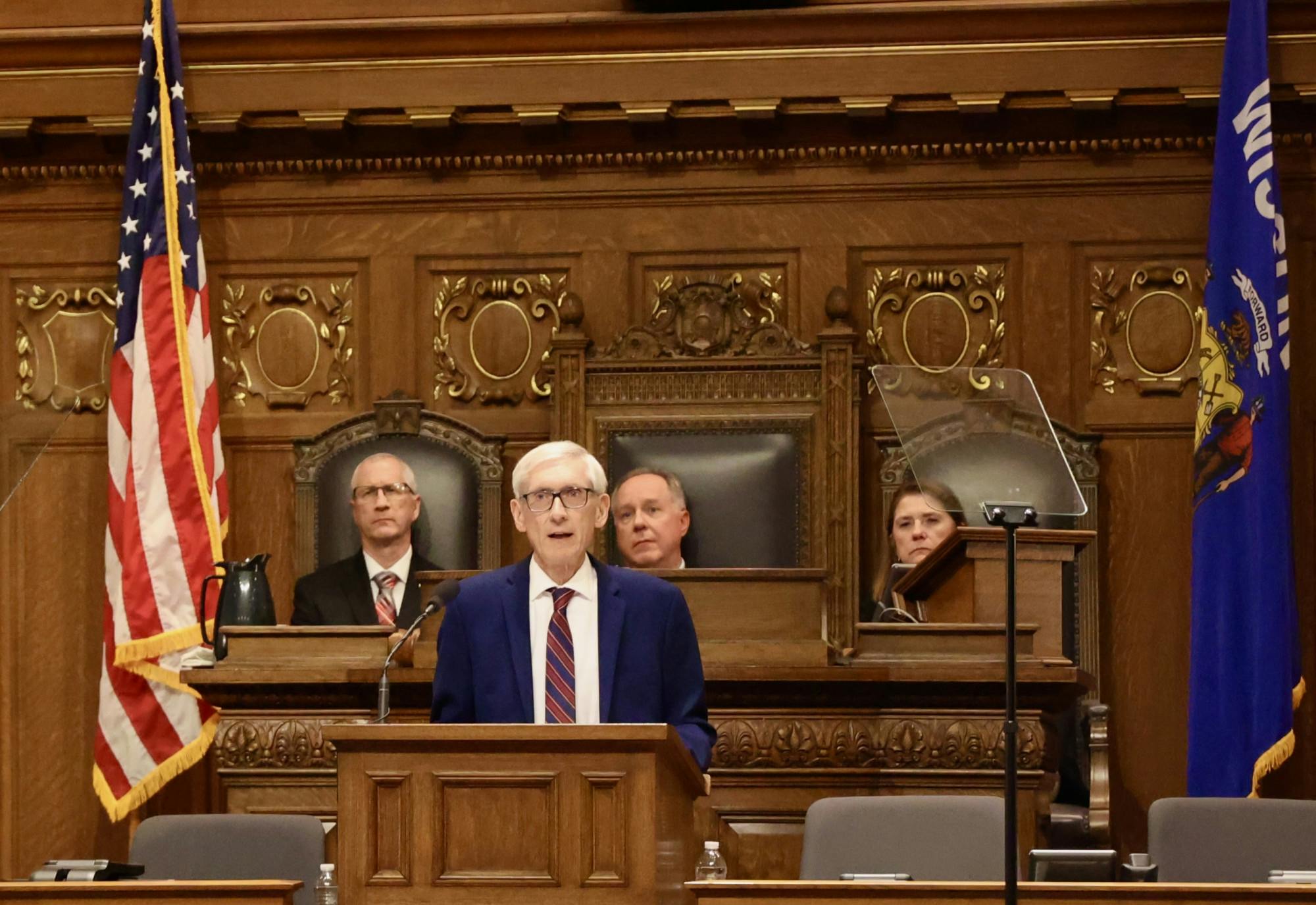
Gov. Tony Evers and Republican legislative leaders developed a $1.8 billion dollar spending agreement, but it failed to pass in May.
“In the stalemate between the parties, the surplus just continues to build without really benefiting taxpayers or the or the government in any way directly,” University of Wisconsin-Madison Professor of political science Barry Burden told The Daily Cardinal.
The deal failed after an analysis by the Legislature's nonpartisan budget office found it would have created a $2.9 billion deficit at the end of the 2027-29 biennium.
Sen. Kelda Roys, D-Madison, who voted against the proposal, spoke with the Cardinal in June about the failed spending agreement. She voiced her concerns for passing legislation that would spend money not guaranteed in the next budget cycle.
The surplus has increased by over half of a billion dollars in the past few months, but Roys is firm in her stance.
“I still believe that we need to focus on meeting state's needs before we start giving money away, particularly money that is skewed away from those needed and more towards those who act,” Roys told the Cardinal.
Despite the June bipartisan legislation failure, the proposal was found to be widely popular with Wisconsinites. According to a Marquette Law School Poll, 80% of Wisconsinites think the legislature should have passed the deal.
“It's easy to understand why the public would find it appealing. It was going to lower their income taxes and give their schools more money,” Burden said. “Republicans and Democrats in the survey and independents all thought this sounded like a good deal, but that way of thinking about things is not the same way that legislators have to think about proposals.”
Burden said polls can reflect popularity in certain situations, but public popularity does not take into account the “complications of fiscal policy.”
“The Trump administration is wreaking absolute havoc on our economy and on people's finances, and we cannot leave the state in the following decision, that is incredibly irresponsible,” Roys said.
The deal was negotiated by three lame-ducks — Evers, Assembly Speaker Robin Vos, R-Rochester and Senate Majority Leader Devin LeMahieu, R-Oostburg — who are all on their way out of office. Burden attributes this to part of why the deal failed to pass.
Vos made comments in June calling for another vote on the legislation, but the Legislature is out of session until January 2027.
“[The money] is going to be in the hands of a new set of elected officials, a new governor, new leaders in both chambers, maybe new party control in one or both chambers. Democrats are hoping to win back and maybe get a trifecta. So there are a lot of possibilities in terms of who will be in charge of this process,” Burden said.
Senior staff writer