A federal push to accelerate psychedelic drug research is reshaping mental health studies at the University of Wisconsin-Madison, where a university-affiliated institute recently secured a fast track for clinical trials as federal officials scrutinize commonly prescribed antidepressants.
The U.S. Department of Health and Human Services (HHS), led by Robert F. Kennedy Jr., announced plans on May 4 to curb prescriptions of selective serotonin reuptake inhibitors (SSRIs) — medications such as Lexapro, Zoloft and Prozac that are among the most commonly prescribed depression drugs. At the same time, federal officials announced a voucher program designed to help speed up psychedelic research. The Usona Institute, a UW-Madison affiliate based in Madison, is one of three companies nationwide selected for the voucher that reduces their research review process by up to nine months.
Overprescription and lack of efficacy are common criticisms of SSRIs, with psychedelics serving as a potential alternative depression drug to be used alongside existing medications. The future likely has both in it. Currently, around 17% of college students are prescribed psychiatric medication, according to a 2023 study by the National Library of Medicine.
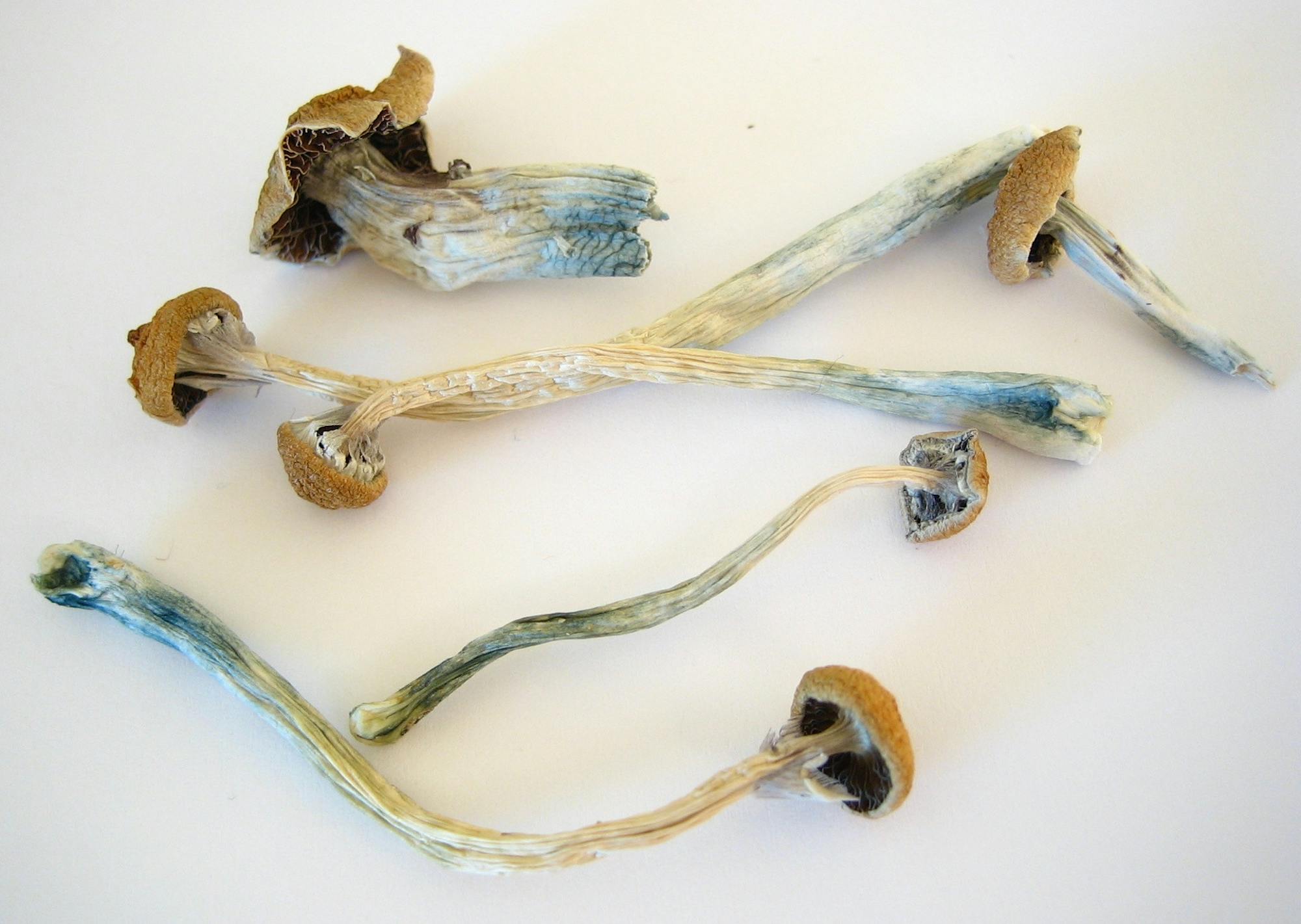
Psychedelics — drugs best known for causing “tripping” effects like visual hallucinations and an altered state of consciousness — have drawn recent scientific attention for their potential to treat depression, anxiety and post-traumatic distress disorder. Unlike opioids or stimulants, these drugs are not typically considered addictive, and have had recent promising results for mental health treatment.
Recent studies suggest psychedelics perform equally as well as SSRIs, but also require a risk evaluation strategy by medical professionals to determine when to use them. This risk mitigation strategy does not apply to existing antidepressants.
Charles Raison, Director of Clinical and Translational Research for Usona Institute, is the principal investigator for the Raison Lab at UW-Madison, which has studied psychedelics, particularly psilocybin — the active ingredient in hallucinogenic mushrooms — since 2015.
“They went from being these stigmatized agents, almost overnight to.. [people thinking] this is a miracle cure for every mental disorder,” Raison said to WPR. “Of course, that’s not true.”
The Raison Lab researches how psychoactive drugs can be administered to minimize side effects like “tripping”, specifically for antidepressant treatment. If tripping is required for a drug to work, it requires medical supervision for eight hours. But if the hallucinogenic effects could be avoided, psychedelic treatment could be a cheaper option.
Despite the voucher, UW-Madison’s psychedelic research is still privately funded.
Psychedelics research labs have transitioned from primarily relying on private institutes for funding, which can be hard to maintain, to being actively sought out and funded by the government. Early studies often overestimate the benefits of drugs and psychedelics are no exception. The FDA remains cautious during early stages.
Before practitioners can even consider using psychedelics as a common prescription, much more research is needed. The Raison lab is still looking for undergraduates to take psilocybin to help these studies. There are many steps required before doctors can determine if psychedelics are truly the next step in mental health recovery, and the recent FDA push is putting these drugs and Madison on trial in front of the world.