The Division I Board of Directors proposed a new eligibility rule in April that could significantly reshape college athletics, including the developmental pipeline that Wisconsin men’s hockey has relied on for decades.
Known as the “5-in-5” rule, the proposal would set a five-year play time limit on athletes that begin the regular academic year after they turn 19 or when they graduate from high school — whichever happens earlier. If approved, the board said the model could take effect as early as fall 2027.
The proposed model would replace the current eligibility structure with a single national standard, and effort officials say reflects the changing landscape of college athletics and responds to growing challenges over eligibility.
The proposal comes after an increase in lawsuits challenging eligibility decisions. High-profile cases, including the 2026 lawsuit involving quarterback Trinidad Chambliss, have highlighted the need for a consistent eligibility rule. Chambliss sued the NCAA after it denied his request for an additional year of eligibility. Chambliss argued that a respiratory condition he had in 2022 would have qualified him for a medical redshirt. Chambliss won his lawsuit, clearing him to play a sixth year at Ole Miss.
Numerous other athletes have filed similar lawsuits against the NCAA, hoping to extend their college career and continue gaining income through name, image and likeness deals. Enforcing the five-year model would prevent athletes from filing lawsuits to gain an extra year of eligibility.
Waivers would no longer be able to extend eligibility except for pregnancy, religious missions or active-duty military service. The proposal would not allow sport-specific exceptions or grace periods. It would reduce traditional redshirting, which many Big Ten schools, including Wisconsin, rely heavily on.
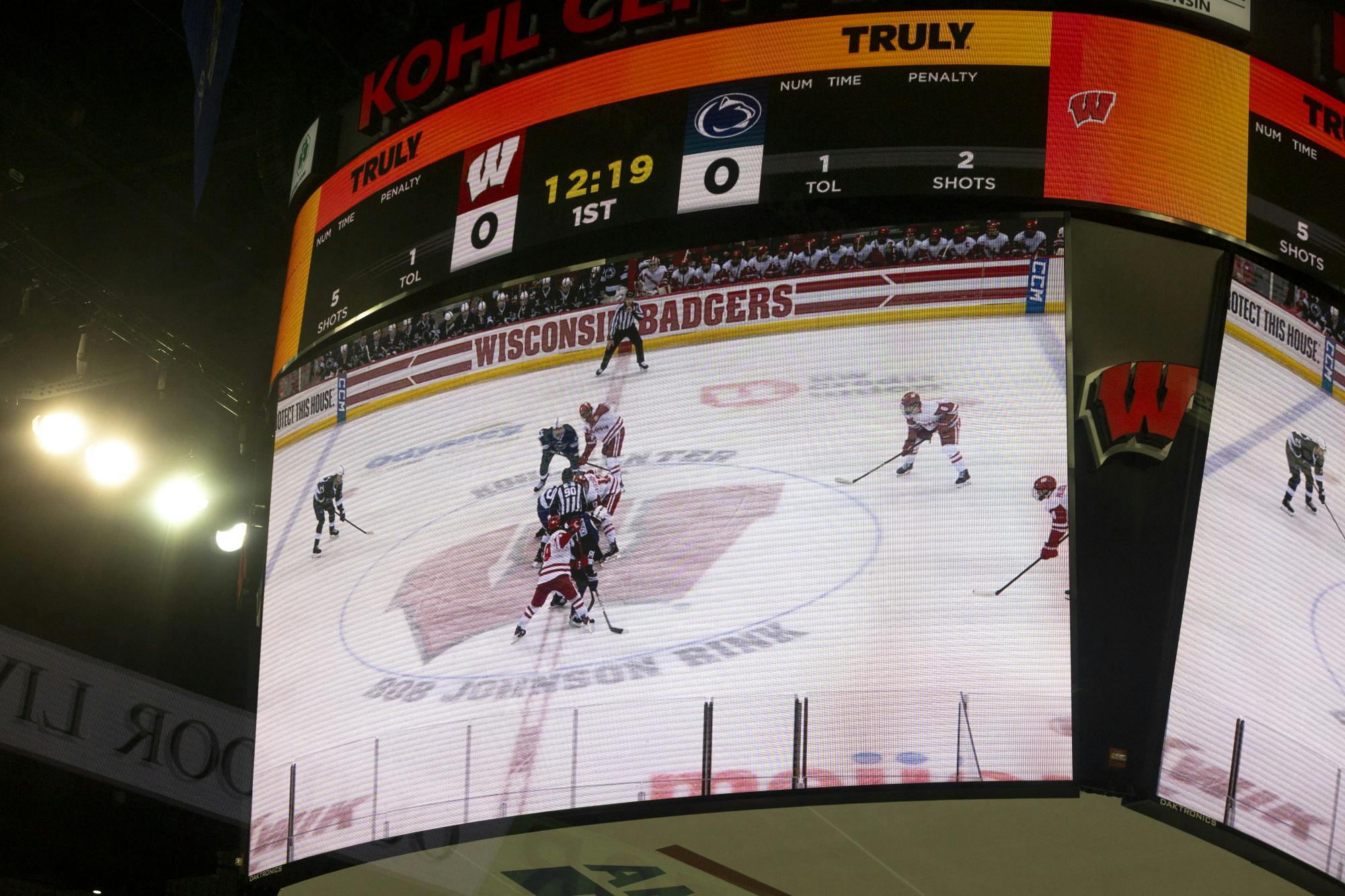
The University of Wisconsin Athletic Board proposed the new rule during their June 3 meeting. The board discussed how the proposed model would affect men’s hockey players, whose developmental systems are vastly different from other college athletes. If implemented, the model could reduce flexibility in player development.
Under the current model, coaches are able to “redshirt” a freshman, allowing players additional time to develop and adjust to the college game without using a year of eligibility. If the proposed model is adopted, that flexibility would be reduced, forcing coaches to prioritize recruiting college-ready athletes.
Unlike most other collegiate athletes, men’s hockey players often spend several years competing at the junior level after high school before enrolling in college. Most junior players play in the United States Hockey League (USHL), North American Hockey League (NAHL) or Canadian junior leagues, like the Ontario Hockey League (OHL) and the Western Hockey League (WHL).
The NHL and NHLPA have made statements about the model and are against it.
“We’re not in favor of the change, and we’ve made the NCAA aware of it,” NHL Deputy Commissioner Bill Daly said.
Six players who will be joining the Badgers in the 2026-27 season previously played in the USHL, and almost every other player on the roster also played at the junior level.
Associate Athletic Director for Governance and Regulatory Affairs Dan Rohrer questioned creating exceptions for men’s hockey during the meeting.
“Once you start making exceptions for one sport or two sports, where does it stop?” Rohrer said.
Now, the tension between maintaining a uniform rule and accommodating one of the university’s strongest sports programs developmental model, has become one of the biggest unresolved questions surrounding the proposal and a key discussion point of the Wisconsin Athletic Board.
Board members noted the nuances in college athletics. Some sports rely more heavily on international recruits and follow different developmental pathways.
“Everyone has unique circumstances, and so that, again, is the continuing debate of how do we look at individual situations versus one national standard that tries to manage all of this,” Rohrer said.
Outside of hockey, the proposal would change how coaches manage rosters, allocate scholarships and retain athletes for all UW-Madison sports. If approved, the transition period in fall 2027 would likely present the greatest challenge, as programs adjust from four-year roster cycles to five-year cycles, according to Rohrer. That shift could create a need for additional roster spots and scholarships.
Beyond roster management, it also remains unclear if the proposed model could limit athletes' opportunities to pursue professional careers before their five-year eligibility expires. The Wisconsin board is currently monitoring and planning for the change if implemented.
Despite those uncertainties, Rohrer said the model could create new opportunities within athletics at UW-Madison.
“[It] presents a lot of opportunities and things that we can move quickly down and take advantage of, and be really competitive in that space,” Rohrer said. “But it certainly doesn’t come without its challenges either.”
As of June 5, 2026, the Cabinet modified the proposal, starting the student-athletes’ eligibility clock either upon initial full-time enrollment in college or at the start of the academic year following their 19th birthday, whichever comes first.
The modification reflects feedback from stakeholders in men’s ice hockey, men’s basketball and the U.S. national service academies.
The NCAA Division I Cabinet met May 1 and discussed potential ways to implement the model if the proposal is ultimately adopted. The Cabinet is considering a vote during its June 23-24 meeting.
The modification reflects feedback from stakeholders in men’s ice hockey, men’s basketball and the U.S. national service academies.
Staff Writer