When University of Wisconsin-Madison student Ella Stoltz was considering signing a lease with her friends just a few months into her freshman year, she planned to share her room — a personal sacrifice she believed necessary when faced with an unaffordable rent.
That fall, Stoltz applied for a House Fellow position instead, a decision she made with housing at the front of her mind.
“I think if I was going to a university that had lower tuition and more housing prices, I wouldn’t be a House Fellow,” Stoltz said.
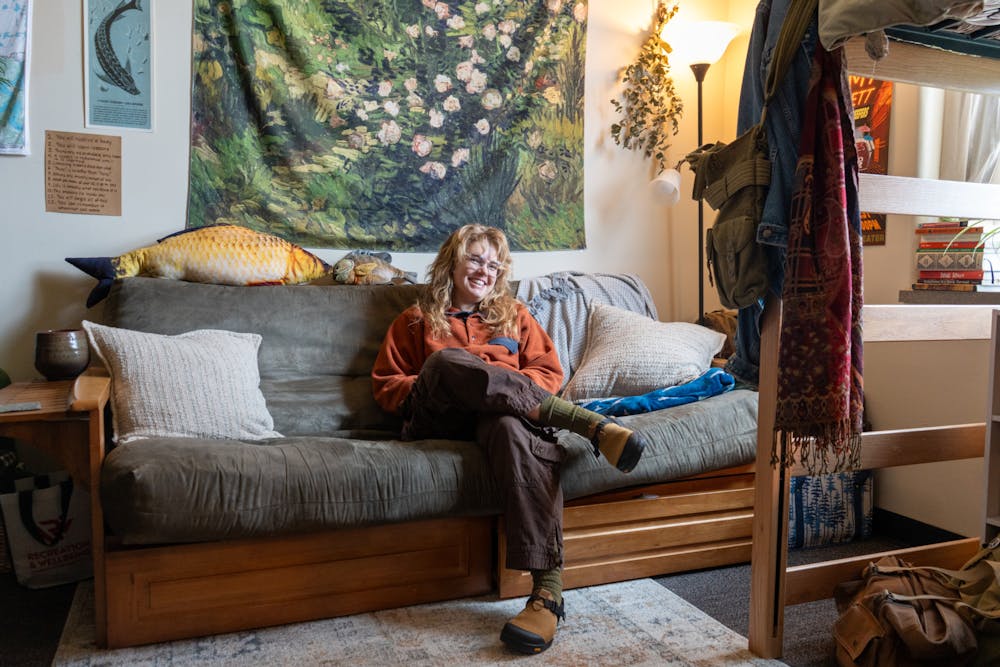
Today, Stoltz is in her third semester as a House Fellow at Dejope Residence Hall. She lives in a single room and doesn’t pay a single cent in rent.
House Fellows, better known as resident assistants, live and work in university dorms, enforcing policy and building community with their residents. UW-Madison employs about 210 House Fellows across campus every year.
For Stoltz, becoming a House Fellow was a useful alternative to navigating a Madison housing market that “never fails to enrage” her, while also receiving valuable professional development.
While Madison’s housing supply has grown rapidly in the past decade, rent has also been on the rise, according to the city’s biannual housing report. Since 2015, median monthly rent increased from $939 to $1,364 in 2025, and renter housing costs rose by 41% between 2015 and 2023.
Most UW-Madison undergrads sign leases for the next year by October or November of the previous year, according to a report from the Department of Planning and Landscape Architecture.
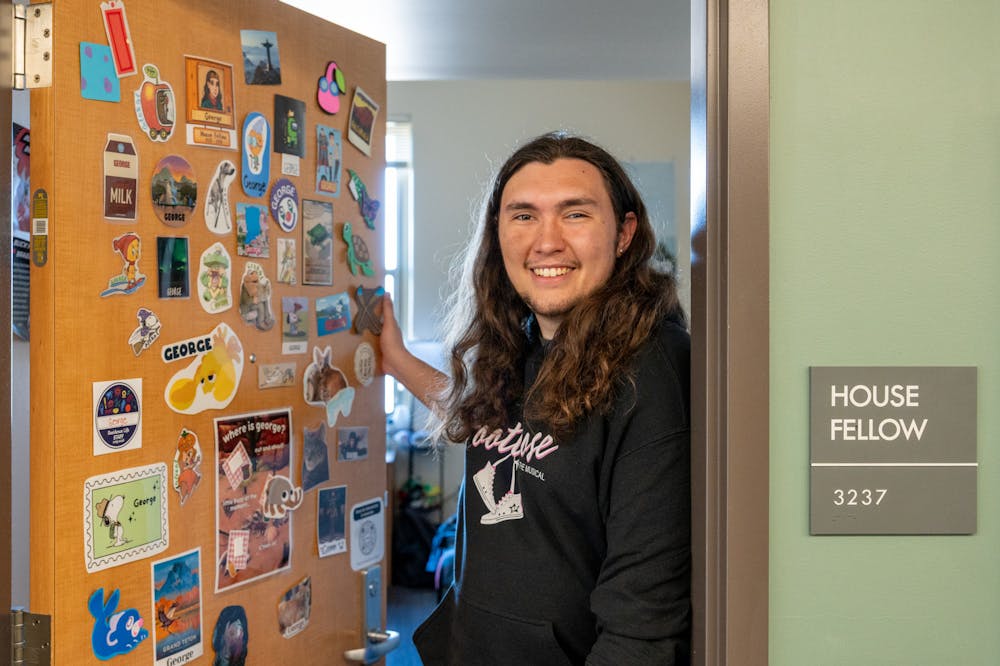
George Whitney, another Dejope House Fellow, reflected a similar sentiment. As an out-of-state student, Whitney said he felt he needed the House Fellow position in order to afford attending the university.
“I look around and compare myself to what my peers are going through in terms of rent, paying their utilities, paying their groceries, having to cook for themselves on top of everything else, and it sounds really overwhelming,” Whitney said. “The biggest draw for this job is essentially not having to worry about that.”
This year, about 530 students applied to become House Fellows. University Housing hired just 55 of them, according to statistics from University Housing spokesperson Brendon Dybdahl.
“It continues to be a very popular, competitive position,” Dybdahl said.
Because over 70% of current House Fellows chose to keep their position for next year, Dybdahl said University Housing was limited in how many new applicants they could bring in.
“I was told several times by several people that [the selection process] was extremely competitive,” Stoltz said. “I’m very, very lucky to have this position.”
Whitney called the selection process “brutal.” He was rejected on his first House Fellow application in 2023. “You see a ton of really good, qualified people just slip through the cracks,” Whitney said.
Whitney and Stoltz both emphasized the pressure House Fellow applications can put on students struggling to figure out housing for the coming year, with the deadline typically falling at the end of September.
“You have to decide within the first couple weeks of pulling up as a student in Madison if this position is something you want to apply for, because then your window closes for an entire year,” Whitney said. “There's so many people who will put off thinking about other alternative housing plans for the upcoming years…and if they don't land it, they're kind of just screwed.”
Selected students are expected to work about 20 hours a week, live by university rules and take only 15 nights away from the dorms per semester, with a nightly curfew of 2:30 a.m. As compensation for these responsibilities, they receive free housing — almost always a single room — as well as a free meal plan and a yearly stipend of $3744.40, which increases to $3926.10 after nine months in the position.
Stoltz said students don’t always consider the responsibilities of a House Fellow position when they apply. She reflected on losing out on some of the “spontaneity” her peers have, such as going on weekend trips or staying the night at a friend’s apartment, because of the limited nights away she receives and the careful planning she does at the start of each semester to use each night wisely.
“You have to be okay with this being your job as well as your housing,” Stoltz said.
Whitney believes the House Fellow role has gotten harder in the past year. In the past, House Fellows like Whitney were expected to check in with each resident twice a semester, an expectation that has since increased to twice a month. Whitney said this heavier workload has detracted from the appeal of the job.
Students return to the dorms
For students who want the familiarity and benefits of living in the dorms, but not the responsibilities and restrictions of becoming a House Fellow, returning to the dorms as a resident is another popular option.
Stoltz said her residents in Dejope are almost entirely freshmen, with no juniors or seniors and only a few sophomores. “Those people are usually wanting to avoid the housing market and wanting a familiar space to live,” she said.
UW-Madison sophomore Yazmin Pagan and her two roommates chose to return to Smith Residence Hall after their freshman year.
“We were basically still babies, freshmen…We were here for not even a full two months yet,” Pagan said. “We saw that we could live in a dorm, and we were not ready to live in an apartment. We were not grown.”
Pagan and her roommates signed up to return to the dorms the first day the applications opened in the fall. But returning to the dorms after freshman year isn’t as simple as filling out a notice of intent.
Prospective returning students are entered into a lottery system for the chance to receive a contract offer, a process that takes place in late October and November. The number of returners is capped at about 1,000 each year, with each new freshman class falling at around 8,000 students.
“The space for returners is limited to ensure that we have space to accommodate all incoming first-year students who choose to live in the residence halls, which is our main focus,” Dybdahl said.
This year, about 2,000 residents indicated interest in returning to the dorms, according to statistics from Dybdahl. He clarified that some of the selected students ultimately choose to live off-campus, opening their spots for additional students on the waitlist. This process continued until University Housing reached their capacity for returners.
“You almost just have to click and pray that you get it,” Pagan said.
Pagan said her main reasons for returning to Smith were its convenient location on campus, access to resources like House Fellows and dining halls and, of course, cost. She receives a financial aid package through the university that pays for her dorm housing.
Even for students without a financial aid package, living in the dorms only comes with a nine-month lease, which can be a cost-saver compared to the typical 12-month leases at apartments and houses.
While Pagan has enjoyed the security of the dorms this year, she said some students might prefer the independence of living in an apartment.
“I sometimes do wish I lived in an apartment,” Pagan said. “Just because when I hang out with friends, it's like, ‘Let's go to my dorm.’”
Other housing alternatives
One of the most popular housing alternatives for sophomores at UW-Madison is living in fraternity or sorority houses. While there are 60+ Greek organizations on campus, only 25 fraternities and 18 sororities actively offer housing, accommodating approximately 1,500 students.
UW-Madison junior Ava Draheim lived in the Alpha Chi Omega house all of last year. Like many UW students interested in Greek Life, Draheim came to Madison her freshman year already planning to join a sorority. Community was her biggest draw.
“You're just living with a group of like 60 of your friends, which is a lot of fun,” Draheim said.
For Draheim, another major benefit was being able to avoid the stressful housing season during the fall of her freshman year. Once she gained enough “House Points” with AXO through sorority-run events and activities to be guaranteed a spot in the sorority house for the coming year, Draheim didn’t have to worry about rushing to find housing or roommates.
“There's undoubtedly a housing crisis in Madison, and housing just is not affordable for an average college student,” she said.
Although Draheim doesn’t consider sorority housing substantially cheaper than apartment living, she said the conveniences made the experience worth it. Draheim said she paid about $850 per month for room and board last year, which included utilities and three meals a day prepared by a chef Monday through Friday, with brunch and dinner offered on Sunday. The sorority also hired cleaning staff for common areas in the house.
“The transition from living at home to going to college, I feel like can be really, really hard for a lot of people,” Draheim said. “And so being able to live in a space with so many different people that you can talk to at any point of the day and somewhere where you are getting your meals cooked for you, and you don't really have to worry about cleaning and things like that can be super helpful while you're still transitioning.”
But Draheim said only a little over half of the freshmen in her AXO class were given a spot in the house for their sophomore year due to limited availability.
Draheim enjoyed the fun and welcoming environment of the AXO sorority house last year, although she said others might prefer housing with more privacy and freedom.
Like many fraternity and sorority houses, AXO has an assigned House Mom, a live-in manager responsible for overseeing maintenance and safety for residents. Draheim’s House Mom enforced sorority policies, such as quiet hours and keeping alcohol out of the building for underage students.
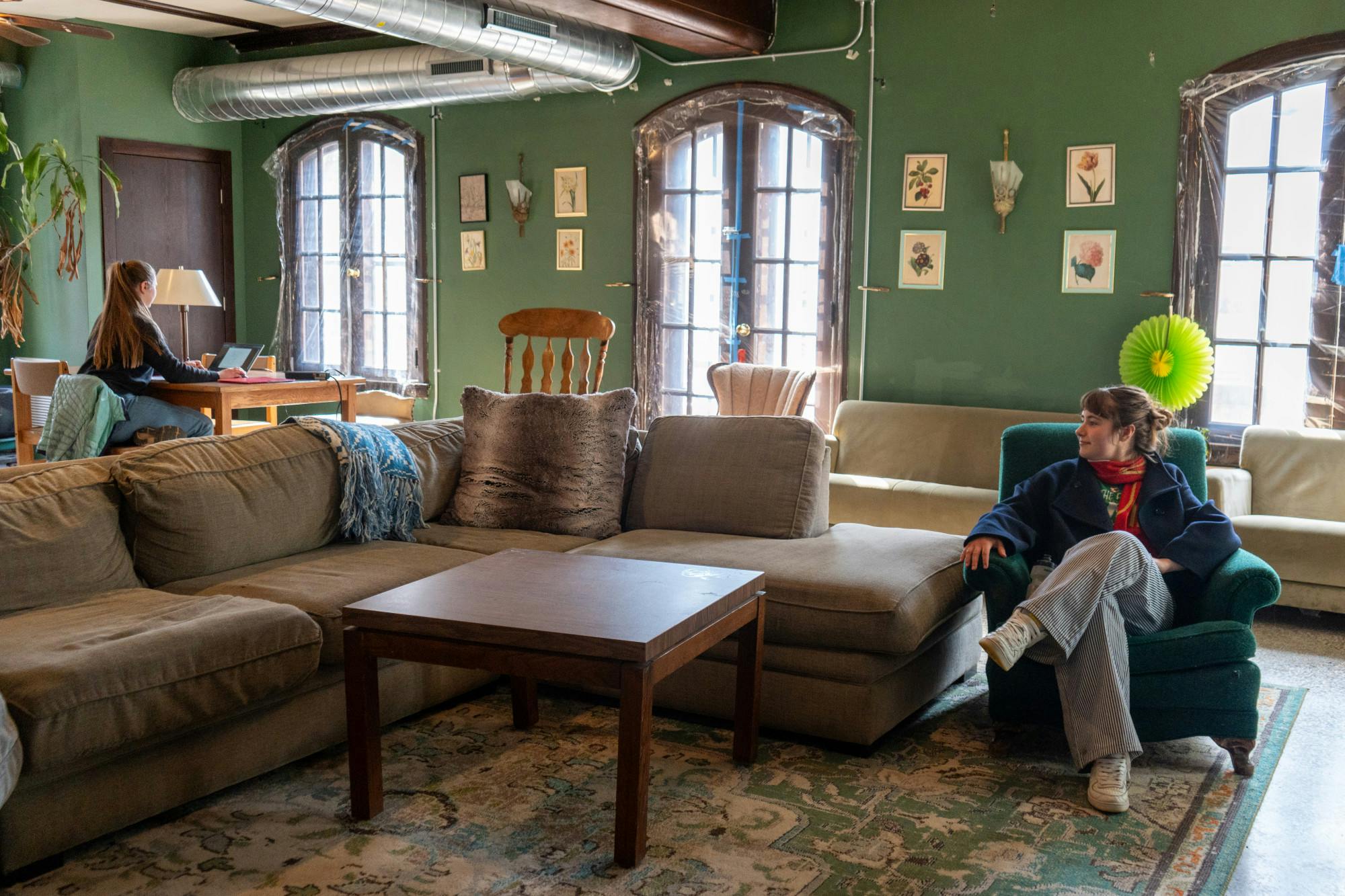
For students who might not be interested in Greek life, UW-Madison senior Claudia Schwiesow believes one underrated affordable housing option in Madison is living in a Housing Cooperative, where residents collectively own and manage their own building.
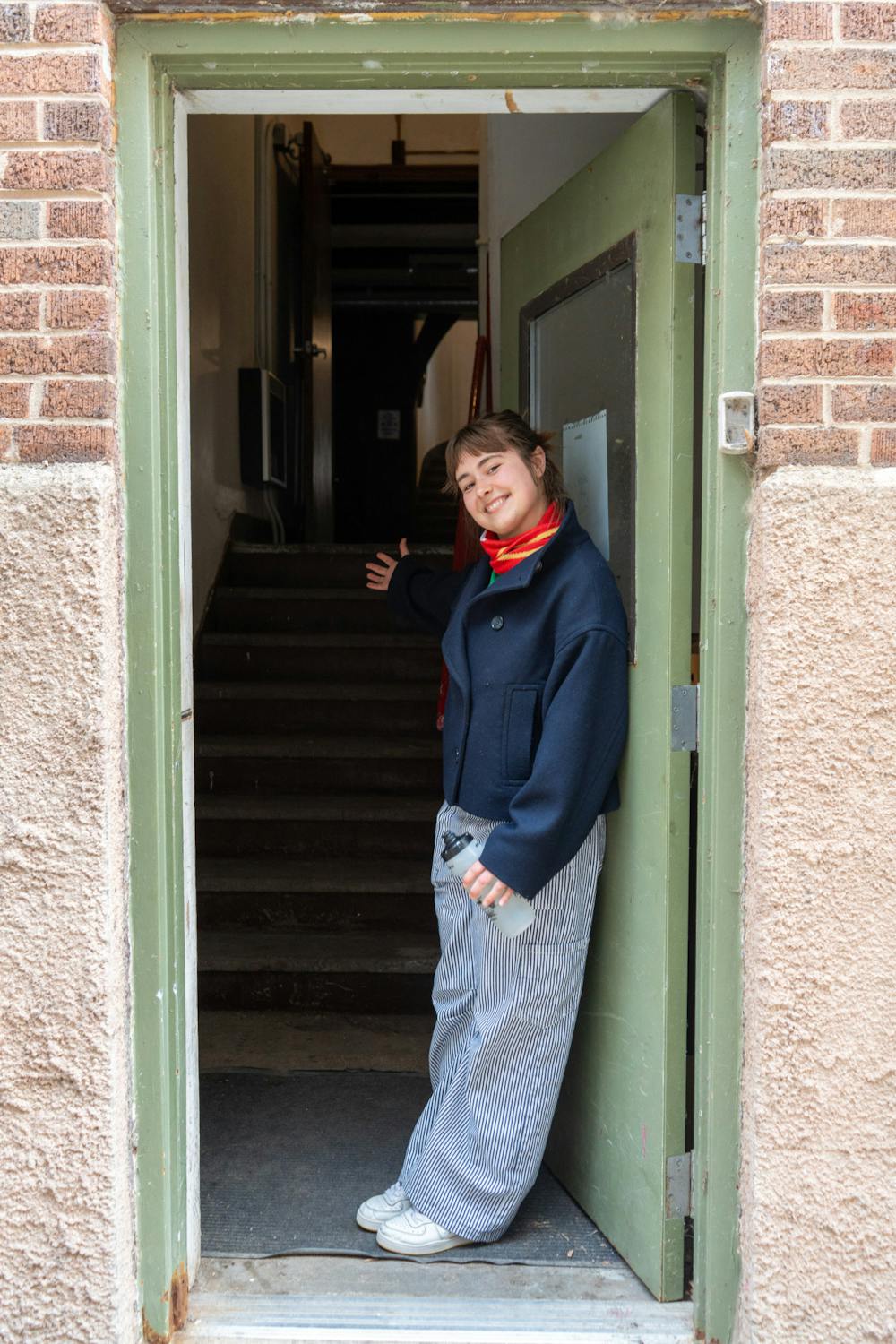
There are 11 primary housing co-ops in Madison, all housed under the Madison Community Cooperative. Schwiesow has lived in Zoe Bayliss, an MCC co-op specifically for women and non-binary students, since the beginning of the school year.
“I was looking for someone to be roommates with anywhere for my senior year,” Schwiesow said. “I got in touch with a friend of a friend…and she was like, ‘Well, I can't really beat paying $295 a month.’ And I was like, ‘Wait, where are you living?’”
At Zoe Bayliss, Schwiesow pays $355 a month in rent for a double room, in addition to a $1,300 food fee every semester for meals from the co-op’s chef, served Monday through Friday. Utilities and laundry are also included in her rent.
Schwiesow said the application process, which opens in January unlike the majority of student apartments in Madison, was not competitive at all. She said there are currently at least eight open spaces in their building waiting to be filled.
“I don't think many people know about [co-ops],” Schwiesow said.
While Schwiesow loves Zoe Bayliss as an affordable housing option, one of her biggest draws was the community in the co-op house, which she shares with about 40 other girls and non-binary students.
“I think that's a really cool system to be a part of, especially as a young person,” Schwiesow said. “I think it's really cool to see something so communal in action and then be a part of it.”
Residents at Zoe Bayliss are expected to help with the upkeep of the house through assigned chores once a week, from cleaning floors to cleaning dishes after communal meals. These duties are enforced and organized by a student leadership board at the co-op.
Schwiesow said living in Zoe Bayliss has helped her and her fellow residents gain a better understanding of what it takes to maintain a house and be more prepared for possible future home ownership.
While Schwiesow loves living in Zoe Bayliss, she said one possible drawback is a lack of abundant funding for the house’s upkeep, such as pest control or repairing small holes in the old building.
“If you're looking for the most pristine, clean place to live, it might not be here,” Schwiesow said.
But to her, the positive aspects of living at Zoe Bayliss far outweigh the drawbacks. Like Schwiesow, Dybdahl emphasized the importance of students prioritizing “needs” over “wants” in the housing search, such as settling for a building with shared laundry facilities rather than an in-unit washer and dryer.
At UW-Madison, Off-Campus Housing Services works directly with students as they navigate the off-campus housing market, including helping them consider factors impacting rental costs and ways to potentially save money, according to Dybdahl. They also provide online tools and resources for students to utilize in their housing search, including the Rental Resource Guide.
“Students frequently reach out looking for help finding something ‘affordable,’” Dybdahl said. “Because affordability varies widely from student to student, we encourage them to establish a personalized budget.”
For students worried about the cost of off-campus housing, Dybdahl recommended looking beyond the center of campus for housing options, splitting rent with roommates or sharing a bedroom and looking into on-campus employment opportunities and other part-time jobs to offset costs.
The future of student housing
While University Services acknowledges that on-campus housing is not guaranteed after the first year, and works with students to navigate these obstacles, many students are looking for concrete solutions.
“I wish that we could build more dorms and build more housing that was less expensive,” Stoltz said.
University Housing can currently support about 9,000 students in their residence halls, according to Dybdahl, less than 25% of the 37,198 undergraduate students enrolled as of fall 2025.
Several off-campus housing projects are currently underway in the area to alleviate this housing shortage, including The Hub Madison Bassett and New Langdon, which will open in Fall and Summer 2026, respectively.
On campus, UW-Madison has been seeking legislative approval to build the first new residence hall in over a decade, with space for up to 2,000 students. But the $293 million plan was left off of the most recent state budget.
Late February 2026, the Wisconsin Department of Administration posted a request for proposals asking developers to submit plans for new student housing.
The RFP identified two potential sites for the new dorm — Merit Hall and UW-Madison Parking Lot 45 — and estimated that the building would open on July 1, 2028.
However, the RFP has since been taken down, and both the details of the proposal and timeline for the future dorm are once again unknown.
“It is getting harder to find housing here. There is still not enough room for all of us,” Pagan said. “Maybe one day.”