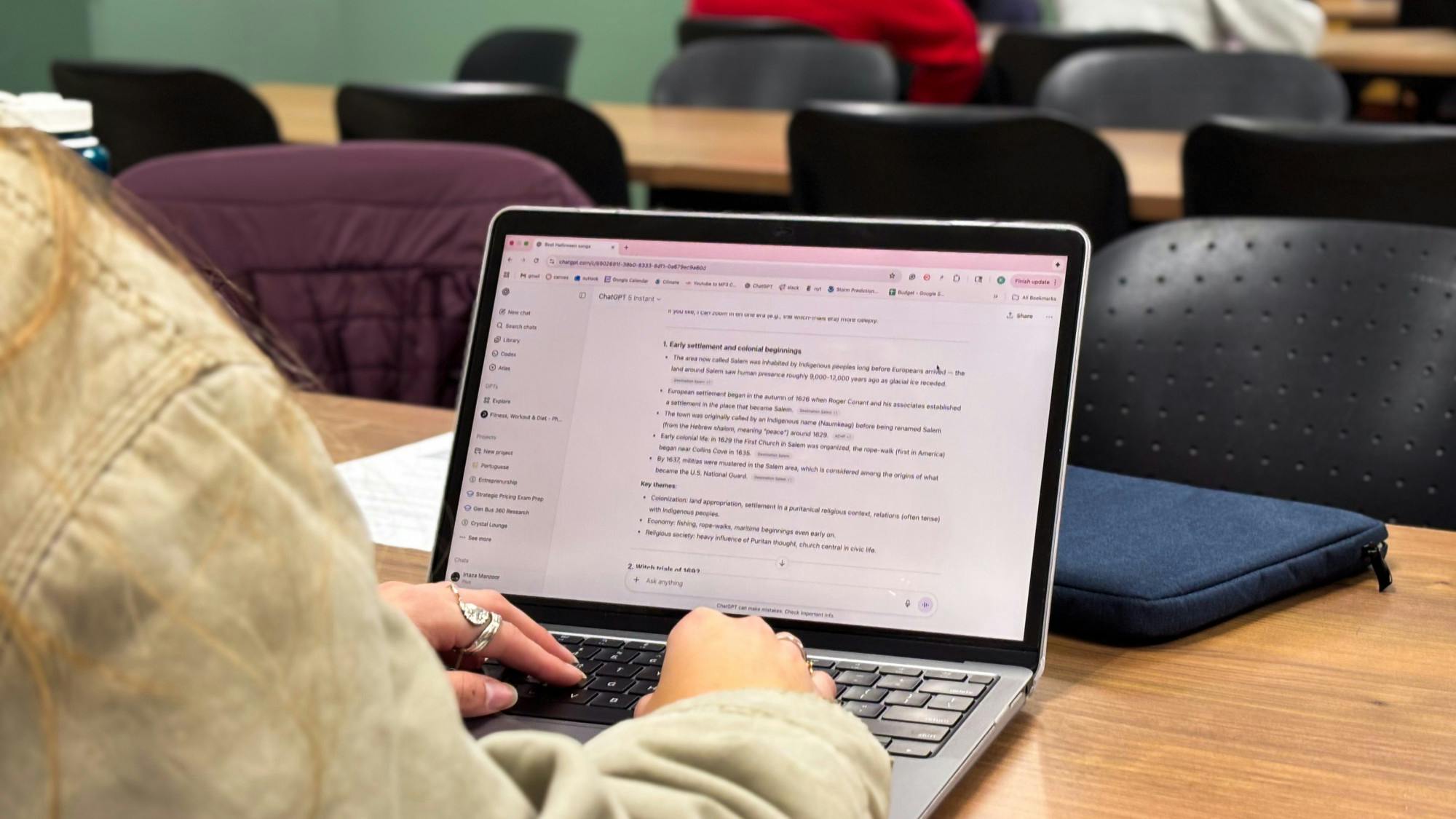
As students return to campus this semester, professors are once again evaluating how artificial intelligence can, and cannot, be a tool for learning in their classrooms.
Despite concerns about generative AI impeding learning, some professors at the University of Wisconsin-Madison are choosing to address and even integrate AI into their course syllabi.
The rapid development of AI technology has left professors and students alike grappling with the uncertainties of what constitutes proper use of AI in the classroom. While just a few years ago many courses explicitly banned AI, the technology is now becoming increasingly embraced.
New courses like “AI and strategic communication” in the journalism department are even structured around how students can apply AI in their strategic communication careers.
According to instructor Tom Beckman, the question of whether students are over reliant on AI is the wrong question altogether. Instead he asks: “Are we teaching students properly to think with AI?”
Nicholas McConnell, an astronomy professor, told The Daily Cardinal the novelty and rapid development of AI opens an opportunity for students and professors to collaborate and discover these new technologies together.
“There will be better outcomes if we’re talking to each other and being honest instead of trying to outsmart each other,” McConnell said.
Across campus, different departments are coming up with unique approaches to the advent of AI. Without a strict university-wide policy, professors and departments are allowed to develop rules and procedures that make sense for their disciplines.
In Stacy Forster’s Journalism 202 course, an entry-level reporting class required for all journalism students, students compare AI-written news briefs against their own real-world news briefs. Later in the semester, students will collaborate on a presentation that addresses the different ethical implications of AI use.
“Its going to be a group learning exercise because I don't really know what to teach, and we all have to kind of figure it out together,” Forster told the Cardinal.
According to a Nov. 2025 survey of U.S. university faculty conducted by Elon University, 95% of the faculty said generative AI will increase students’ overreliance on AI tools, with a majority also saying AI will reduce critical thinking skills and decrease attention spans among students.
“I wouldn’t say yet that students are over reliant on [AI],” McConnell told the Cardinal.
Instead, he expressed concern that students will use AI responses “transactionally” for grades, rather than as an aid in their development. He believes students “have a lot of agency to recognize that they can still be prioritizing their own growth.”
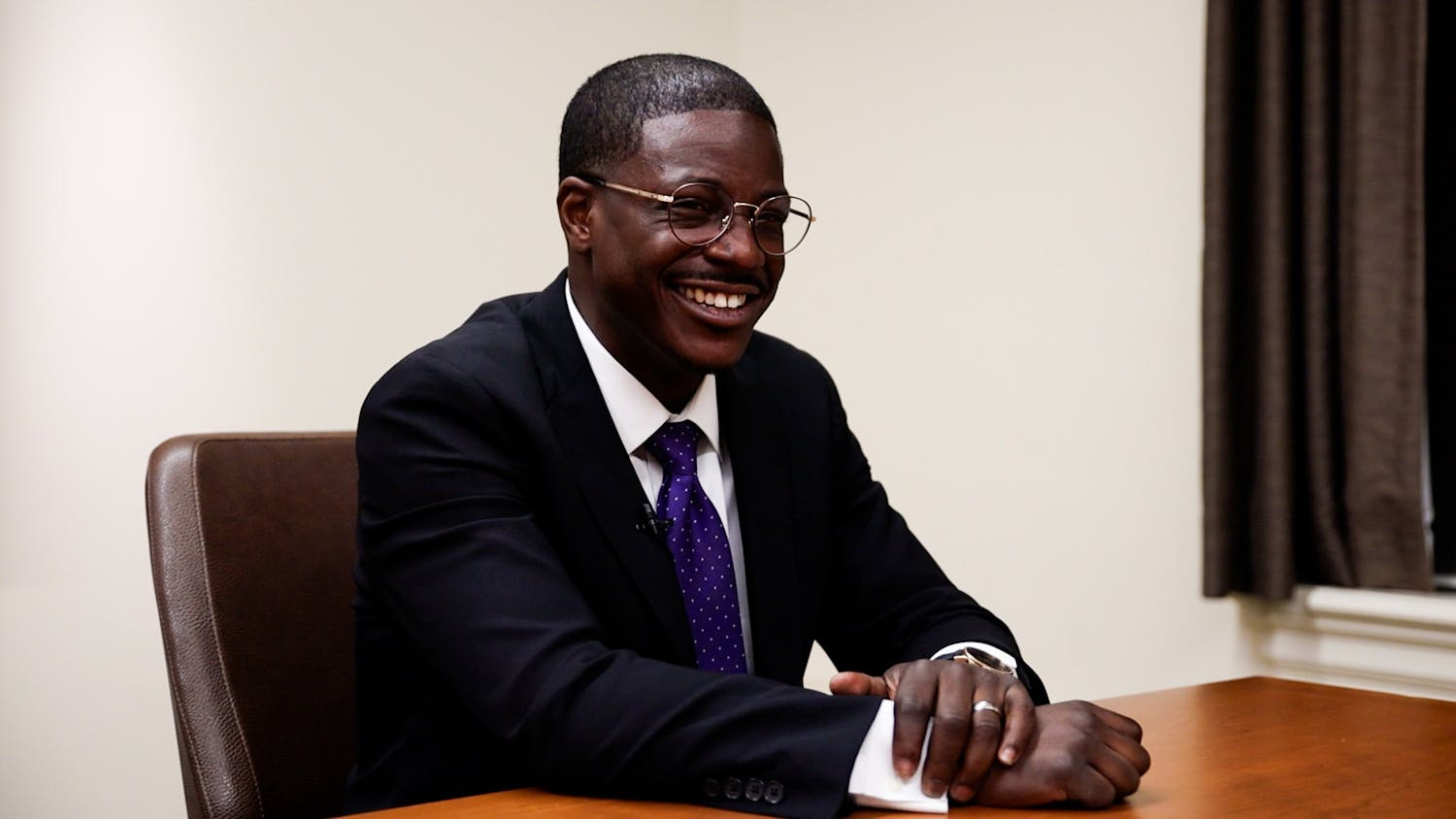
In an op-ed, University of Wisconsin System President Jay Rothman acknowledged AI’s role in the workforce, but still emphasized the importance of students’ ability to make informed decisions outside of the technology.
“AI is transforming the workplace, but durable skills like critical thinking, effective communication, adaptability and problem-solving that our 13 universities cultivate remain the foundation of success,” Rothman said. “When paired with AI literacy, these skills make our graduates ‘future ready.’”
A 2025 survey of 1,000 hiring managers found that 81% of hiring managers now consider AI-related skills a hiring priority, with employers looking for candidates with problem-solving or critical thinking skills regarding AI challenges, along with an overall proficiency in AI tools.
To Beckman, teaching AI for students’ careers doesn’t just mean teaching students how to use a specific AI tool — one that may not even be around in 10 years given how rapidly AI is progressing. Rather, he focuses on teaching students the executive functioning skills necessary to master any tool, whether they’re tools available today or those that will emerge in the future.
Beckman said he and other colleagues in the School of Journalism and Mass Communication focus on the applications of generative AI and large language models, from analyzing large datasets to monitoring customer behavior.
Despite the growing prevalence in both the corporate world and academia, concerns about the ethical use of AI remain among students.
Forster said even in assignments where students are allowed or encouraged to use AI, some refuse to do so, either out of environmental concerns or a general ethical opposition to AI.
She expressed that most students are mindful of how they use AI tools and that a foundational understanding of the material is needed to use AI effectively. Forster previously conducted a survey on students’ AI use and found that “all students said they really want to do the thinking for themselves.”
She, along with Beckman and McConnel, is optimistic about how students will continue to use AI. Forster also said she believes professors and students are agreeing more than she initially anticipated.
Regardless of concerns about overreliance or ethics, AI is a tool that is likely to stay. As more attention and university resources are diverted to AI technology, the future can reshape higher education.