The University of Wisconsin-Madison’s Wisconsin Humanoid Robotics club, founded in November, plans to design and build a humanoid robot from scratch.
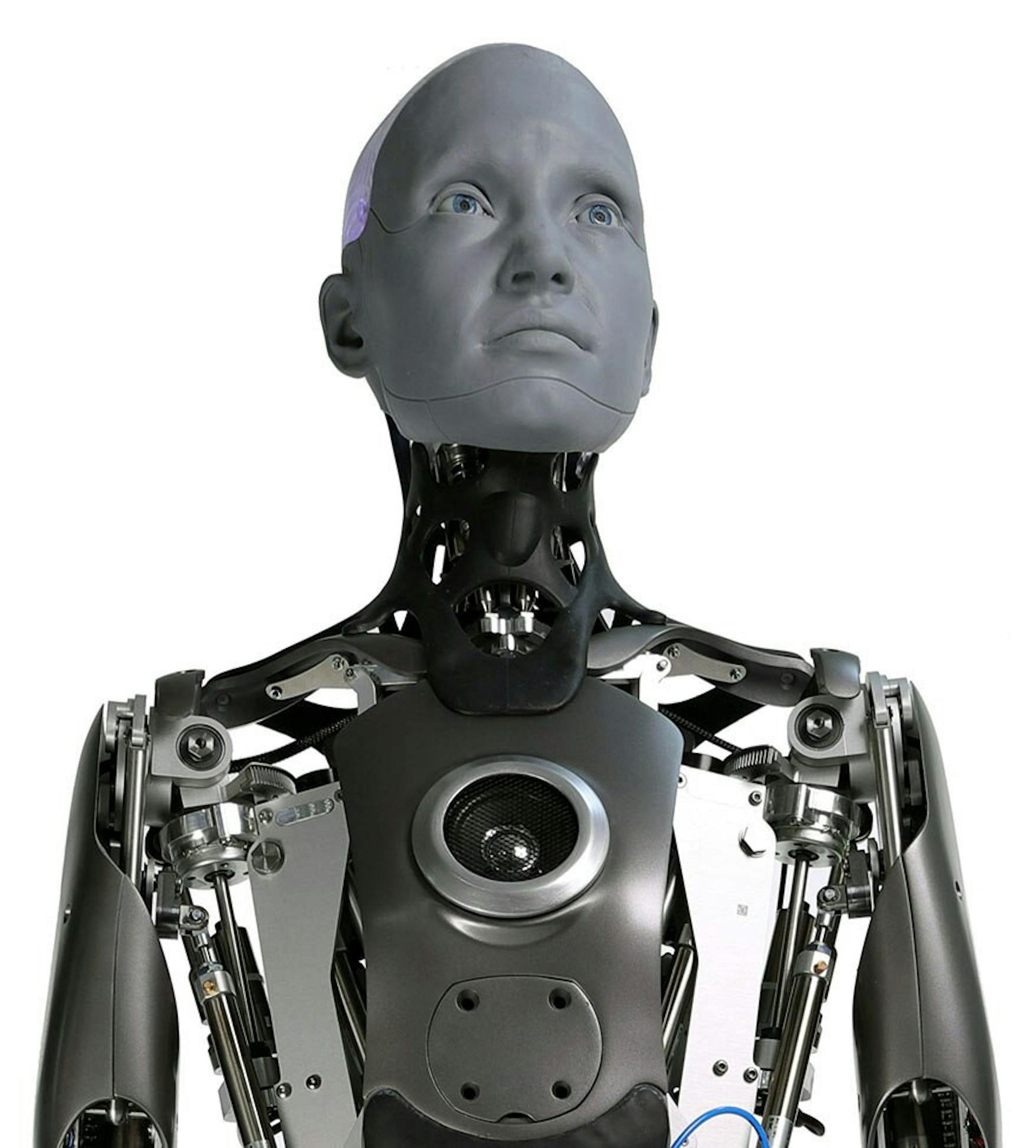
Humanoid robots are human-like automatons powered by artificial intelligence, with arms, bipedal legs and the ability to execute a range of mechanical tasks in the same way a human would. An analysis by Morgan Stanley projected the humanoid industry to become a $5 trillion market in the next 25 years. Humanoids could have applications in hazardous industrial work environments, consumer households and even scientific operations beyond Earth.
“Our theory is, if we can build the [nation’s] first or second humanoid robot, we'll suddenly have one of the most prepared student bodies in the world to go fill this massive billion dollar market that has no talent, because there's no undergraduate opportunities to study humanoid robotics,” Wisconsin Humanoid Robotics Co-founder and Co-president Max Schneider told The Daily Cardinal.
The club plans to deploy an autonomous, two-armed robot that can clean up spaces, deliver food and fold laundry by September 2026, according to the club website.
“If you want to make a robot that folds laundry, there's many ways to do that,” Schneider told the Cardinal. “But if you want it to be a humanoid, it needs to be shaped like a human and use its hands like a human would.”
The design planned for later this year has wheels, but over the next 3 to 4 semesters, the club hopes to design and build a full humanoid robot. As humanoid robotics is an emerging field, there will be opportunities for research, discovery and innovation, Schneider said. Club members are split into subteams focusing on electrical, mechanical and software systems, as well as an integration team and an operations team.
‘A project with no constraints’
Since its founding in November, Wisconsin Humanoid Robotics has attracted 130 active members, club leaders said. The club’s Discord server has over 400 members. Schneider attributes this popularity to a real world, hands-on nature that’s different from the classroom-based learning most prevalent across the country.
“Worksheets are interesting and they're important, but they don't help you when it's day one at your job and your boss wants you to design something and you've never designed anything before,” Schneider said. “I think this is so exciting because we're essentially running as a startup — we're telling people, ‘here's a project with no constraints.’”
The robot is in the design phase for the time being, with plans to prototype dextrous hands and arms by May 2026. The club currently has space on the fourth floor of the mechanical engineering building. Moving from the design phase into building and assembling a humanoid robot requires money and space that the club currently does not have.
One way they intend to raise funds is through corporate sponsorships. Purdue’s humanoid robotics club has been able to raise $300,000 from corporate sponsorships, according to Schneider. Wisconsin Humanoid Robotics hopes to match or exceed this. Humanoid robotics clubs internationally, including ETH Zurich’s robotics club, have received funding from AI sponsors according to club Co-President Grant Gao.
“In Zurich, they were able to get AI sponsors like OpenAI and Anthropic,” Gao said. “We're also trying to get sponsors from the more humanoid related teams right now, like Tesla, Vigor, Boston Dynamics and those sorts of things.”
The club plans to bring a robot to Engineering EXPO, a STEM outreach event aimed at demonstrating science and inspiring future engineers.
“Presenting at the Engineering EXPO would be something that is beneficial for us because it gives us a project to work on, but also beneficial for them because they can advertise to prospective students that we are on the cutting edge and we're doing work that's not being done at any other universities,” Schneider said.
Editor's note: This article was updated on Feb. 26 at 9:40 am to correct the spelling of the co-founder's name.