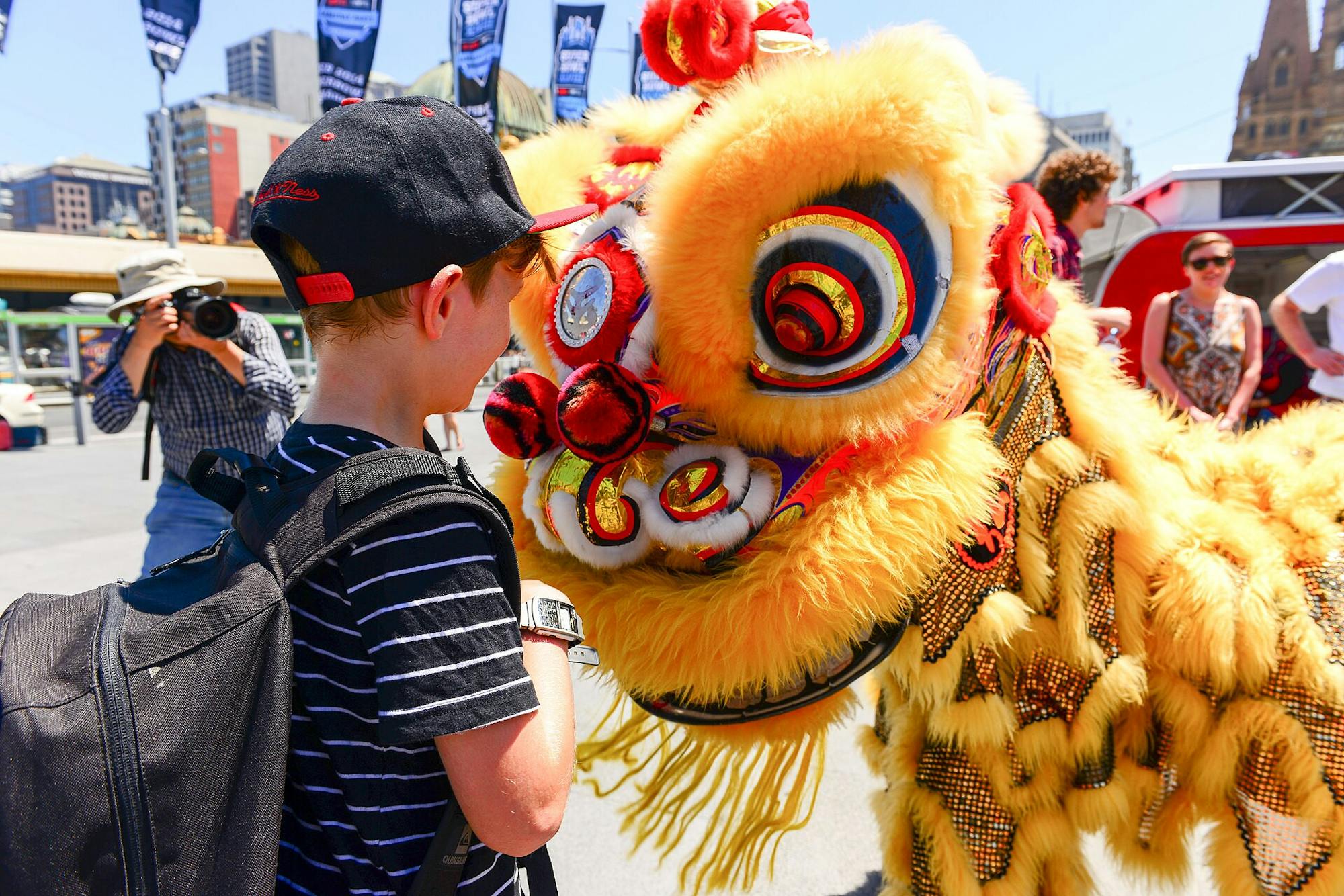
A trend of people claiming to be “in a very Chinese time of my life” broke out across social media toward the end of 2025, highlighting significant characteristics of Chinese culture, like wearing Chinese inspired clothes, cooking Chinese food and noting the Year of the Horse for new beginnings on Jan. 1 far before the actual celebration of the Lunar New Year on Feb. 17.
This aestheticization of Chinese culture is often used by influencers to their own advantage without understanding the historical and cultural significance behind such “trends.” As Lunar New Year approaches and many Chinese families prepare for Chinese New Year traditions, it is important for those unfamiliar with the holiday to educate themselves on why the new year is celebrated later than the Western calendar and what symbolism the twelve zodiac animals hold within the Chinese tradition.
Typically, Chinese New Year is celebrated between late-January and mid-February, which is the beginning of the lunisolar calendar. Because this calendar does not align with the Western calendar, Chinese New Year is celebrated weeks after the date of the worldwide celebration of New Year’s on Jan. 1.
Despite this difference, many social media users have marketed the upcoming Year of the Horse as an opportunity to start anew without fully engaging with the mythology and cultural significance behind the zodiac cycle. In Chinese mythology, the zodiac animals are determined by the heavenly Jade Emperors, or Buddha's Great Race, a legend that decided the order of the twelve animals each year to mark time for the Chinese people.
These zodiacs are often used to characterize people based on their sign, such as the Year of Roosters associated with hardworking, observant and resourceful people. The zodiacs are also used to compare the compatibility between their signs and the upcoming year’s zodiac to predict what the new year has in store for them that year.
Mistranslating and misinterpreting Chinese culture goes beyond the aestheticization of social media trends and exists within a broader discriminatory history of the Chinese-American experience, which dates back to the 19th century. Eras like the “Yellow Peril” rhetoric of the 1870s and the Chinese Exclusion Act of 1889 define the racialized pressures and ostracization of newly immigrated Chinese laborers. This feeling of alienation continued as anti-Asian hate crimes spiked following the initial COVID-19 outbreak. Although people claim they are “new to being Chinese” now, Chinese communities around the world have been Chinese and living in a “Chinese time of their life” for thousands of years.
The Chinese and Chinese American experience is not always the wellness-focused, aesthetic lifestyle advertised across social media. For many, the experience has also included navigating stereotypes and discrimination rooting around Sinophobia.
Even today, a Sinophobic undertone permeates Western pop culture as citizens view China through the lens of a racialized bias skewed against understanding Chinese identity. For many people of Chinese descent, outside interactions are still marked by mockery stemming from racial stereotypes, from small eyes to higher expected intellectual capabilities to claims of being dog-eaters and much more.
Similarly, Chinese culture, such as Xiaohongshu makeup, tanghulu and matcha being rebranded as Korean or Japanese trends is doing a disservice to the capabilities of Chinese influence. Although this repackaging of Chinese beauty and food trends can be considered a moment of honest misunderstanding, it is realistically rooted in Sinophobic sentiment across non-Chinese countries.
The bipolar relationship non-Chinese people have with China and its traditions denies Chinese people, including myself, a secure feeling of identity. It leaves most of us wondering which parts of our heritage we are allowed to unveil for exoticized spectacle without having to relinquish the rest of what Chinese culture has to offer.
To the outside world, China is still considered communist, evil and many more sinophobic misconceptions that are unsurprisingly ignored when those not of Chinese origin realize they can benefit from engaging in its so-called exotic and oriental culture.
Being Chinese is not a trend or a brand that can be defined by a consumer base to which people cherry-pick and customize to their own convenience. Being Chinese is an identity and lived experience marked by traditions and values established far before the emergence of the countries and peoples who seek to exoticize it.
Even in moments like these, when Chinese heritage is seemingly appreciated, an important question remains: at what point does appreciation become appropriation? Where, between the lines of racial discrimination and cultural appropriation, is being Chinese finally enough?
Sydney Frusher is a Sophomore studying Political Science and History. Do you agree that participation in cultural trends carries a responsibility to learn their context? Send all comments to opinion@dailycardinal.com