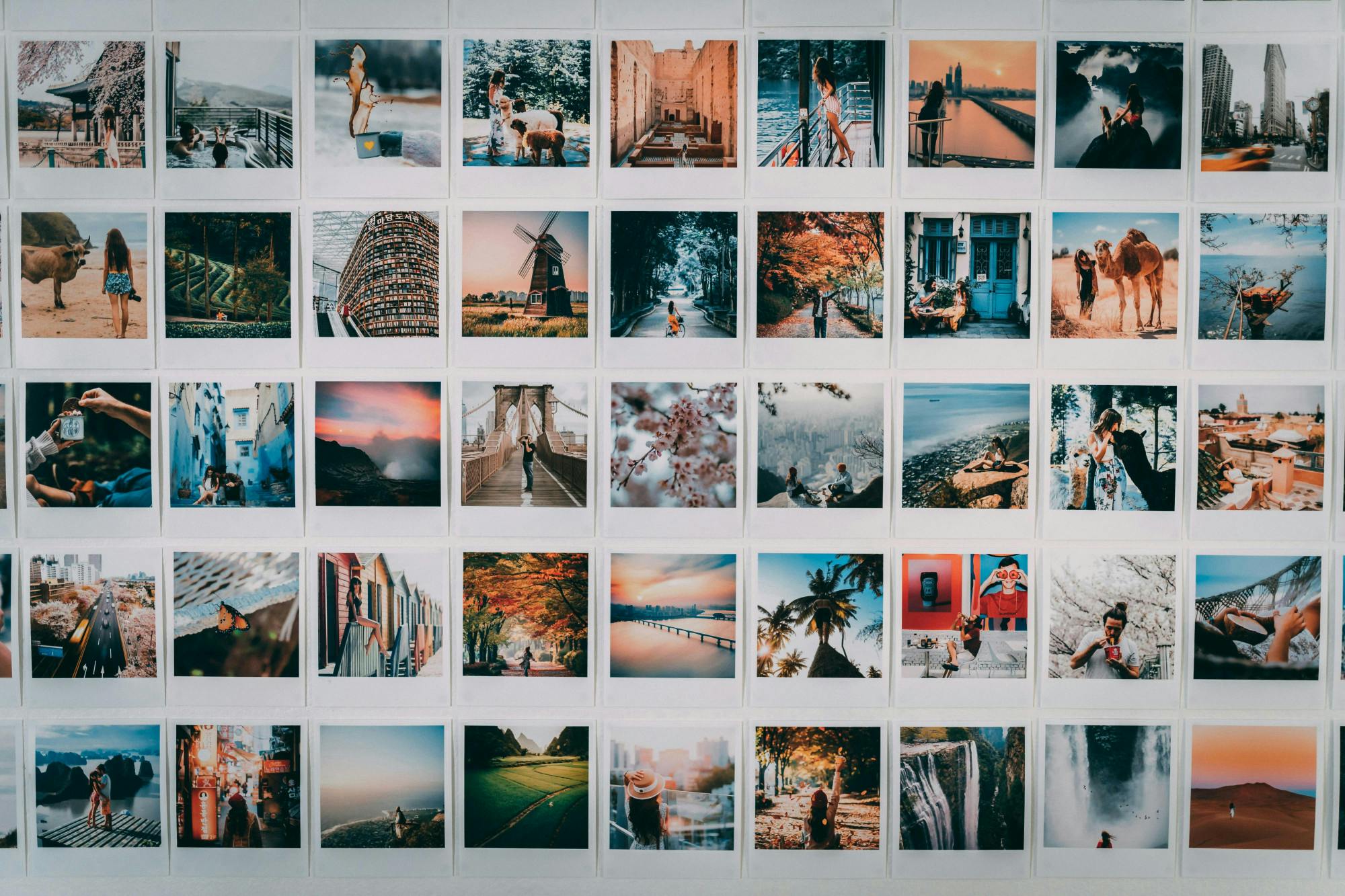
Scroll through Instagram or TikTok long enough and you’ll see it: grainy mirror selfies, Snapchat captions, awkward outfits and timestamps filled with 2016. Logically, the photos aren’t impressive. They’re blurry, poorly cropped and unapologetically casual. And yet, people keep reposting them, over and over again — not only because everyone else is doing it, but because of what it means.
At first, this trend looks like harmless nostalgia — a collective cringe-and-laugh at side parts, dog filters and questionable fashion choices. However, nostalgia alone doesn’t explain why this year — this phrase — took off. “2025 is the new 2015” didn’t trend. No one collectively romanticized previous years. Yet “2026 is the new 2016” is everywhere, and that difference matters.
Part of the reason is how sharply the past year has shifted our sense of stability. A year ago, the world felt tense but familiar. Now, uncertainty feels constant. Wars dominate headlines with no clear resolutions. Political polarization has intensified as another election cycle looms. Economic anxiety has deepened as inflation, layoffs and housing insecurity feel less temporary and more structural. The future no longer feels delayed; it feels fragile.
That change makes the present feel heavier than it did even twelve months ago. The exhaustion people feel now isn’t just abstract burnout; it’s tied to living through overlapping crises with no clear endpoint. When daily news cycles are defined by catastrophe and conflict, the desire to escape — even briefly — becomes understandable.
In that context, 2016 is more than just nostalgia. It’s symbolic. It represents a time before global crises felt nonstop, before disaster became routine. People aren’t praising the politics or culture of that year. They’re remembering a moment when the world didn’t seem to demand constant emotional processing.
Social media intensifies that contrast. In 2016, platforms hadn’t yet become something you had to actively manage. Instagram feeds were chronological. TikTok didn’t exist. Posting a photo didn’t feel like a performance measured by algorithms and engagement. Being online took up less mental space, which left more room to disengage when things felt overwhelming.
In 2026, disengagement feels almost impossible. Social media is constant, competitive and deeply intertwined with how we process current events. Every crisis arrives instantly, amplified and repeated. Even stepping away can feel like negligence. The phrase “2026 is the new 2016” isn’t optimism. It’s wishful thinking. It’s an attempt to imagine relief in a moment when relief feels scarce.
For Gen Z, this shift is especially pronounced. Many of us entered adulthood during a pandemic and are now navigating a world defined by political instability, climate anxiety and economic precarity. A year ago, there was still a sense that things might stabilize soon. Now that hope feels thinner.
On a campus like the University of Wisconsin-Madison, that weight is easy to recognize. Students are balancing academic pressure with fears about post-graduation prospects in an uncertain economy. Internships and entry-level jobs feel harder to secure. The expectation to stay productive while processing global crises creates a quiet but constant strain.
What makes the 2016 photo trend striking is how intentionally unpolished it is. People aren’t reposting old photos to show off success or growth. They’re sharing bad lighting, awkward smiles and moments untouched by urgency. In an online culture driven by performance, choosing imperfection feels like a form of resistance.
There’s something unsettling about the phrase “2026 is the new 2016.” It suggests we want the comfort of the past without confronting why the present feels so overwhelming. We can’t recreate ease without addressing the conditions that have eroded it.
2016 wasn’t a golden age. It had its own tensions and problems. But it existed before exhaustion became the default. The reason “2026 is the new 2016” resonates, when “2025 is the new 2015” never did, isn’t because time selectively repeats itself. It’s because the world feels heavier now than it did a year ago, and people are searching for proof that it doesn’t have to stay that way.
Sungyun Jung is a freshman studying journalism and serves as the Opinion Editor for The Daily Cardinal. Do you believe 2026 is the new 2016? Send all comments to opinion@dailycardinal.com