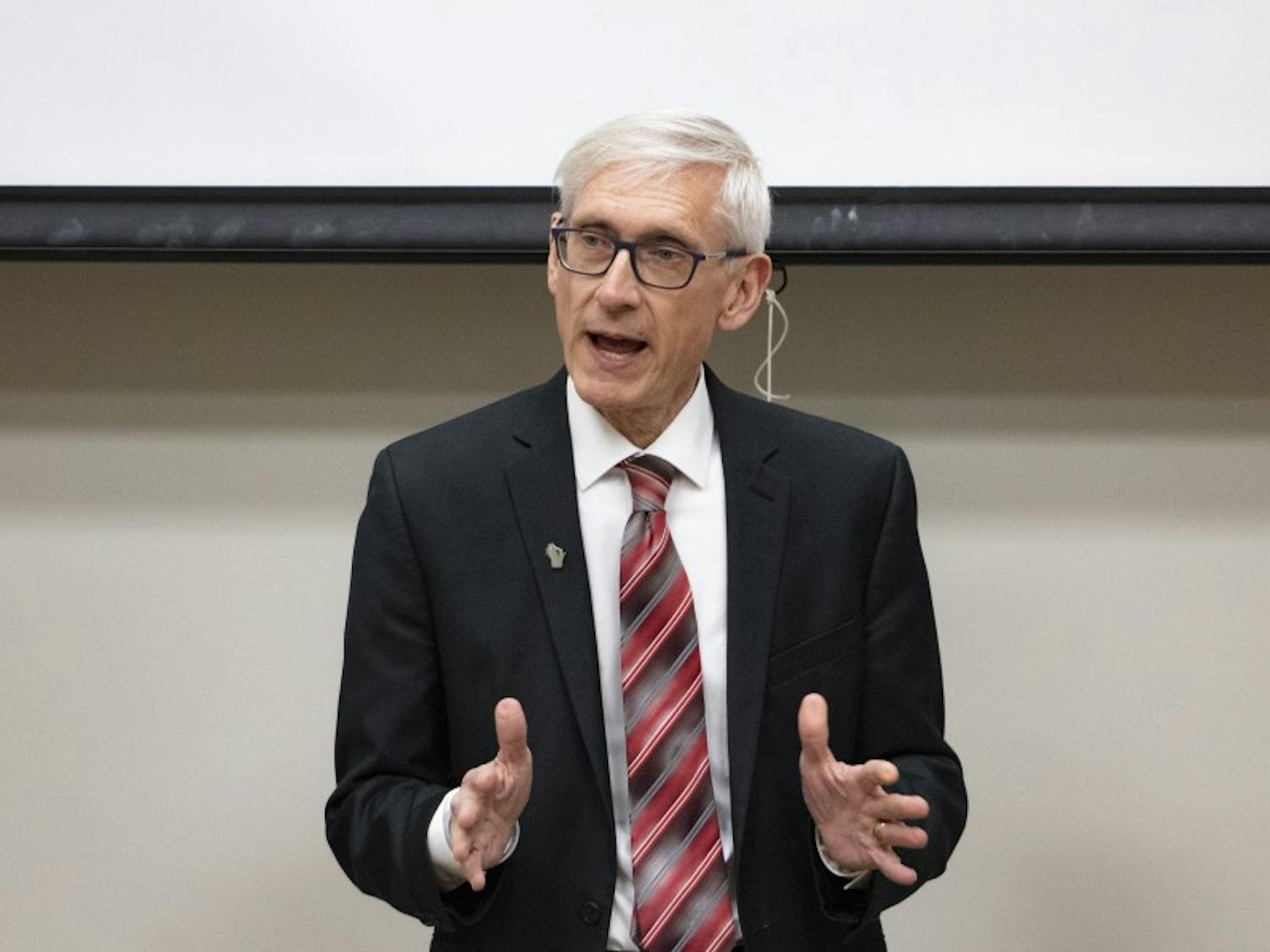
Evers lowers flags to honor slain officer and war veteran Matthew Rittner
By Josh Mitchell | Feb. 7, 2019Representatives from across the state have commented on the officer's death.
Representatives from across the state have commented on the officer's death.
Wednesday, Gov. Tony Evers proposed a new addition to the state 2019-’21 biennial budget that would eliminate the the Dark Store Loophole.
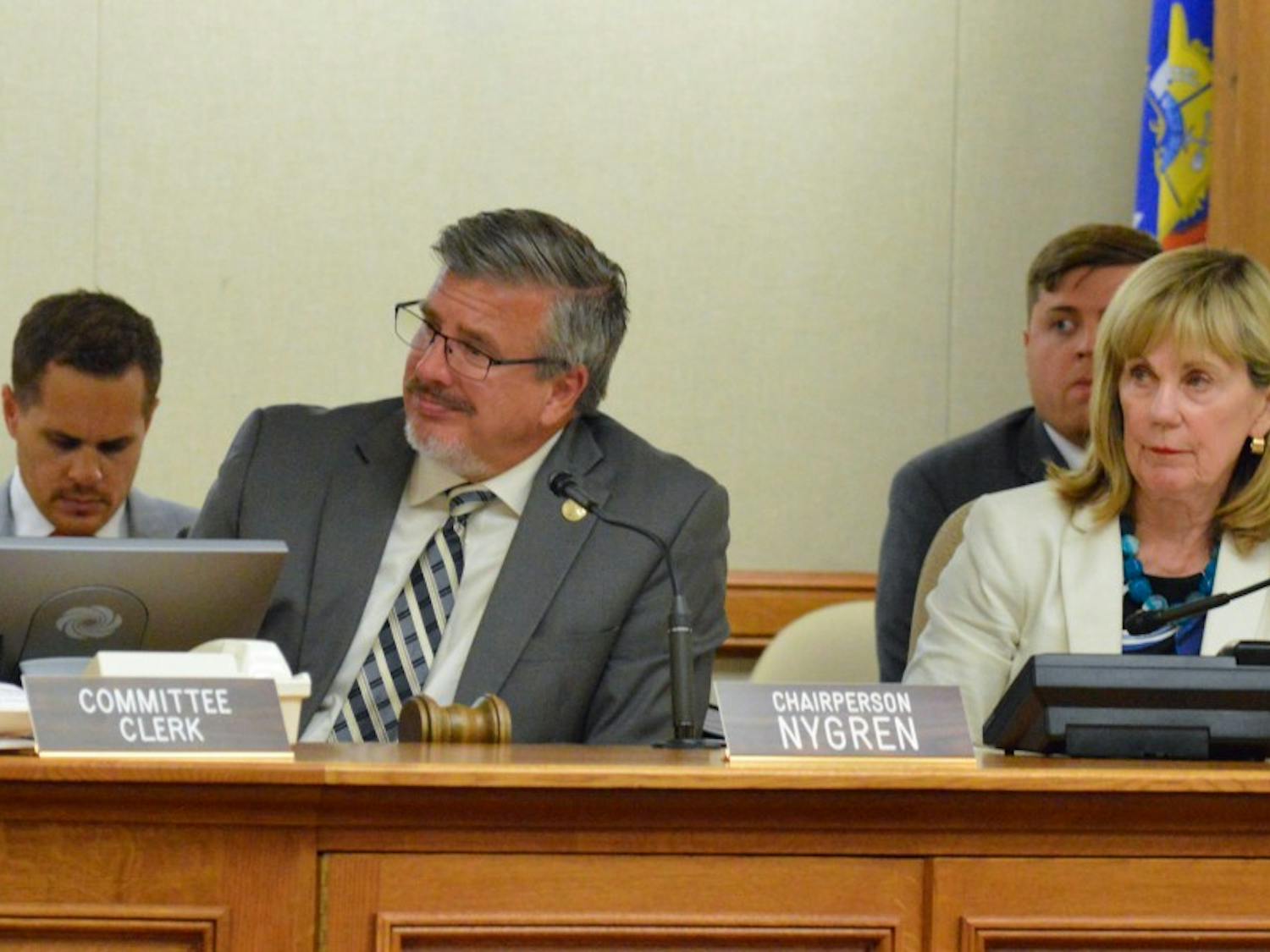
The Joint Committee on Finance hosted a public hearing Tuesday afternoon allowing legislatures on both sides of the aisle to address their concerns regarding a proposed middle class tax cut at the Capitol.
Wisconsin Supreme Court candidate Judge Brian Hagedorn spoke out about his controversial blog on WTAQ’s John Muir radio talk show in Green Bay Monday.
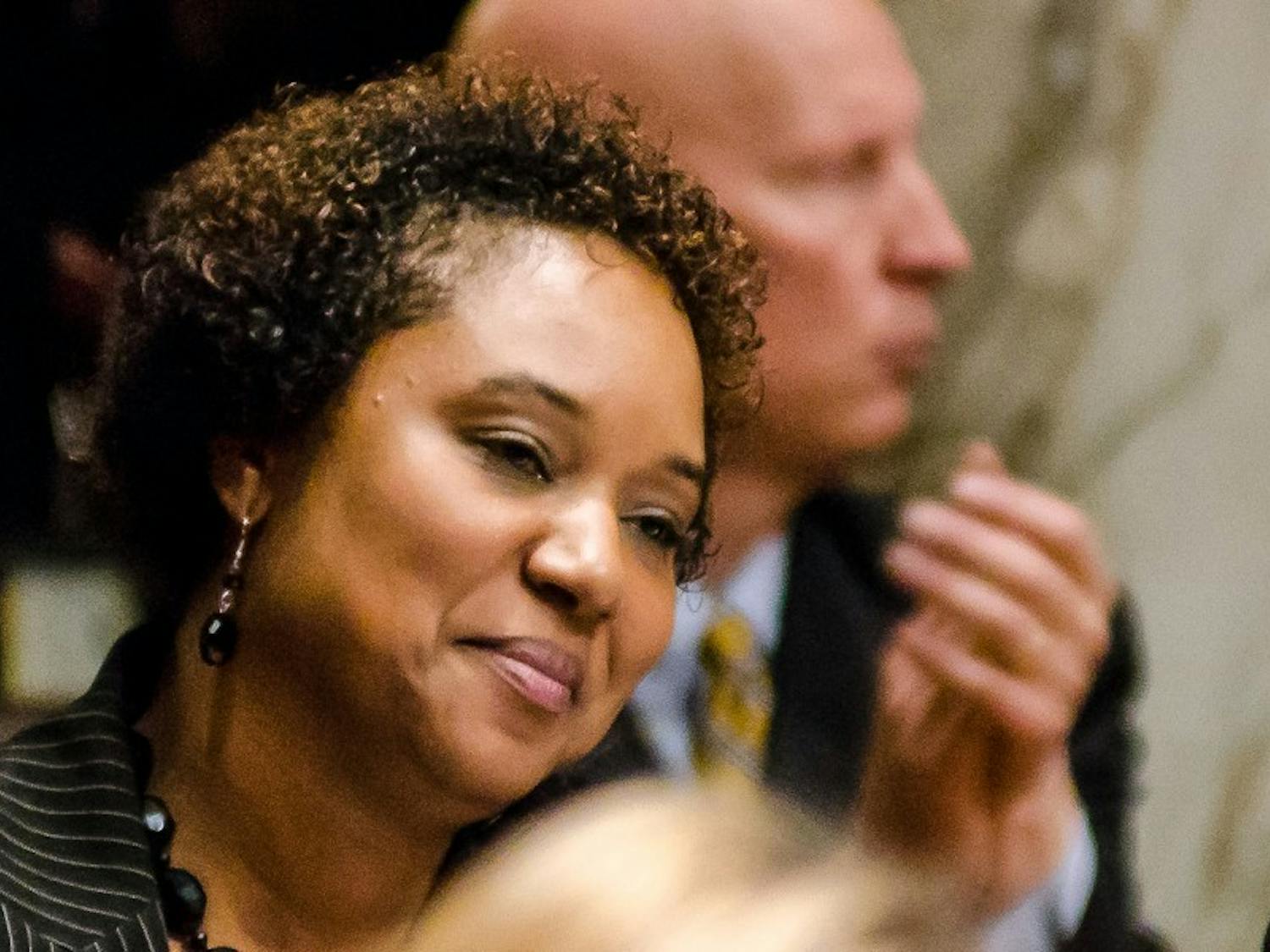
In celebration of the first day of Black History Month, state legislatures acknowledged the challenging story of America’s foundation by highlighting the strong resilience of African American people and the unfinished work to achieve equity across the state.
Followed by a week of flip-flopping between investment and development plans across Wisconsin, technology manufacturing company Foxconn re-committed to the construction of a Gen 6 fabrication facility in Racine after a talk with President Donald Trump Friday.
Wisconsin’s position in the lawsuit against the Affordable Care Act remains unclear five days after the governor announced his desire to withdraw. However, on Friday, Democratic committee members of the Joint Committee on Finance sent a letter to the Republican co-chairs requesting the committee to convene.
Walker and Evers collectively spent around $93 million on their campaigns.
While officials announced that the government shutdown may finally be coming to an end today — or least to a temporary pause — for Native communities across the state and around the country, the funding crisis is far from over.
Gov. Tony Evers' first executive order protects LGBTQ+ individuals from discrimination while seeking jobs within state government offices.
Gov. Tony Evers becomes Wisconsin’s 46th governor and calls for bipartisanship in the wake of lame-duck efforts to limit the power of his new office.
Outgoing Gov. Scott Walker signed lame-duck session legislation to limit his successor’s power merely 24 days before leaving office. Although Walker spoke about potential provisional vetoes, all parts of the bill were signed and passed in Green Bay on Friday, despite a media frenzy calling the December session a GOP power grab and highly energized bi-partisan protesting across the state.
Democrats rode an ambitious agenda to their clean sweep of Wisconsin’s state offices, but questions around their ability to execute now surface as it seems likely that the offices they inherit will be weaker than those they ran for.
In an unprecedented move, state Republicans have passed a series of reforms to disempower the offices of the governor and attorney general on key issues before they fall into the hands of Democrats.
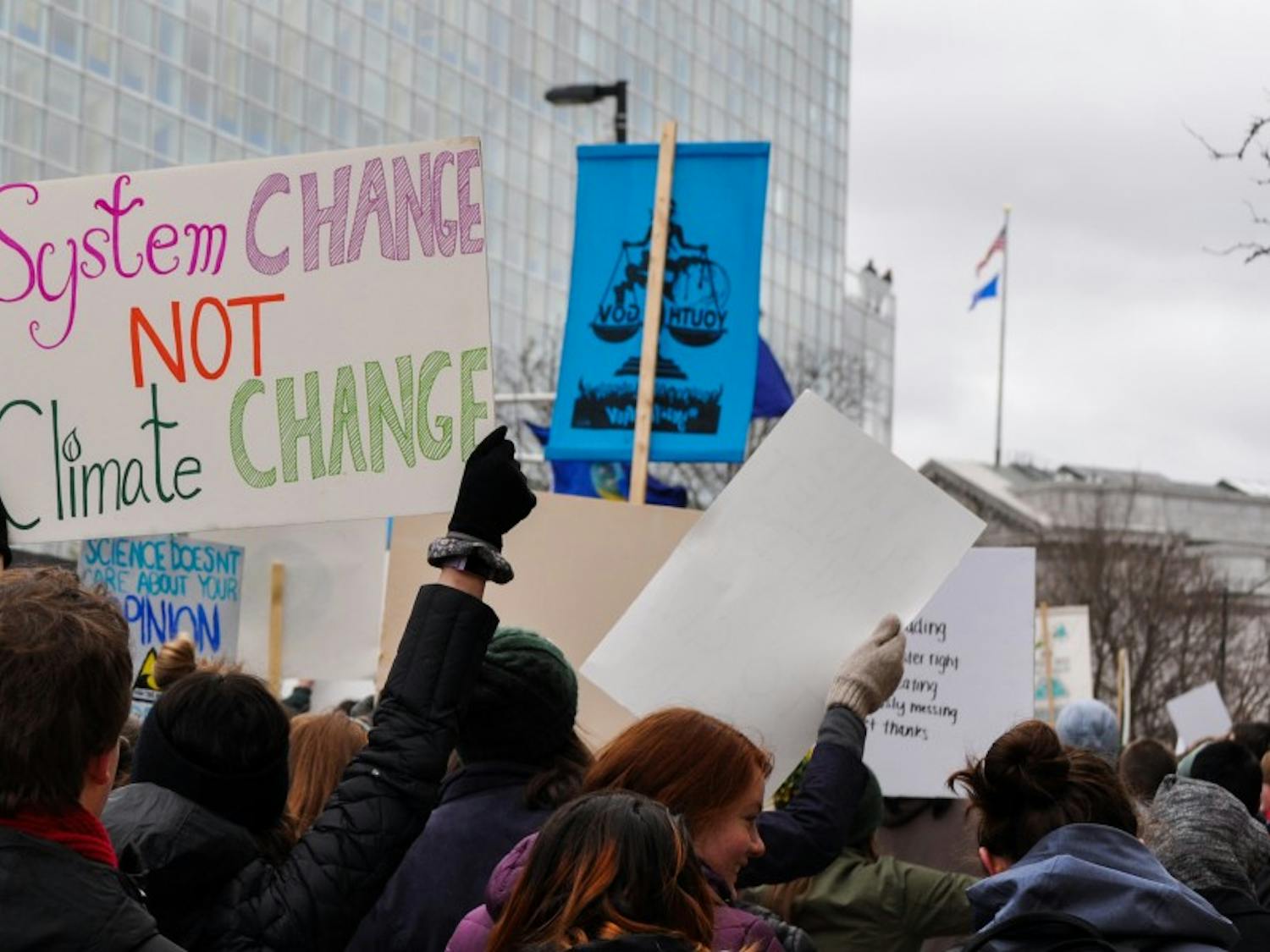
As state Republicans prepare to strip the incoming Democratic governor and attorney general of some powers and stifle future voter turnout, hundreds of protestors descended on the Capitol building to voice their opposition.
As part of an extraordinary session while Gov. Scott Walker remains in office, GOP leaders aim to pass a series of reforms this week to significantly disempower newly-elected state Democrats as well as boost their electoral chances down the road.
In the wake of a recent report which warned that the effects of climate change are already being felt across the U.S., State Sen. Tammy Baldwin, D-Wis., called for a wider acknowledgement of the problem and stronger political response to it.
About 53,000 Wisconsin children, or 3.9 percent, did not have health coverage in 2017, a slight increase from the previous year, according to the report.
With a large number of the most hostile and unequal cities in the country for black residents, experts in Wisconsin look for answers in history and solutions in policy.
Incoming Gov. Tony Evers continues to assert his commitment to progressive health care reform, a potential harbinger of partisan battles down the road.