
SCIENCE
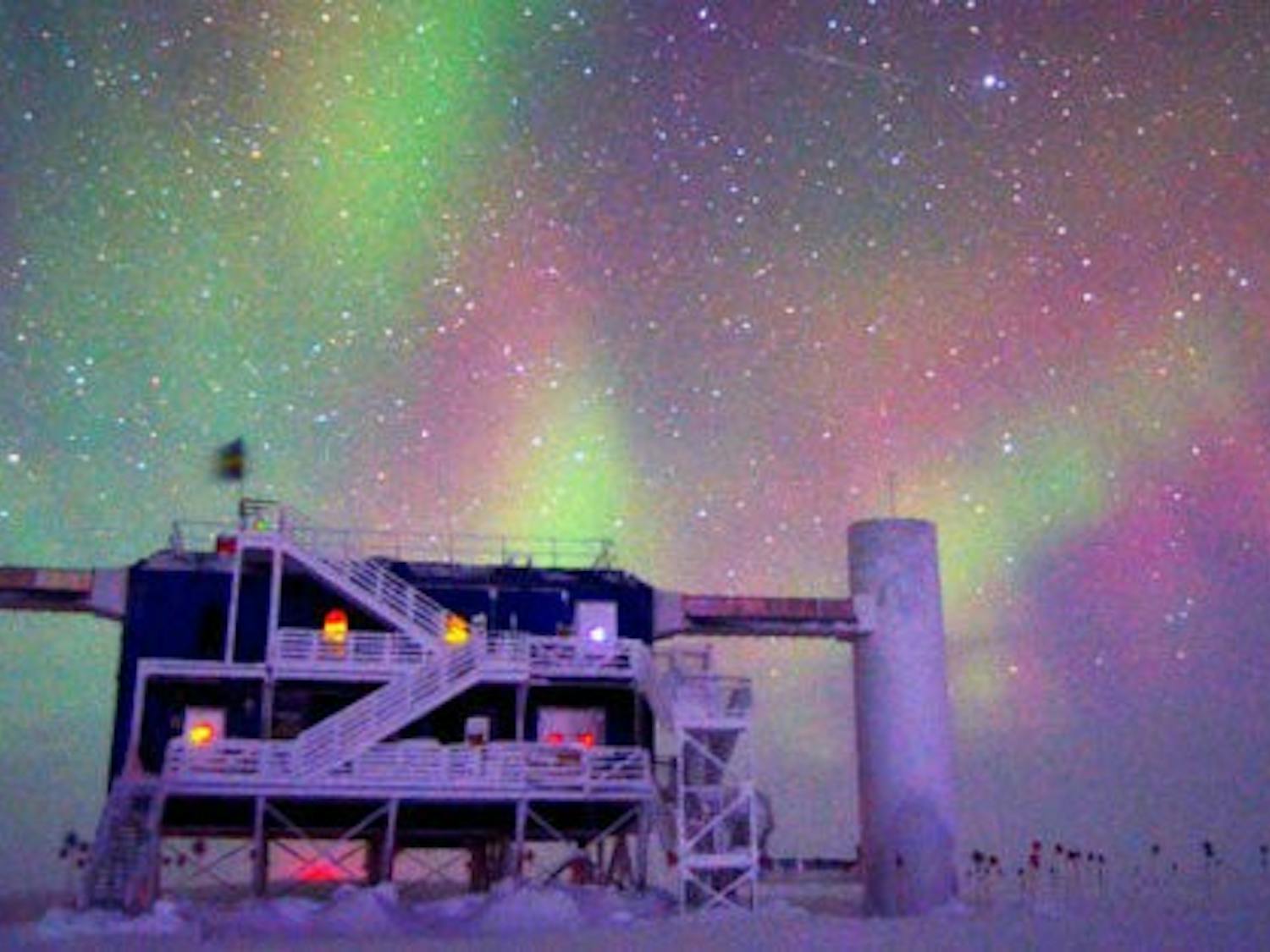
NSF renews $53 million in funding for UW-Madison’s IceCube Observatory at the South Pole
By Addison Dama | Sep. 24Updates to the IceCube research center may allow for new discoveries.
Updates to the IceCube research center may allow for new discoveries.

Rising temperatures and frequency of extreme weather events may disproportionately impact communities across Wisconsin, even as cities push to meet sustainability goals.

As bird migration begins, cities pose a risk to traveling birds through bird strikes, but bird-safe glass can help mitigate this risk.
The Adult Autism Program will launch its first pilot groups in November, offering individualized support to a population overlooked in funding and research.

As students return to campus this fall, student organizations across campus are offering opportunities to find community and explore STEM interests outside of the classroom.

A stretch of habitat along the Lower Sugar River in Rock County is now permanently protected.

Ongoing severe drought conditions in Wisconsin are leaving native freshwater mussels stranded in shrinking rivers and streams, putting dozens of species at risk, according to the Wisconsin Department of Natural Resources (WDNR).
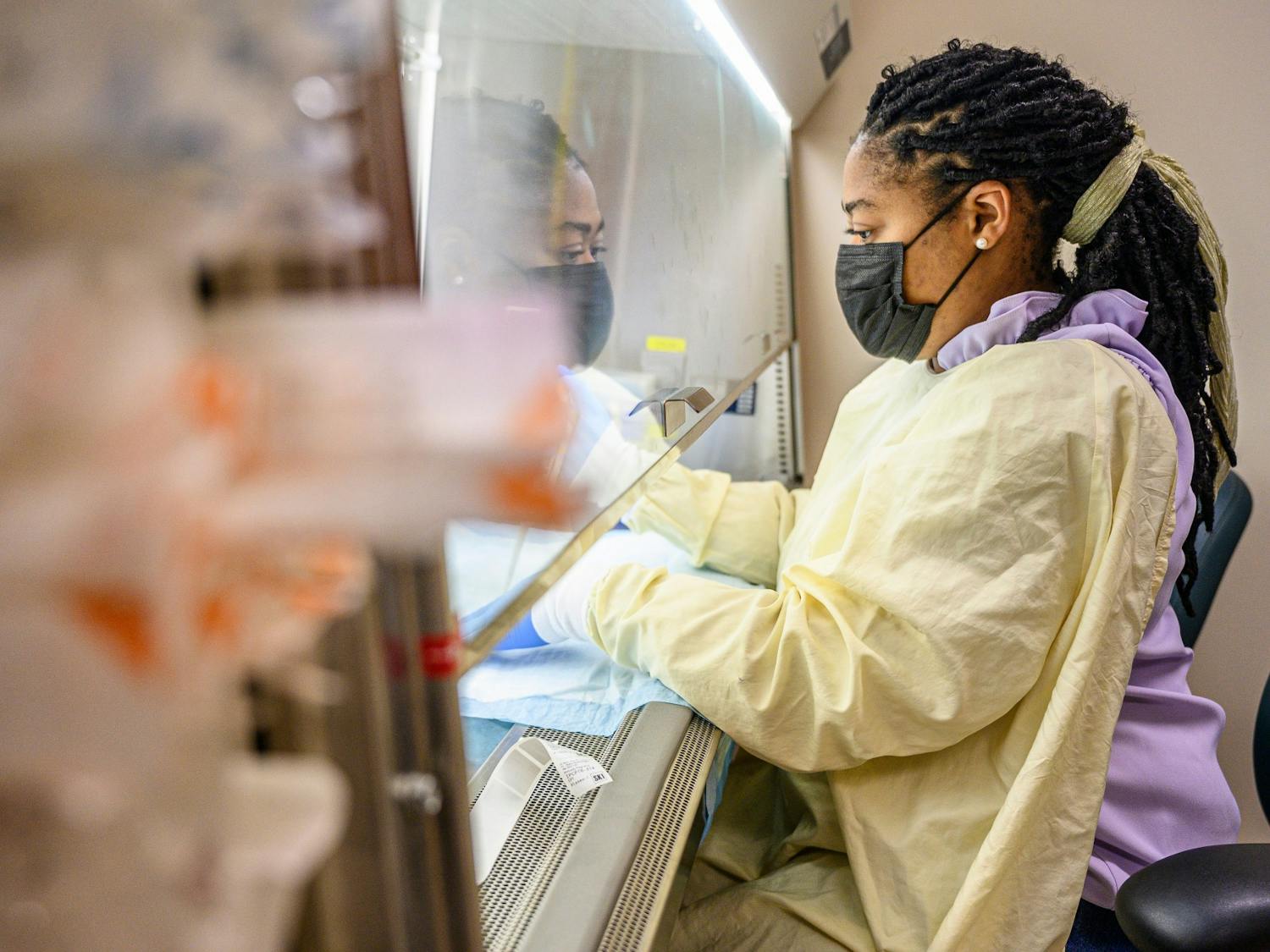
Paid research opportunities and flexible summer schedules give students hands-on experiences while helping them discover possible career paths.

A lawsuit over a proposed Vantage Data Centers campus in Port Washington argues the project requires a more comprehensive review of potential environmental impacts.
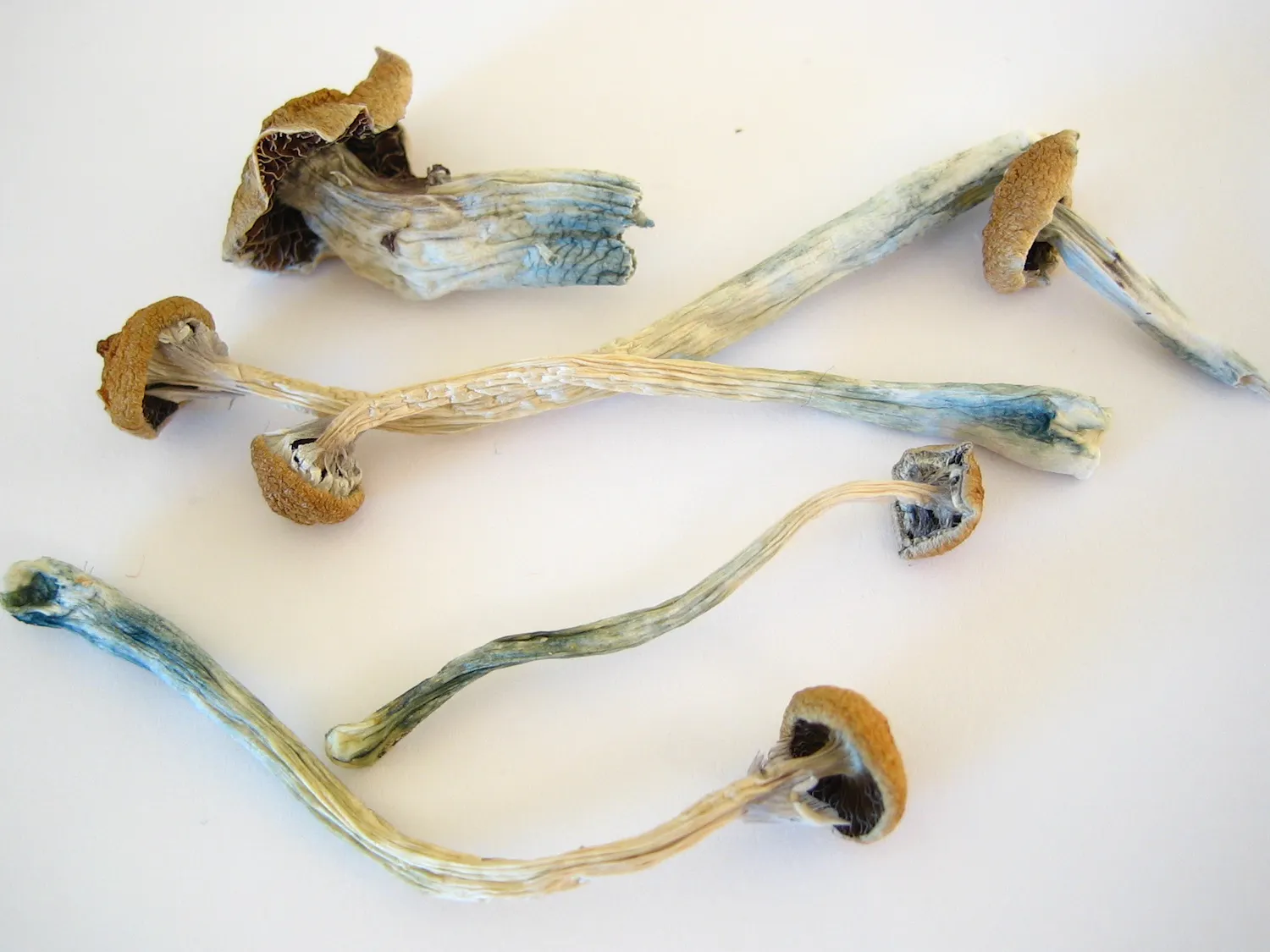
The recent federal criticism of popular antidepressants has spurred a resurgence of interest into psychedelic alternatives, and the University of Wisconsin-Madison is now on the front stage.

As the sun sets over Picnic Point, Brigade members gather with flashlights and ultrasonic microphones to monitor an overlooked part of Madison's ecosystem.

The first dementia villages are opening in Wisconsin in July and the fall of 2027 through sponsorships, time and dedication.

Cross-campus researchers collaborated to discover an early indicator for those at risk of Huntington’s disease.

As lawmakers debate regulations for lab-grown meat products, researchers and companies continue developing new forms of protein.

Dozens of beagles departed from Janesville Saturday afternoon, 16 on a plane, in the first of several missions to place over 1,500 beagles from the facility in shelters.

The UW Space Place Outreach Center, which hosted 10,000 visitors a year, is closing as a result of departmental budget cuts.
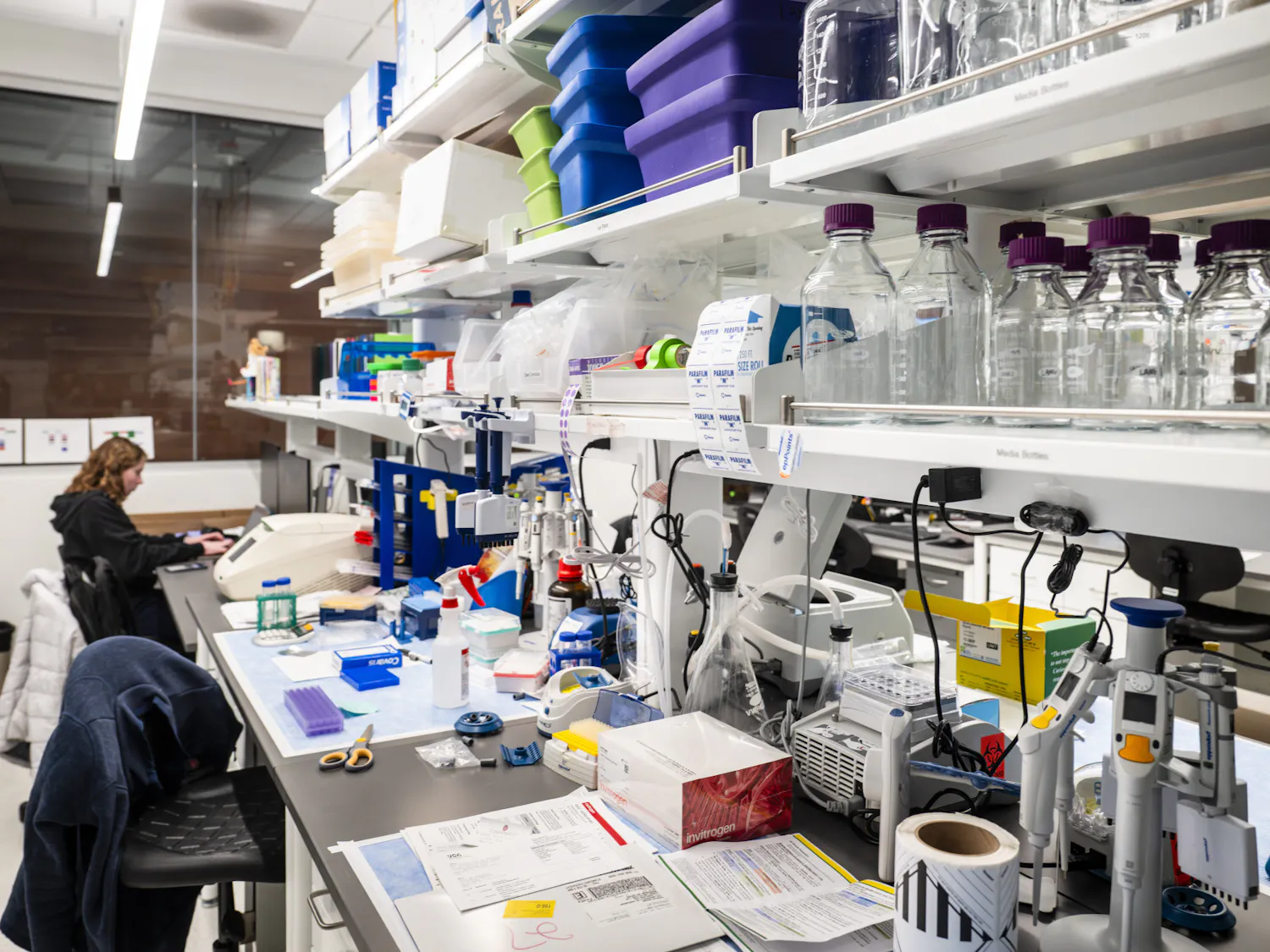
Dave Schroeder, director of national security initiatives at the University of Wisconsin-Madison, said defense research funding has increased as other agencies cut funding to the university.
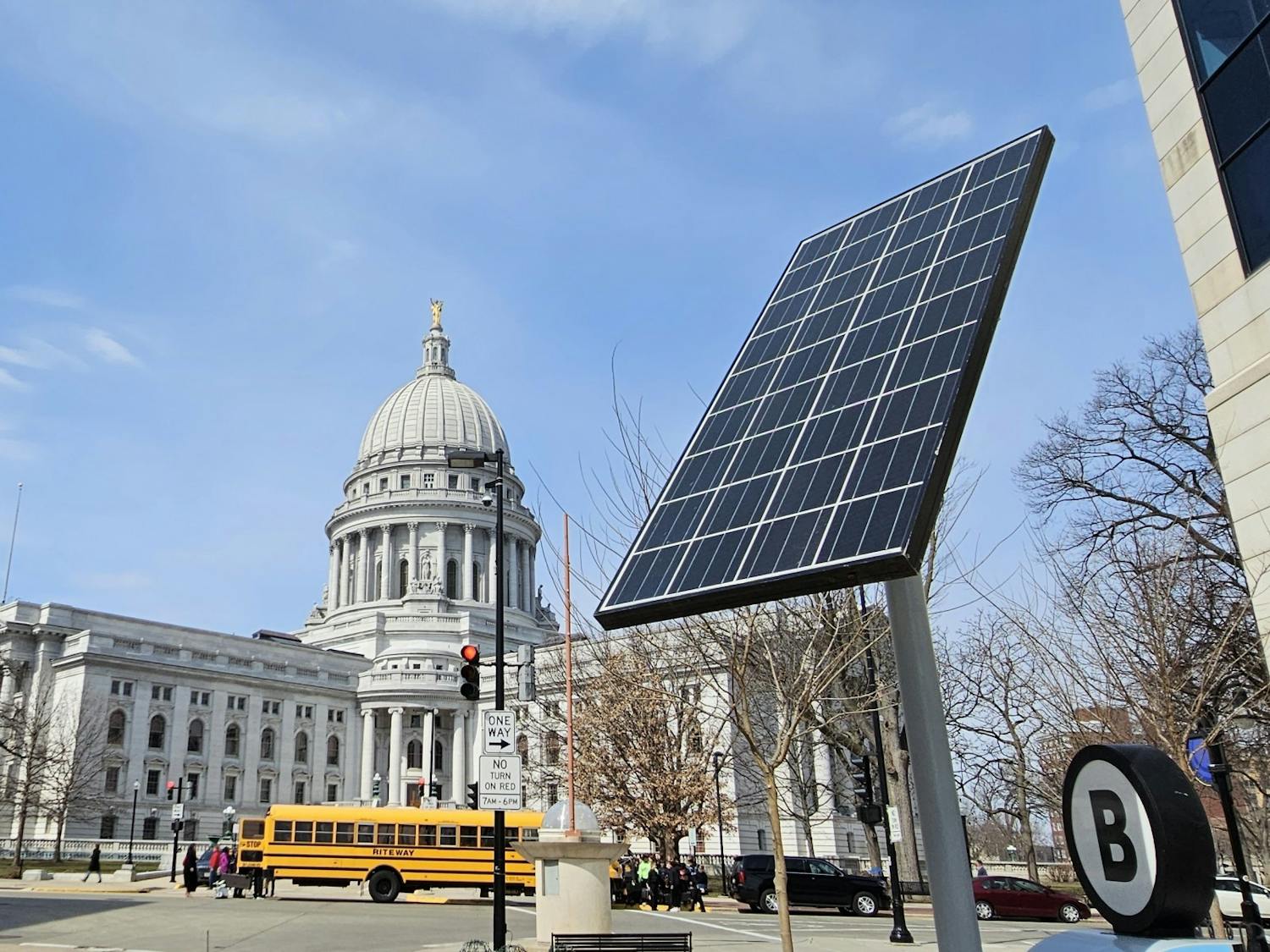
Eight months after Wisconsin’s Solar for All program was cut, the Wisconsin Economic Development Corporation is still trying to branch into statewide renewable energy opportunities.

Hundreds of animal activists were met with tear gas in an operation to remove beagles from the Ridglan Farms property.
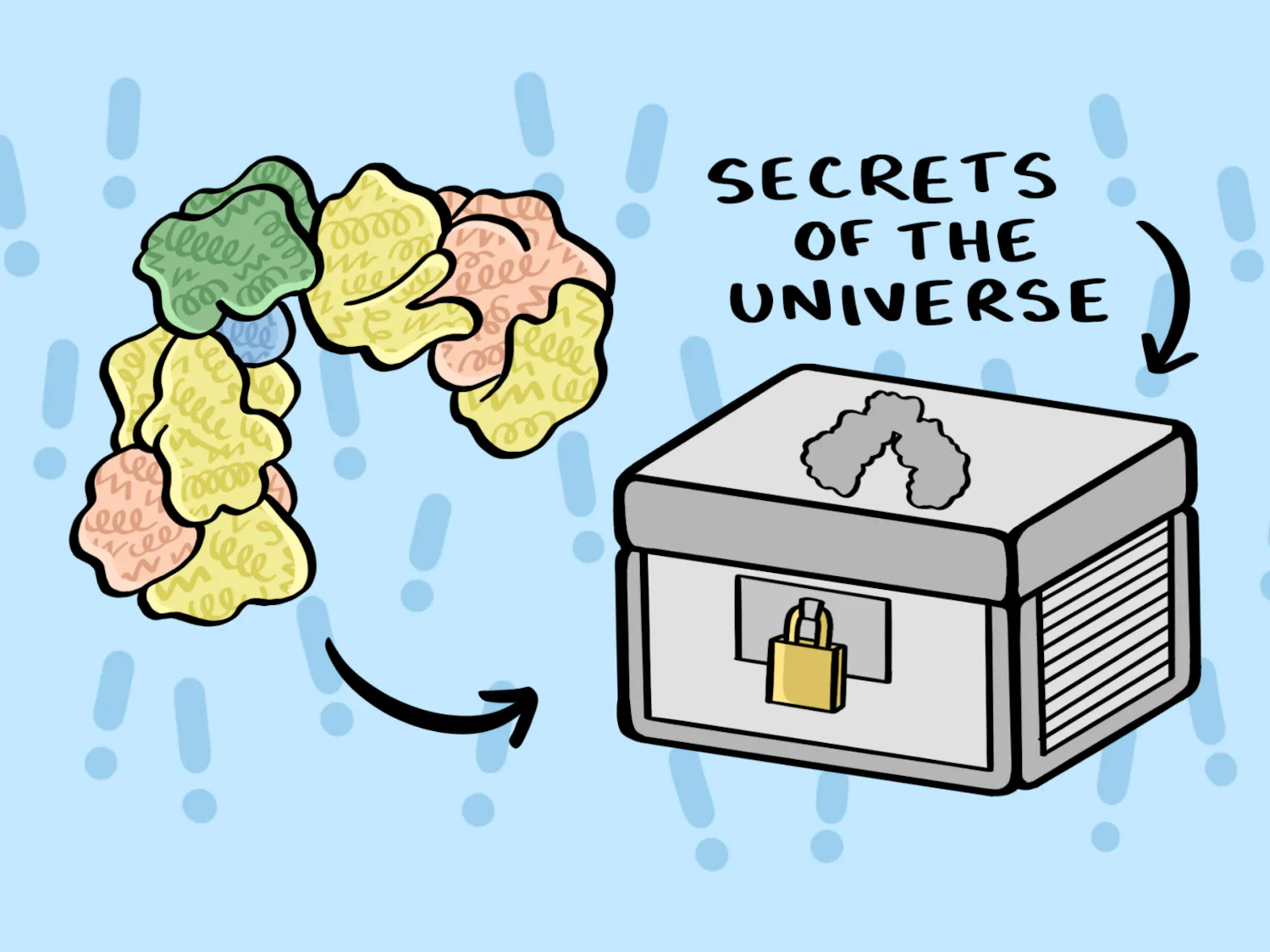
Reverse-engineering the billion-year-old enzyme nitrogenase clued researchers into how life originally formed on Earth — and how it could have on other planets.
 Read on Issuu
 Solutions by The State News