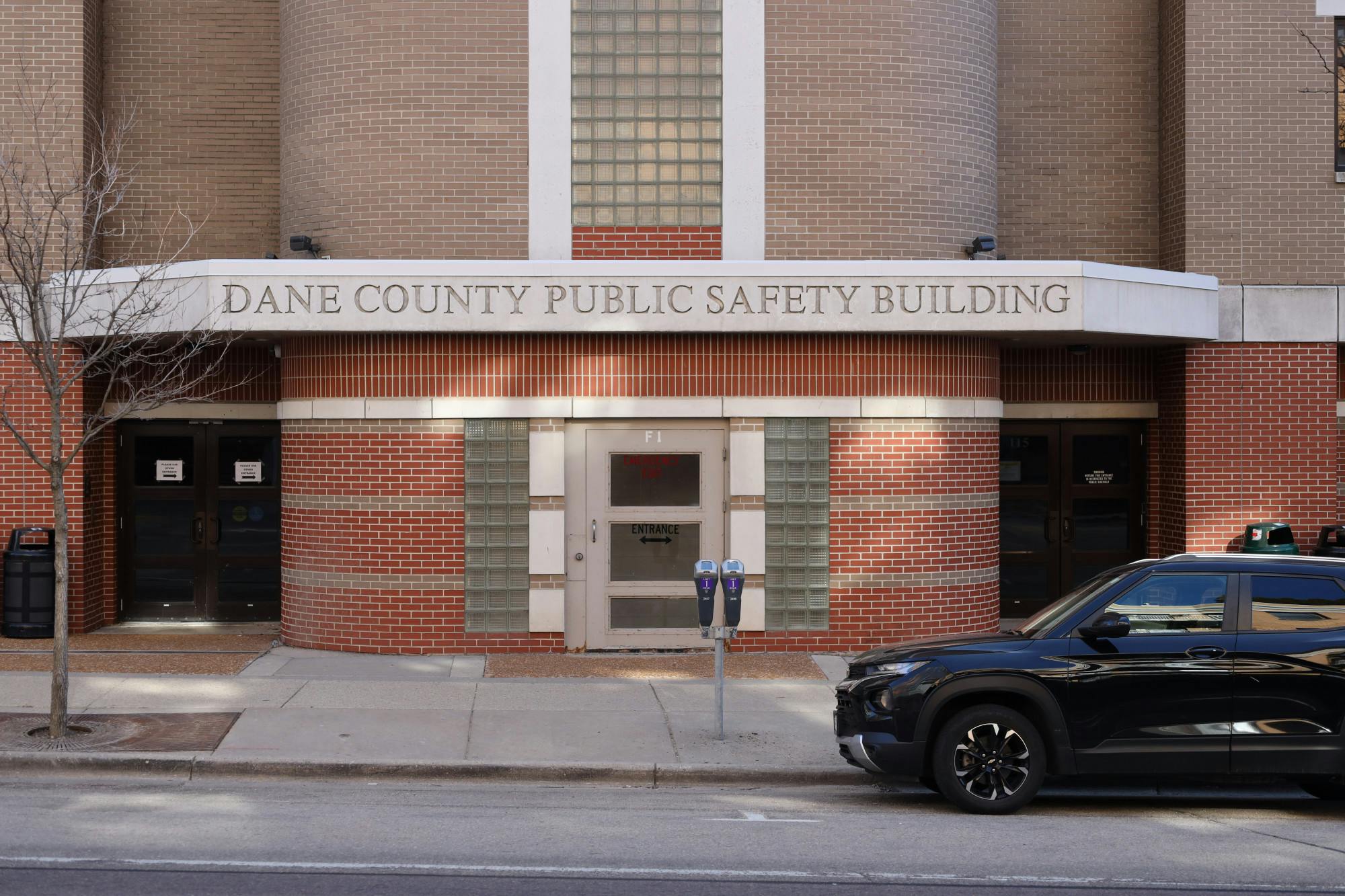
Dane County District 2 Supervisor Heidi Wegleitner introduced three budget amendments Oct. 11, one of which would eliminate $3 million in funding for Dane County Sheriff’s Office body-worn cameras, saying the county should hold off until clear, community-informed policies are in place.
The three amendments are separate proposals, with two specifically intended to free up revenue for housing-related services in the City of Madison’s operating budget and the other pausing funds for body-worn cameras from the City’s capital budget.
Wegleitner told The Daily Cardinal the proposal is not an outright rejection of body-worn cameras but a call to establish how the technology would be used, who would have access to recordings and how the footage would be stored before the county commits funding.
“Really it’s about just kind of pressing pause on this initiative until we get more community input and strong privacy protections and public access policies and procedures, record retention,” Wegleitner told the Cardinal.
County Executive Melissa Agard proposed the $3 million investment as part of her 2027 executive budget, which totals more than $900 million. The money would fund 200 cameras along with the equipment, hardware and software needed to run them.
Madison Police Department also announced an accelerated plan to deploy body-worn cameras within their force, after receiving a $350,000 community grant. The original plan forecasted the cameras to be deployed within three years, but now they are set to be used by the force by the end of 2027.
Wegleitner introduced the proposed amendments ahead of the Public Protection and Judiciary Committee’s Oct. 13 meeting, saying existing recommendations for camera policies are not binding and do not guarantee adequate safeguards.
“The only way we can assure there are strong policies and procedures is to have a good community input process and strong policies adopted before funding for the cameras is authorized,” Wegleitner wrote in an Oct. 11 Facebook post.
Separate push for housing funds
Two of the amendments target the sheriff’s operating budget.
The first operating amendment, co-sponsored by Supervisors Wegleitner and Brenda Yang, would eliminate three vacant deputy positions in the sheriff’s office, reducing expenditures by $493,754. The funding would support housing navigation and case management services provided by local nonprofits, including Urban Triage, the YWCA and The Road Home, according to Wegleitner’s post.
The second operating amendment, co-sponsored by Wegleitner, Supervisor Anthony Trucios and Supervisor Tommy Rylander, would eliminate $80,000 in funding for automatic license plate reader cameras to support services for people experiencing homelessness.
Wegleitner told the Cardinal the body camera amendment is separate from the housing push because the camera money is in the capital budget and not the operating budget.
“Eliminating the funding allocated in the executive budget for body-worn cameras does not have anything to do with freeing up money for housing or homeless services,” she said.
Delaying body-worn camera pursuit until set policies
The body-worn camera amendment, sponsored by Wegleitner, would remove the $3 million capital investment proposed in Agard’s 2027 budget. Agard and Sheriff Kalvin Barrett announced the proposed investment Oct. 8, describing it as a way to strengthen public safety, transparency and accountability.
Wegleitner said the county should delay the body camera initiative until the sheriff’s office develops clear policies on privacy, public access to recordings, record retention and the use of artificial intelligence.
“I think the cameras are a tool,” Wegleitner said. “If there is fair access to that tool, and adequate policy, strong policies and procedures in place, I think that tool can potentially help lead to greater transparency and accountability. If those things are not in place, it could lead to more harm.”
Wegleitner said the county board of supervisors cannot require the sheriff, a constitutional officer under the Wisconsin Constitution, to adopt policies or hold community listening sessions. The board’s authority over the initiative primarily rests with approving funding and a subsequent contract with a camera vendor.
Wegleitner pointed to a draft policy from August 2024 for a body-worn camera pilot program in the West Precinct, saying the document raises questions about record retention, deputy compliance, training and whether footage has been used in complaint investigations. She also questioned how artificial intelligence could be used in the proposed camera technology, including whether it could generate police reports or provide reliable language translation.
Wegleitner said a meaningful community engagement process could take several months and should include opportunities for residents to comment on draft policies before their formal adoption.
“I don’t think it’s something you can do in one month,” Wegleitner said. “There’s too many complex issues here.”
Wegleitner said she and her colleagues would be willing to reconsider the funding through a budget amendment in 2027 if the sheriff’s office conducts a public engagement process and develops policies for community review. She said the goal is to ensure that body-worn cameras promote accountability without compromising civil liberties.
“I want to make sure it happens, and that’s why I think we should wait on the funding until it does,” Wegleitner said.
Ted Hyngstrom contributed to this report.