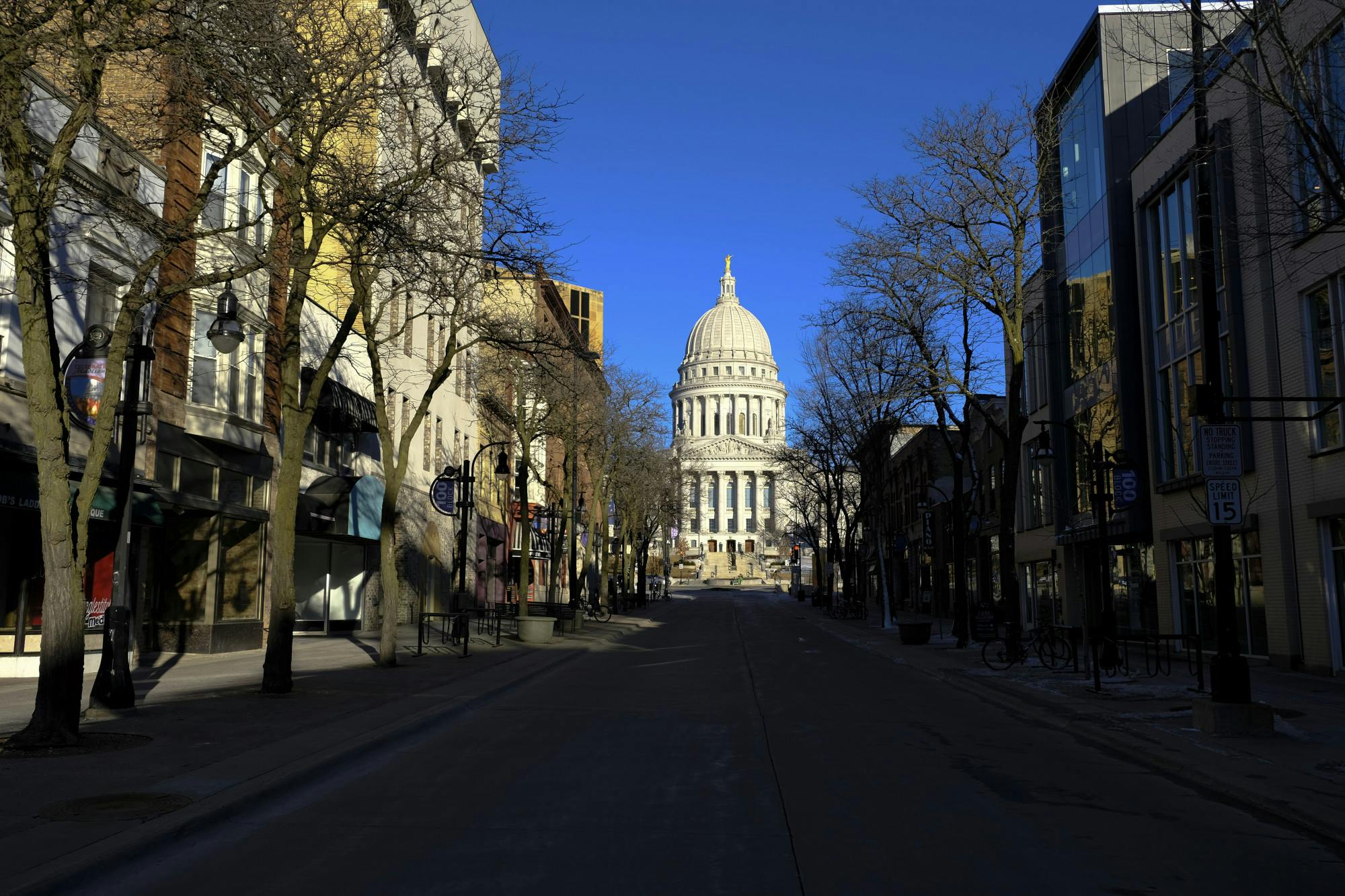
Growing up in Madison, Freshman Nina Geerdink has countless memories of going downtown to visit State Street. One of the most exciting parts for her was the road’s constant energy, and feeling like “there was never a dull moment.”
“Part of the reason why I chose to go here is because of the great memories I created going downtown," Geerdink told The Daily Cardinal.
State Street is widely regarded as the busiest pedestrian street in Wisconsin, according to PedBikeInfo, a site funded by the U.S. Department of Transportation Federal Highway Administration. There were over 9.6 million visitors in the 2024-2025 fiscal year alone, a number that has increased fivefold since the COVID-19 pandemic, according to the 2025 State of Downtown Madison report.
More than six and a half years have passed since the lockdown began, but the pandemic left thousands of small businesses in limbo, especially on State Street, where 31 local businesses permanently closed their doors through the summer of 2020.
A significant spike in visitors from pre-COVID numbers and a heavier reliance on student business are behind a series of changes to the State Street we know and love, Madison Historian Stu Levitan told the Cardinal.
In the last ten years, there has been a rapid increase in high-rise buildings on State, which can be partially attributed to the influx of students coming to the University of Wisconsin-Madison and higher demand for off-campus housing, according to a 2026 Goodman Community Center press release.
The sudden shift towards high-rises has forced many long-term tenants out, including B-Side Records, a record and CD shop whose roots on State Street go back to 1982, according to Owner Steve Manley.
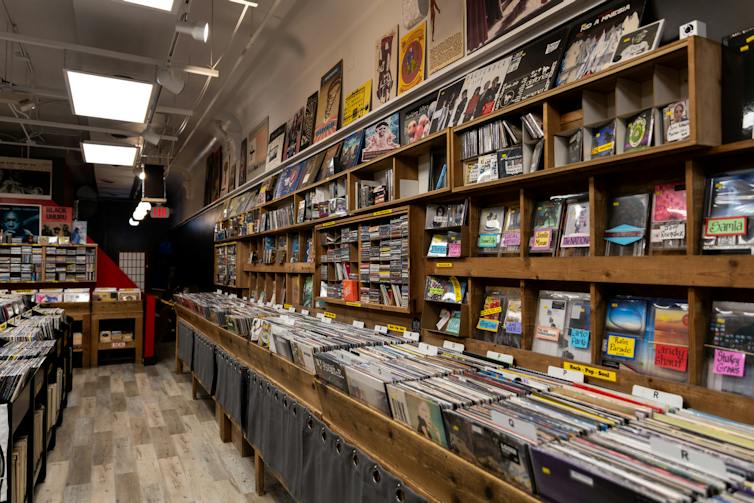
In 2022, B-Side was forced to move to a new location after the landlord of their previous building began the demolition process to build a high-rise condominium complex. Freedom Skate Shop, which had been open on State Street for 28 years, was in the same building and was forced to move as well, Owner Geoff Kovsky told the Cardinal.
“What comes with a lot of these high-rises are more bars and restaurants, which takes away from viable small space for retail, mom-and-pop shops and [other] smaller locally owned restaurants,” Kovsky said. “A lot of these high-rises [have] super high cost permits so small businesses can't afford to pay them, so you see more Popeyes, Raising Cane's, big places like that.”
When State Street was originally founded in the 1920s, it was designed as a shopping hub populated with department stores to serve the entire community, Levitan said. Today, however, it has transformed into a much more student-focused space, with trendy bars and restaurants making up a little less than half of the total storefronts today.
Part of the retail abandonment may have to do with a growing university population, who might be more likely to support “t-shirt shops” than a high-end clothing store, according to Levitan.
Although this strategy might work well for the young, transient crowd, it seems to be pushing more locals away.
“It really needs to appeal to the entire community,” Levitan said. “It can't be seen as just ‘Oh, that's where the students go,’ because then it will lose support within the city council, and it will lose support from the business community, and it will lose support from the rest of the city.”
While it is true that fewer locals are choosing to make the trip to State Street, it is also true that many consumers who were a “given” before –– especially those who work in the Capitol –– are no longer choosing to come down for work, Levitan said.
“COVID is depopulating the downtown, offices aren't full anymore and the daytime economy is so dependent on state office workers, but also law firms and insurance companies,” Levitan said. ”If those workers are working from home, they're not coming downtown, they're not eating lunch, they're not going shopping.”
With two luxury apartment projects currently in the works, the future of State Street is still in flux.
“It's the most important street in Wisconsin,” Levitan said. “It connects our two greatest and most important institutions, and it should have an ongoing vitality and an ongoing vibrancy and mix of consumers.”