“Want to hang out?” rarely means just that anymore.
Usually, it means: Want to get coffee? Want to get dinner? Want to go shopping? Want to take a workout class? Maybe go to a farmers market, where somehow a casual afternoon ends with an $8 drink in your hand.
Apparently, two people can no longer sit in the same place and talk without an activity attached.
There is nothing wrong with any of these activities. A coffee shop can be a great place to catch up with a friend, and restaurants hold some of our dearest heart-to-heart conversations. But once you start paying attention, it becomes hard not to notice how many of our default answers to “where should we go?” imply spending money.
Somewhere along the way, spending money stopped being something that might happen while hanging out and started becoming the hangout itself. The problem is not that friendship costs money, but so many of the places that make friendship easy do.
This especially matters at a time when Americans are already spending less time together. According to the U.S. Bureau of Labor Statistics, 38% of Americans spent time socializing or communicating on an average day in 2014. By 2024, that number had fallen to 30%. The average time spent socializing per day also dropped from 43 to 35 minutes.
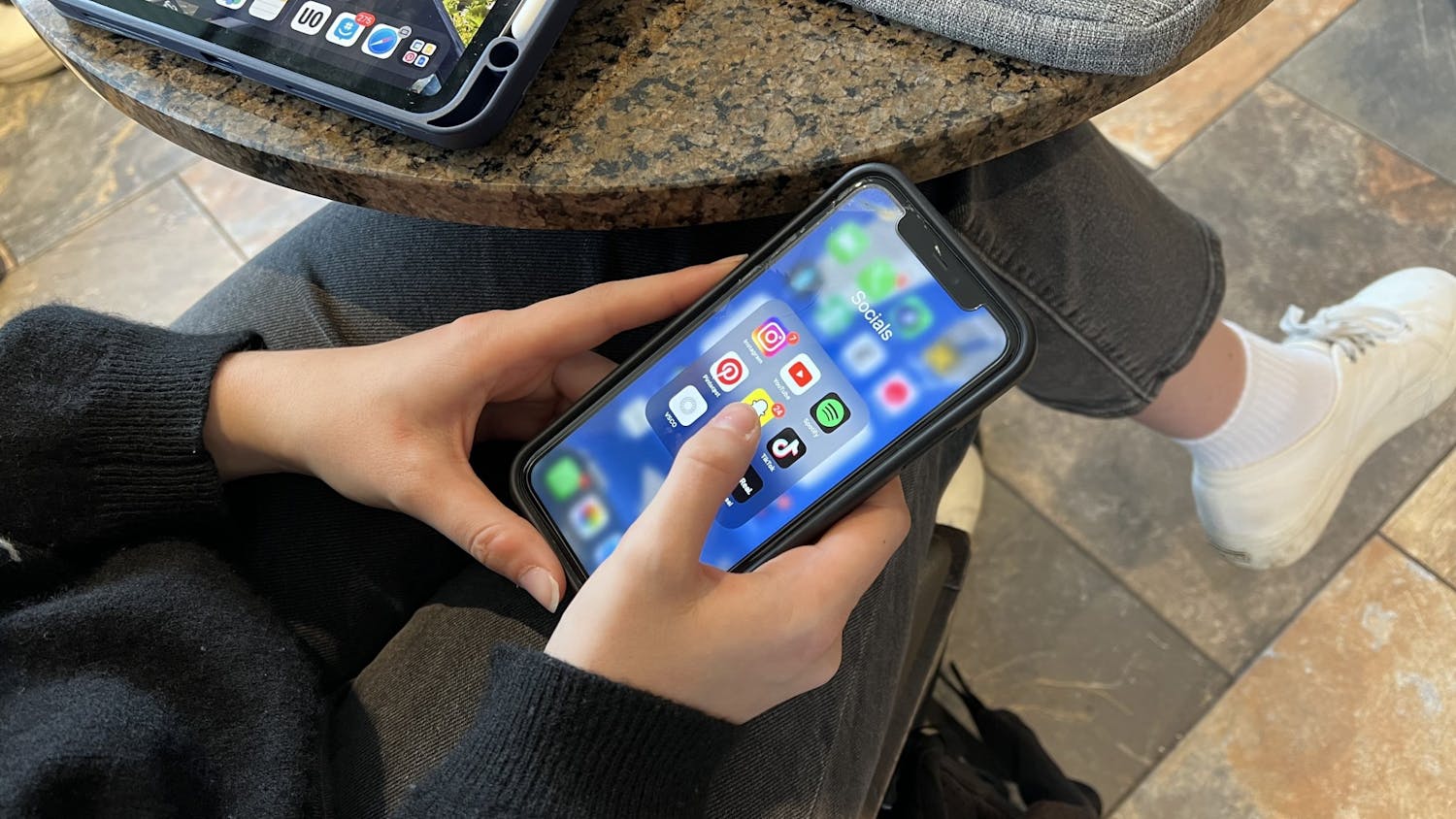
There are plenty of explanations for why we might be spending less time together — phones are an easy target. So are social media, remote work, busy schedules and lingering pandemic habits. The advice that follows is equally familiar: put down your phone. Join something. Make more of an effort.
But that skips over another question: where, exactly, are people supposed to go?
Sociologists have a term for the spaces outside home and work where people regularly gather: “third places.” They include libraries, parks, community centers, coffee shops, barbershops and other spaces where being around other people can become part of everyday life.What makes these places valuable is not simply that people can meet there, but that they reduce the amount of planning connection requires.
This is not just nostalgia for a world where people spent all afternoon at malls. Research suggests these spaces actually matter.
A study by Northwestern University researchers surveyed 313 young adults during the pandemic and looked at what happened as access to third places changed. Reductions in third-place visits were associated with declines in social connection, while dissatisfaction with alternative social spaces was associated with worse mental health outcomes.
In other words, physical spaces are not just backdrops to our relationships. Friendship happens between people, but it also happens somewhere, and increasingly, many of those “somewheres” are commercial.
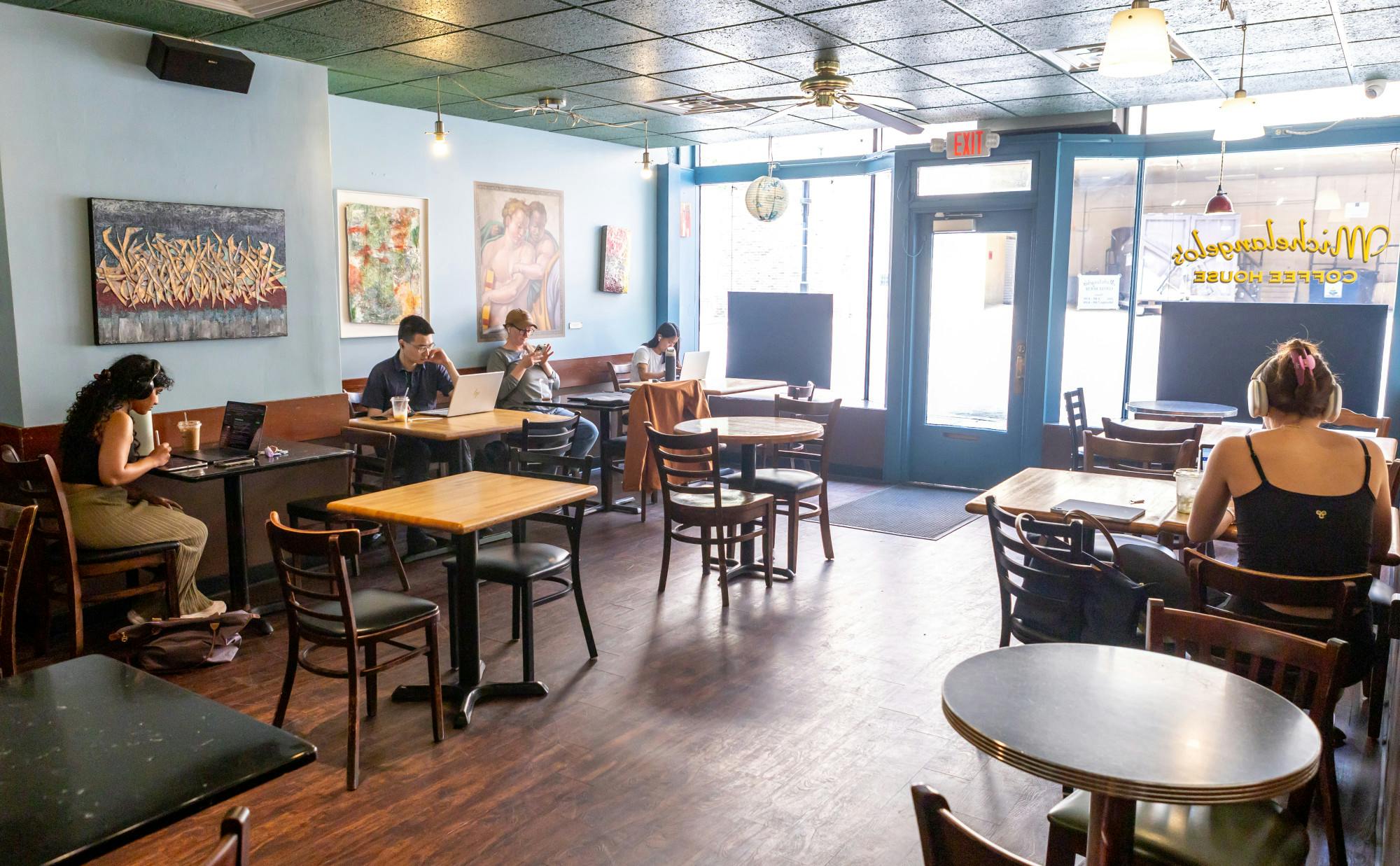
Coffee shops function as third places; so can restaurants, bars, gyms and entertainment venues. They give us somewhere comfortable to sit, something to do and a reason to gather. But unlike a park bench or library table, these spaces come with an unwritten condition.
Eventually, you are expected to buy something.
One $8 coffee is not a crisis.
But friendship is a practice.
It’s coffee on Tuesday, dinner on Friday, a workout class next week and someone suggesting brunch on Sunday. These are ordinary expenses on their own and together they create a quiet price of participation. But that price does not feel the same to everyone. For someone with disposable income, “Want to grab coffee?” is simply an invitation, but for someone without it, the same question can become a calculation.
How much have I already spent this week? Can I afford dinner too? If everyone orders something, can I comfortably say I am not hungry? If everyone gets a drink, is it weird if I just ask for water? If I say no again, will it start to seem like I just do not want to come?
Technically, nobody has excluded you. But eventually, saying “I can’t afford that” over and over can start looking a lot like saying “no,” and it’s hard to find countless excuses when you don’t feel comfortable talking about finances — that is where an $8 coffee stops being a joke about inflation and starts revealing something bigger about access to community.
The inequality is quiet because nobody charges admission to friendship. The admission fee is scattered across dozens of completely normal invitations. Access to the places where those invitations happen is already unequal.
A national study of third-place availability in the United States found major socioeconomic and geographic disparities in where these spaces are located. Higher neighborhood poverty rates were associated with fewer third places.The researchers also pointed out something important: having a third place nearby does not necessarily mean someone can actually access it. Cost and transportation create barriers of their own.
In other words, the people with the least money to spend on social life can also live in communities with fewer places to participate in it.
Of course, free ways to spend time together still exist. Go for a walk. Invite someone over. Sit in a park. Sometimes hanging out really can mean being somewhere for a few hours with absolutely nothing to accomplish.
Maybe we should do more of that.
Shreya Bhargava is a sophomore studying legal studies. Do you agree that monetary obligations make socializing more difficult? Send all comments to opinion@dailycardinal.com