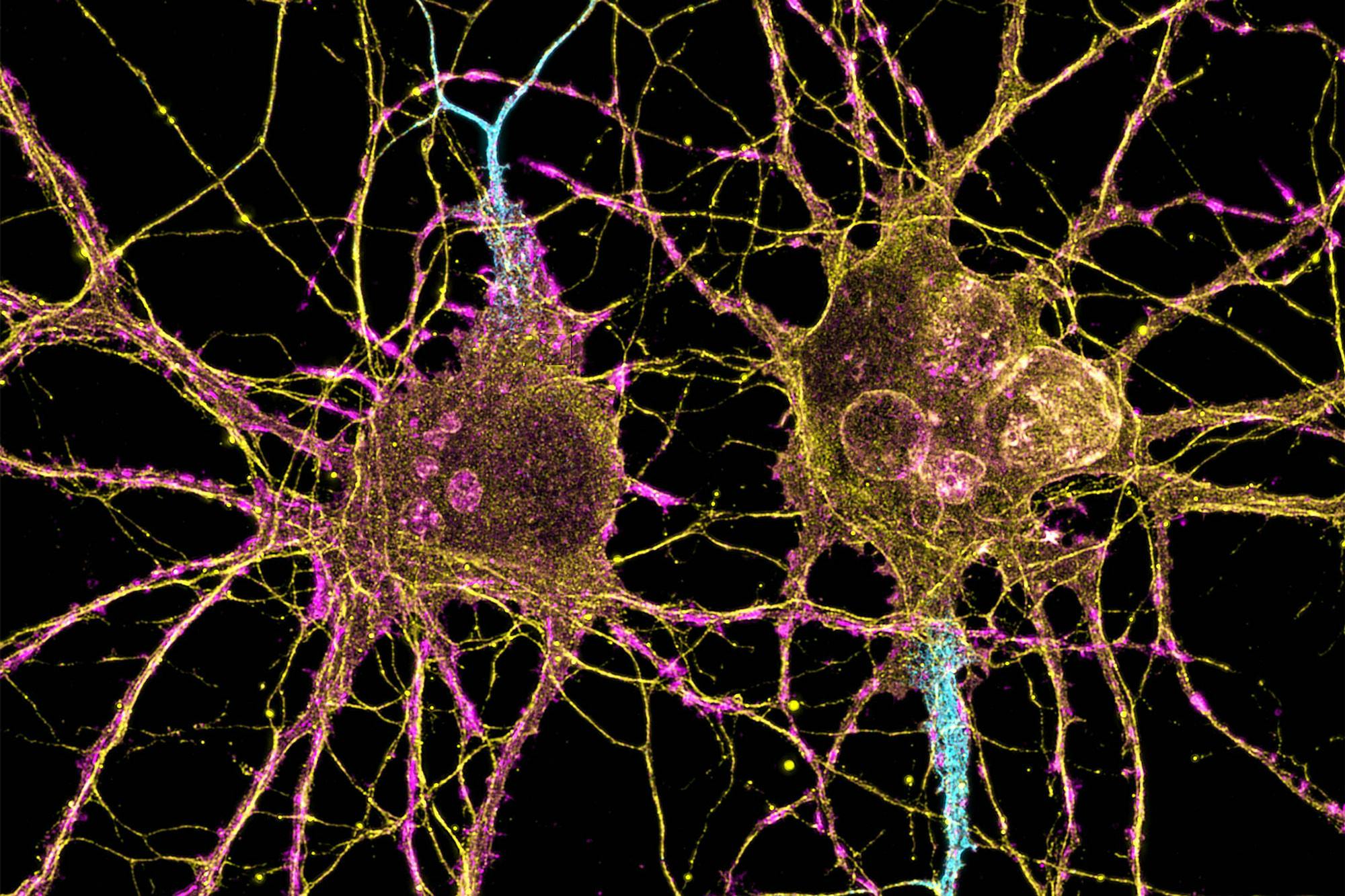
University of Wisconsin-Madison professors, Jane Paulsen and Michael Newton discovered that two proteins decline in the human brain as Huntington disease develops, furthering improvements for treatments of the disease.
Huntington’s disease (HD) is a rare, genetic disease that causes neurons in the brain to degenerate over time, affecting a person’s movement, cognition and overall quality of life.
Currently, there is no cure for the disease, which typically develops in patients in their 30s and 40s, but symptoms can be treated with different medications. Cases diagnosed in patients younger than 20 are considered juvenile Huntington’s disease and account for 5-10% of all cases.
HD targets brain regions responsible for voluntary movement, with most patients experiencing movement disorders as the disease progresses. Some symptoms include involuntary eye and limb movements, clumsiness and rigidity. Over time, people with HD may also have difficulty swallowing, eating, speaking and walking.
Paulsen and Newton analyzed a 2002 data set, PREDICT-HD, one of the largest studies ever conducted of early HD — a stage of the disease where patients carry the HD gene and are showing subtle symptoms, but not enough to fully diagnose
This study monitored more than 1,100 people who carry the HD gene but had not shown distinct symptoms. Research participants participated in neurological exams, magnetic resonance imaging brain scans and cognitive testing.
Paulden and Newton also analyzed cerebrospinal fluid, which is colorless fluid that cushions the brain and spinal cord, and can provide information on neurological change. Of the participants tracked in the data, over 250 developed the disease, allowing researchers to compare and contrast early HD symptoms more commonly known and new detections of HD from changing proteins discovered in this study.
By combining Newton’s statistical skills with Paulsen’s clinical expertise in Huntington’s disease, the two identified patterns within the data that showed proteins calmodulin and Huntingtin-Associated Protein 1 (HAP1) decline as the disease develops in the brain.
Calmodulin is crucial for cell function and HAP1 is involved in trafficking and intercellular transport. Knowing when these proteins start to decline in functionality allows doctors to make timelines for disease onset and help patients track symptoms.
By identifying these affected proteins earlier, researchers and doctors can make proactive plans to improve quality of life for those affected by HD before symptoms progress further.
Now, researchers are scouting gene-based approaches and molecular treatments aimed at slowing down changes in the brain due to HD. Huntington’s disease research can be applied to other incurable cognitive diseases like Alzheimer's, Dementia and Parkinson’s to get more answers on other neurological conditions.