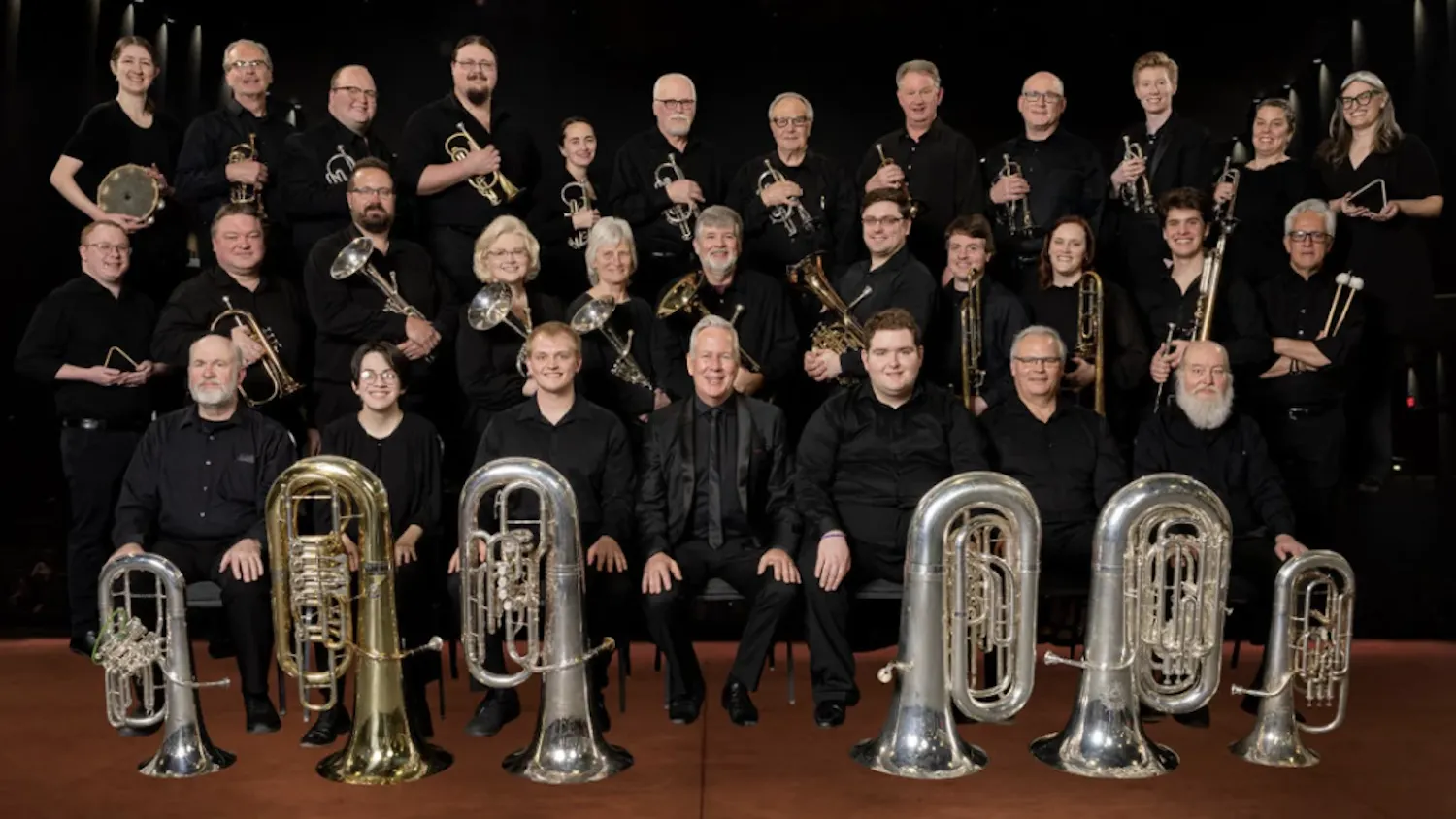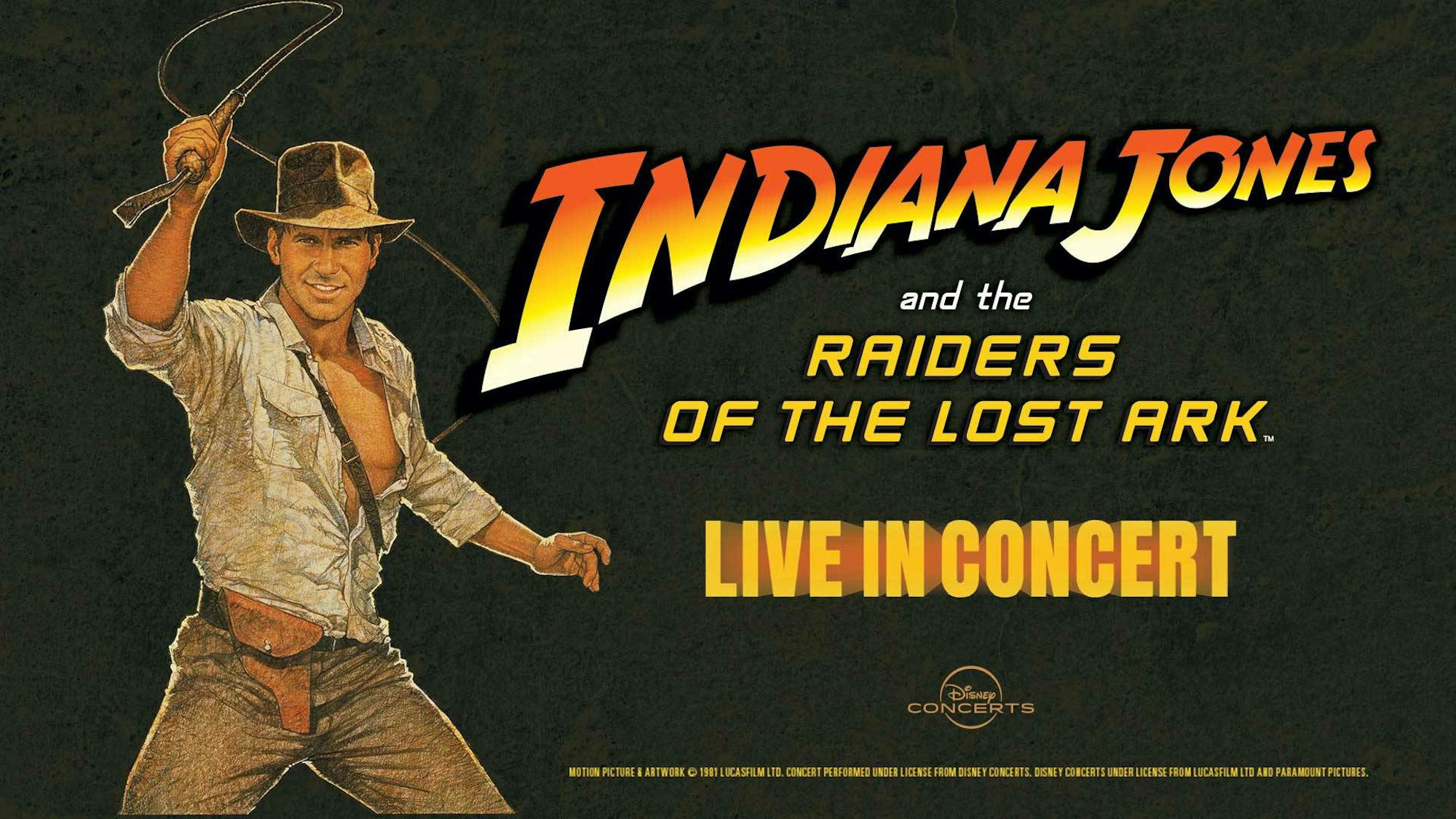
Fans of all ages gathered to watch the Madison Symphony Orchestra live score “Indiana Jones and the Raiders of the Lost Ark” at Overture Center on March 28, inviting viewers on an adventure with the film's famed archeologist.
“Indiana Jones and the Raiders of the Lost Ark” is arguably the most beloved Indy adventure. The movie wastes no time putting viewers in the middle of the action, guided by hunky Harrison Ford as an experienced globe-trotter who isn’t afraid to get his hands dirty. As this academic searches for a biblical MacGuffin, beats up Nazis and finds love in an old flame, the orchestra sucked me in for every second.
For most of the film, I forgot the orchestra was there. It was almost perfectly synced with the picture. If there were any accidents, I didn’t notice, because the older film allowed for more imperfections. This was a good thing, especially in an era where computers are attempting to make everything perfect. It was nice to see human effort, and sometimes error, add to the experience.
I had a cathartic reaction watching the film this year. World politics play a factor in the plot as Indy races against Nazis to find The Ark, but academic collaboration takes a front seat. Jones is as comfortable in a classroom as he makes a fool of fascists.
There is always room for Indiana Jones in our lives. The films are classic Americana. There are clear good guys and bad guys. Education is held above pride and rewards. Even though Jones physically triumphs over tombs, snakes and Nazis, his brain and knack for history carry him through the adventure.
As fascism echoes through the American psyche today, Indiana Jones is a reminder that the American ideal is rooted in camaraderie. Jones shows what travelling the world should look like —– meeting locals and sharing a meal. He provides the blueprint for joining forces with those who may not look like us, all while having a triumphant score accompany him as he rides into the sunset.
The timeless score, written by John Williams, replayed in my head even as I left the theater. Interestingly enough, the notes closely associated with Indiana Jones are barely featured throughout the film. The majority of the score is musical cues to let the audience in on the character’s emotional beats and moments. With a live orchestra, these small character moments stood out more. It was almost as if the conductor was letting us take a peek into the minds of Marion Ravenwood (Karen Allen) and Indy (Ford).
The orchestra was able to convey that a movie score is not meant to stand on its own, but instead supports the narrative. There may be songs I remember and listen to while studying, but I only enjoy those songs because of the narrative moments they support. The music was guiding the audience like a séance, allowing us to get wrapped up in the escapades of Indiana Jones.
The music made every victory feel important. Even when the odds seemed against him, Jones used his knowledge and charm to get out of a bind. It was inspiring to see someone push back against a global superpower using his own talents. Every punch and every discovery felt like a win when punctuated with a staccato from the orchestra.
The music served as the film’s narrator. Each note and medley was so dynamic that it felt intertwined with the film. The fact the orchestra was performing separately was even more impressive. Almost every cue, I heard a new instrument, from a xylophone during chase or a horn during explosions.
Of course, the stand-out moments were when the famous Indiana Jones theme was fully unleashed. It was restrained for most of the film, allowing these beats to fill the auditorium when they arrived. Just the physical work of the violins and horns playing the song made the orchestra look like it was on a pulp adventure of its own. It was as flashy as the onscreen action.
Cameron Schneider is the video director of The Daily Cardinal. He previously served as photo editor, and writes for the state and art desks as a staff writer.