Madison Public Library (MPL) has provided free native prairie and gardening seeds to the Madison community for over a decade as a part of a seasonal program in the winter and spring.
The program, called Seed Library, began in 2014 and distributes approximately 50,000 garden, native plant and produce seed packets annually to the Madison community, according to Rachel Davidson, Sequoya Library’s Community Engagement Librarian.
MPL offers the Seed Library at eight of its nine locations — all except Madison Central Library.
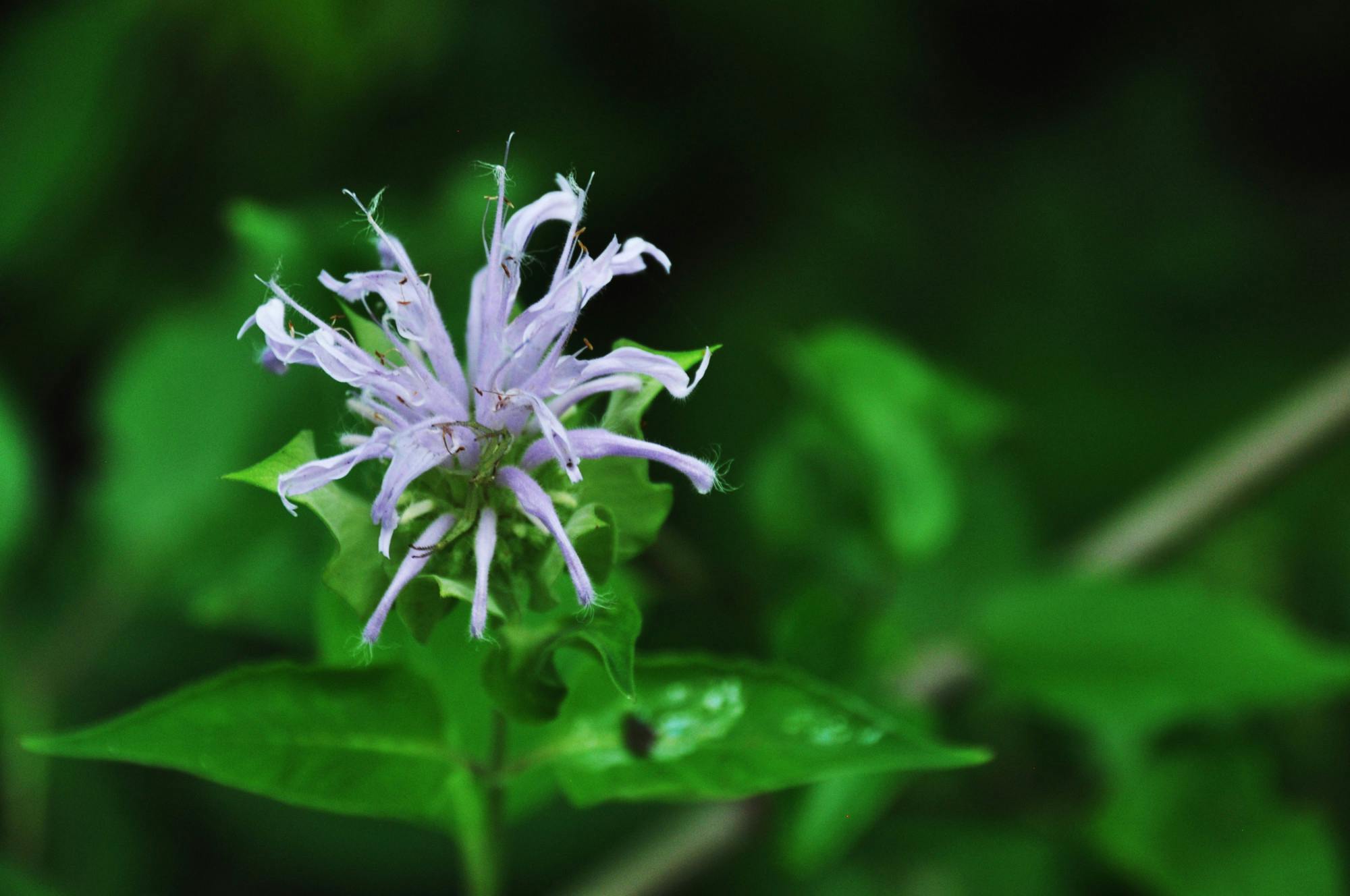
The Seed Library operates in two seasonal phases. Phase one occurs in December or January, depending on the year. MPL distributes native prairie seeds supplied by the Dane County Land and Water Resources Department. These seeds include species such as wild bergamot, butterfly weed and bottlebrush grass.
Phase two starts in March when MPL transitions to garden Seed Libraries, which include vegetables, herbs, tomatoes and flowers. Garden seed suppliers are larger and remain available longer than the native seed collections because MPL can purchase them wholesale.
According to Davidson, the library system typically purchases seeds from Fedco and AP Whaley. They also receive donated seed varieties through AP Whaley’s Seed Cycle program that provides seeds to non-profit organizations.
Community volunteers and the Dane County Land and Water Resources Department package the thousands of seed packets. At Sequoya Library last year, 55 volunteers packaged 8,400 individual seed envelopes over the span of two volunteer events. This year, Davidson said Sequoya will hold three volunteer events since demand is expected to increase.
But Davidson told the Cardinal the Seed Library is about more than just gardening.
“In addition to food access, sustainability and climate resilience, I think there's also an element of personal and community empowerment,” Davidson said. “Climate change and lack of food access can make people feel powerless, and growing your own crops — however small, and whether in a personal plot or community garden — helps to counteract that.”
Beyond the usual books and computers, Davidson said libraries are meant to be community resource centers, from children’s storytimes to attending a community class, that serve all Madison residents, even those without a library card.
“Libraries are for everyone, and that doesn't just mean people from diverse backgrounds or of diverse identities, although it means that, too; it also means people with diverse interests and needs,” Davidson said.
Liz Boyd, MPL’s Digital Services & Marketing Manager, told the Cardinal the Seed Library is one of the most popular things they do at the libraries. Alongside the free seeds, she said several MPL branches also host gardening classes and design workshops that explain exactly what first-time gardeners will need.
“Parents and caregivers can use these seeds to grow with their children,” Davidson said. “They can pass down their gardening knowledge, or learn it together. Community members can grow produce and share it with their neighbors, strengthening community ties.”
Madison residents do not need a library card to pick up seeds or attend workshops. However, MPL asks households to only take one packet of native seeds, a rule that does not apply to March’s garden seeds due to a much higher supply, Boyd said.
The Sequoya and Pinney branches ran out of seeds as of Jan. 14, about three weeks after the launch, according to Boyd. She said they ran out of seeds again this year, despite starting with more seeds on hand.