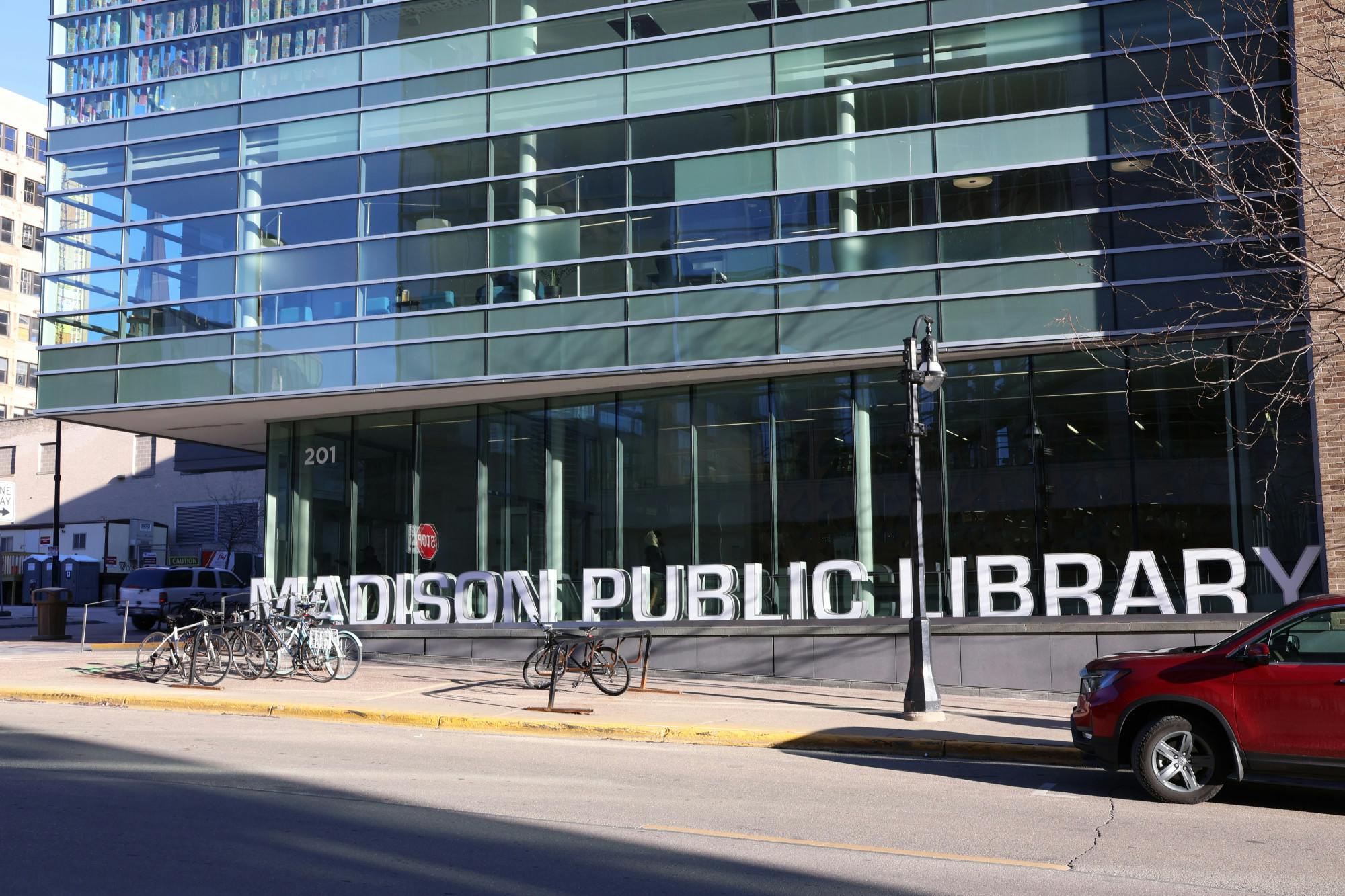
The Madison Public Library received $20,000 from Carnegie Corporation of New York as part of an effort refunding the 1,280 Carnegie libraries nationwide.
Madison’s Central Library and Hawthorne Library, both originally funded by Carnegie for $75,000 in 1902 and $15,000 in 1911, received $10,000 each.
Madison Public Library President Tana Elias expressed gratitude to the Carnegie Corporation's renewed commitment to supporting public libraries in an interview with The Daily Cardinal. “Funding at the federal level was threatened and is not yet fully secured for future years. It's more important than ever that private philanthropy invests in public institutions,” she said.
Elias told the Cardinal funds will likely expand collections, technology or programming, though plans have not been finalized.
Nearly a century after Carnegie’s initial $60 million of investment into the public library system, Madison’s libraries continue to be accessible and vital community centers.
For University of Wisconsin-Madison students, public libraries offer more than just books.
“Our libraries are quiet places to study, provide high-speed wifi access, and connect students to author events, art events, volunteer and work opportunities, and a wide collection of free resources,” Elias said, highlighting high student turnout at the Central and Monroe Street Libraries.
Public libraries offer lifelong value and community engagement.
“Once students graduate and no longer have access to campus libraries, public libraries will be there for those students throughout their lives… We hope they'll use those public libraries as they get jobs, have families, and continue to learn,” Elias said.
Madison libraries offer digital resources that many might not have access to, such as computers, printers and specialized tools like podcasting equipment. The Wisconsin's Digital Library also provides thousands of free e-books and audiobooks.
“We also have trained research professionals to guide people through research, helping them find good sources and think critically,” Elias said. “That’s more important today than ever.”
In addition to technology and research support, library patrons have access to over one million items, nearly 4,000 annual programs and voting opportunities.
“We are one of the few public spaces open to everyone, with free resources to improve your life through education, connection and entertainment,” Elias said. “We foster civic connection through opportunities to meet your neighbors, learn more about your communities and interact with local government.”