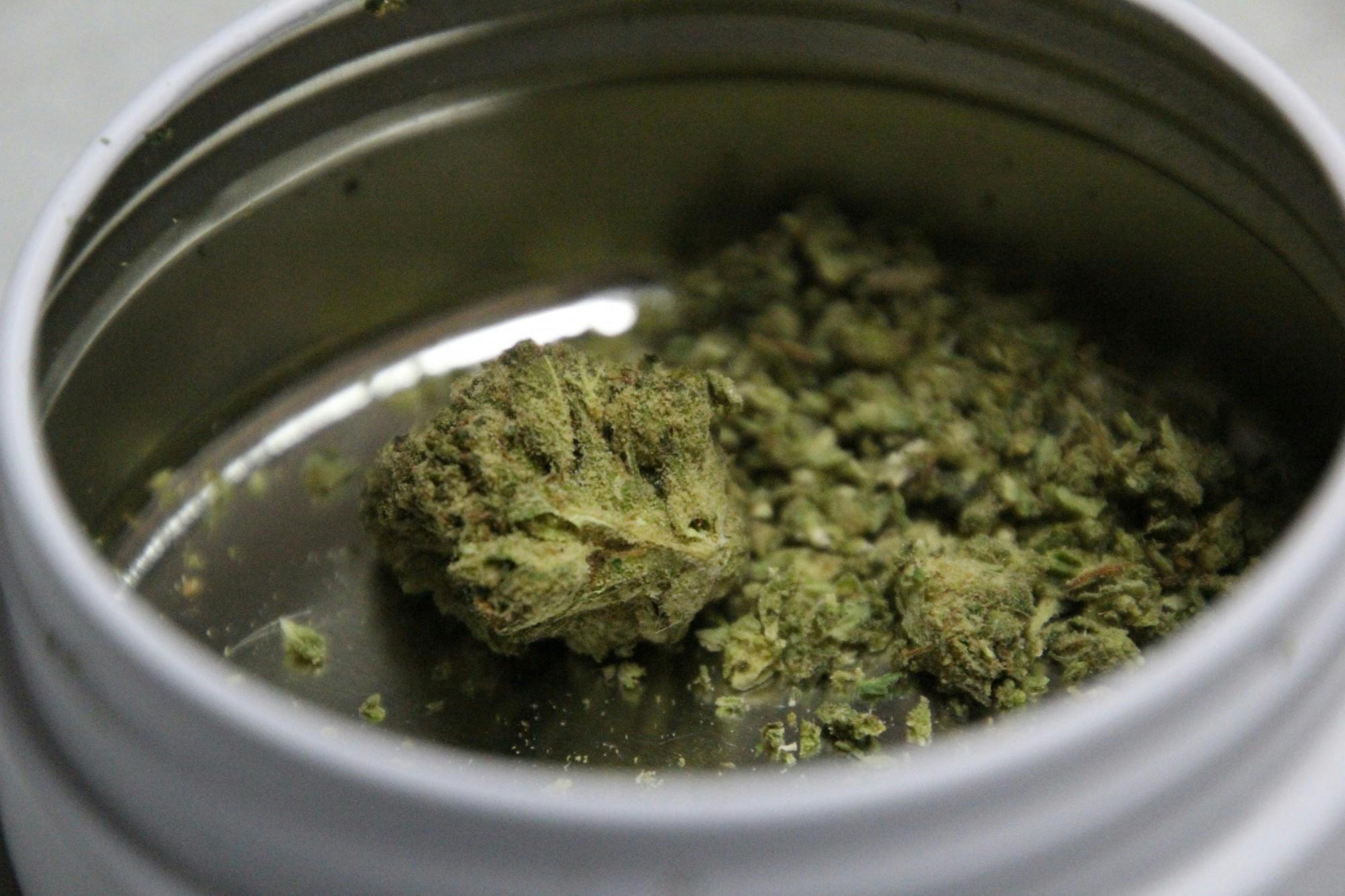
President Donald Trump signed an executive order on Dec. 18, 2025 lowering marijuana’s classification from a Schedule I to a Schedule III controlled substance, now legitimizing the drug for medical use.
While changing the drug classification does not directly impact state law, it directs the Department of Justice to take steps toward completing the rulemaking process for reclassification. With federal policy moving toward expanding medical access, Wisconsin Republican leaders say regulating THC is among their top priorities in the new year. How they plan to do that is still unclear.
“This is the first session we've ever seen Republicans with an appetite to regulate and formalize THC products; that is a huge shift,” a spokesperson for Sen. Latonya Johnson, D-Milwaukee, told The Daily Cardinal.
While some Republican lawmakers believe in closing the THC loophole created in the 2018 Farm Bill with others proposing the state legalize medical use and change how THC products are regulated.
“Wisconsinites have been sharing their concerns over Delta-8, Delta-9, and similar compounds not being regulated… To create a safer environment that allows for these types of substances to be used safely, we need proper channels for producing them,” Sen. Jesse James, R-Thorp, said in a statement to the Cardinal. “Since these items are out in the market anyway, we should have guidelines in place to ensure individuals receive products that are safe and vetted.”
Wisconsin is one of six states currently without THC regulations.
James supports a bill which creates a framework for regulating hemp-derived cannabis (HDC) products, similar to how alcoholic beverages are regulated. The bill establishes a three-tier system for manufacturers, distributors and retailers, requiring licenses at each stage.
The legislation also imposes THC limits based on product type. Beverages and edibles are capped at 20 mg of THC per serving, while inhalable products, such as cartridges, may not exceed 800 mg of THC. Municipalities cannot criminalize possession or personal use of HDC products in private residences, but they may regulate retail sales through local ordinances, such as restricting sales near schools or controlling which retailers may sell HDC products.
Democratic lawmakers have also introduced their own bills, one which seeks to regulate intoxicating hemp products focusing on consumer safety.
“In Milwaukee, there were kids who went to a gas station and purchased gummies, not knowing they were THC,” Johnson’s spokesperson said. “Some of them ended up hospitalized. Their parents wanted retribution, but there were no rules in place. It was perfectly legal for those children to buy these products.”
He also pointed to a lack of testing requirements for contaminants and THC levels.
“Consumers, anecdotally, have complained that they can drink a 25 milligram THC drink from one beverage provider, and feel nothing, and a 5 milligram drink from another beverage provider and feel completely stoned,” the spokesperson said. “We wanted to set some standards so that if you say there's 25 milligrams of THC, you need to show that that is the case.”
This bill aims to restrict youth access by establishing age limits for purchasing intoxicating hemp products and requiring independent lab testing, certificates of analysis and strict packaging and labeling standards to ensure that consumers know what they are buying and can use products safely. The packaging standards prevent cannabis products from appealing to children.
“We want legal cannabis, and if we're not going to agree on legal cannabis, then in the meantime, the very least we can do is put some basic rules in place so that kids aren't able to go to gas stations and buy cannabis products,” the spokesperson said.
While they may have different approaches to regulating HDC products, there is a growing bipartisan concern about standardizing hemp products in Wisconsin.