When Chancellor Jennifer Mnookin took over at the University of Wisconsin-Madison four years ago, she entered an unwinnable situation.
Republican legislators immediately criticized her as an out-of-touch coastal elite, and she was forced to handle many of the issues that would plague her term as chancellor — debates over anti-semitism and how campuses could support free speech while upholding an environment inclusive of all students.
She was thrust into a budget crisis as state funding continued to lag, the university faced the tail end of a decade-long tuition freeze and campus protests erupted over controversial conservative speakers.
None of those issues are any better today.
The university’s budget is in a more precarious position today. Wisconsin now ranks 44th in the nation in public higher education funding, continuing a long decline. The university has ordered academic departments and administrative units to make 5% and 7% cuts, respectively. Protests — and the university’s response to them — have grown more charged, and debates over “diversity of thought” and free speech remain far from settled.
In her first email to Columbia students, Mnookin wrote “moments like this demand, in my view, an urgent assertion of the role universities must play in civic life, a clear articulation of both our value and our values.”
In her time at UW, she was never that leader, but for the future of higher education, she’ll need to be.
When confronted with demands from Black students at a silent sit-in in May 2023, Mnookin seemed out of her depth. She appeared for just 20 minutes, delivering meandering remarks that failed to ease protesters' concerns or earn their faith in her ability to respond with urgency and moral clarity to a jarring video of a student using a racial slur.
After a nearly nine-month national search, Columbia has decided Mnookin embodies the response it wants to unprecedented challenges. She is entering a firestorm — no university has been more central to pro-Palestine activism or more directly targeted by the Trump administration than Columbia.
If Mnookin represents the best leadership Columbia can imagine for this moment, that is concerning and suggests administrators fundamentally misunderstand the traits required to confront today’s political landscape.
Mnookin frequently deployed a cautious, pragmatic approach to issues. When given time to think, she proved adept in her ability to choose the better of two bad options. But when forced to act decisively in the moment and directly address students, press or the public, Mnookin was an indecisive and distant advocate for the value of higher education and the Wisconsin Idea.
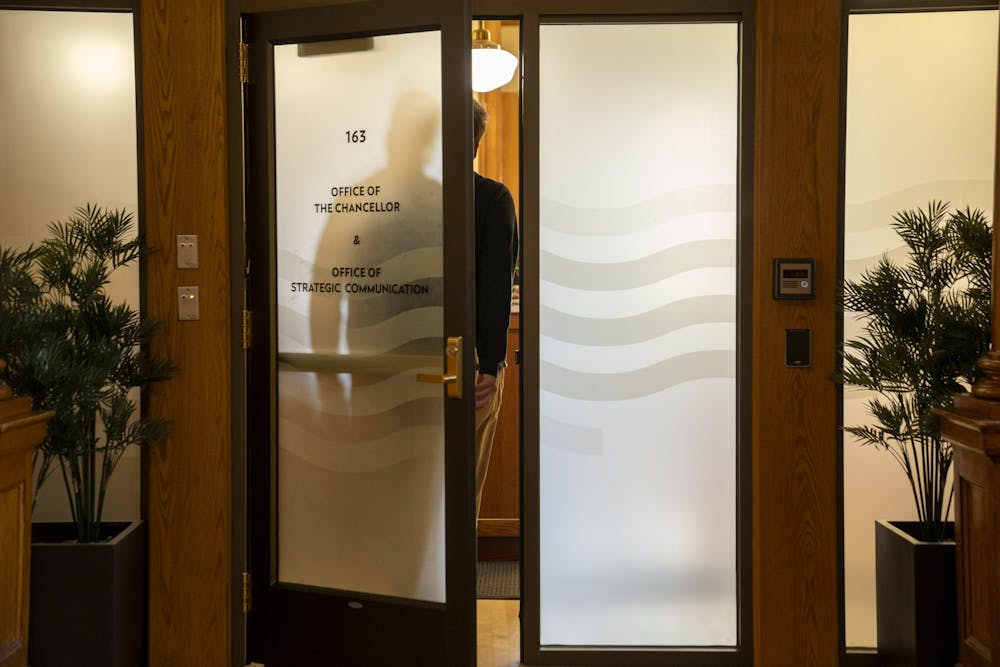
After extensive negotiations with Assembly Speaker Robin Vos and Wisconsin’s Republican-led Legislature, Mnookin chose to compromise campus DEI efforts to secure state funding for a much-needed engineering building in December 2023.
The deal came to be a defining one for Mnookin’s tenure, drawing criticism from campus figures for establishing a precedent of caving to political pressure instead of remaining principled.
And she won’t have an easier time at Columbia.
Trump presents a unique challenge for Mnookin in a way Vos doesn’t. Where Vos has a stake in the success of UW — the state’s largest employer and a significant cultural export — Trump doesn’t have the same relationship with Columbia. If Columbia faltered, it would only embolden his base and further his goal of remaking American institutions in his image.
Trump canceled $400 million in federal funding to Columbia, plans to deport student activist Mahmoud Khalil — a permanent U.S. resident — and launched investigations into anti-semitism. Columbia settled, notably paying $200 million and adopting the International Holocaust Remembrance Alliance definition of anti-semitism.
That confrontation sets the context for why comparisons to UW only go so far.
Columbia was square one for the kind of protests UW-Madison students replicated weeks later. But the similarities end there.
Columbia’s pro-Palestine movement is militant, organized and effective. Columbia students barricaded academic buildings, organized walkouts and drew national speakers and activists to campus. UW-Madison’s protests turned into a large outdoor hangout, in no way a serious threat to campus safety.
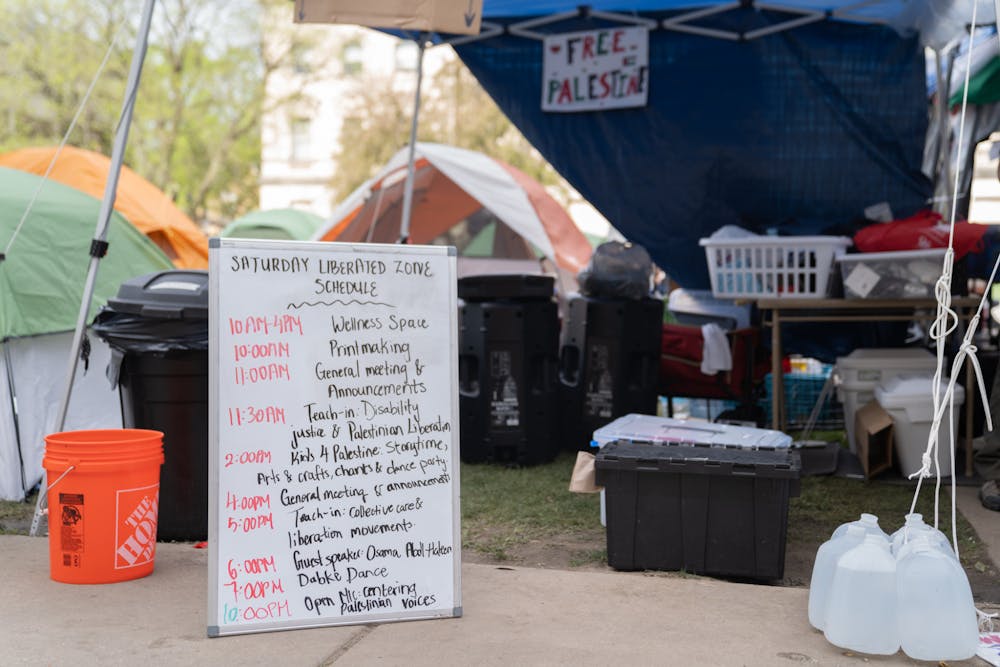
With the hindsight to know police intervention only strengthened the resolve of protesters at universities across the country who had earlier encampments, Mnookin still sent in campus police to raid the encampment. The police left two tents standing, and within hours, the encampment was built back larger. In fact, it was her colleague at the University of Wisconsin-Milwaukee, former chancellor Mark Mone, who successfully negotiated an end to his campus’ encampment without police intervention, not Mnookin.
When Mnookin later negotiated with protesters after the raid, she successfully convinced them to sign a deal that one negotiator admitted did not meet any of their demands. More principled and effective leaders, the likes of which led Columbia’s movement, would have never agreed to the deal UW’s protesters did.
And throughout the encampment, Mnookin stumbled in her public statements, evoking Martin Luther King Jr. and flawed interpretations of ‘civil disobedience’ while failing to dictate why exactly she authorized campus police to endanger the students and faculty they were established to protect.
The encampment revealed more than a single lapse in judgment.
Mnookin’s willingness to compromise with state Republicans came to define her approach to UW’s challenges more broadly. She launched a center focused on free speech and expression, a move that implicitly validated Republican claims that UW lacked ideological diversity.
The decision reflected a broader belief that compromise could preserve the university’s standing and protect it from political attack. Instead, it ingratiated Mnookin to a Republican agenda fundamentally at odds with the purpose of public higher education.
If the core mission of higher education — academic freedom, institutional independence and the pursuit of knowledge — is incompatible with Republican efforts to remake American universities, it raises a deeper question: whether there is any real “winning” to be had by caving to political demands at all, whether from Trump or Vos.