Wisconsin politicians decry Franken, Moore
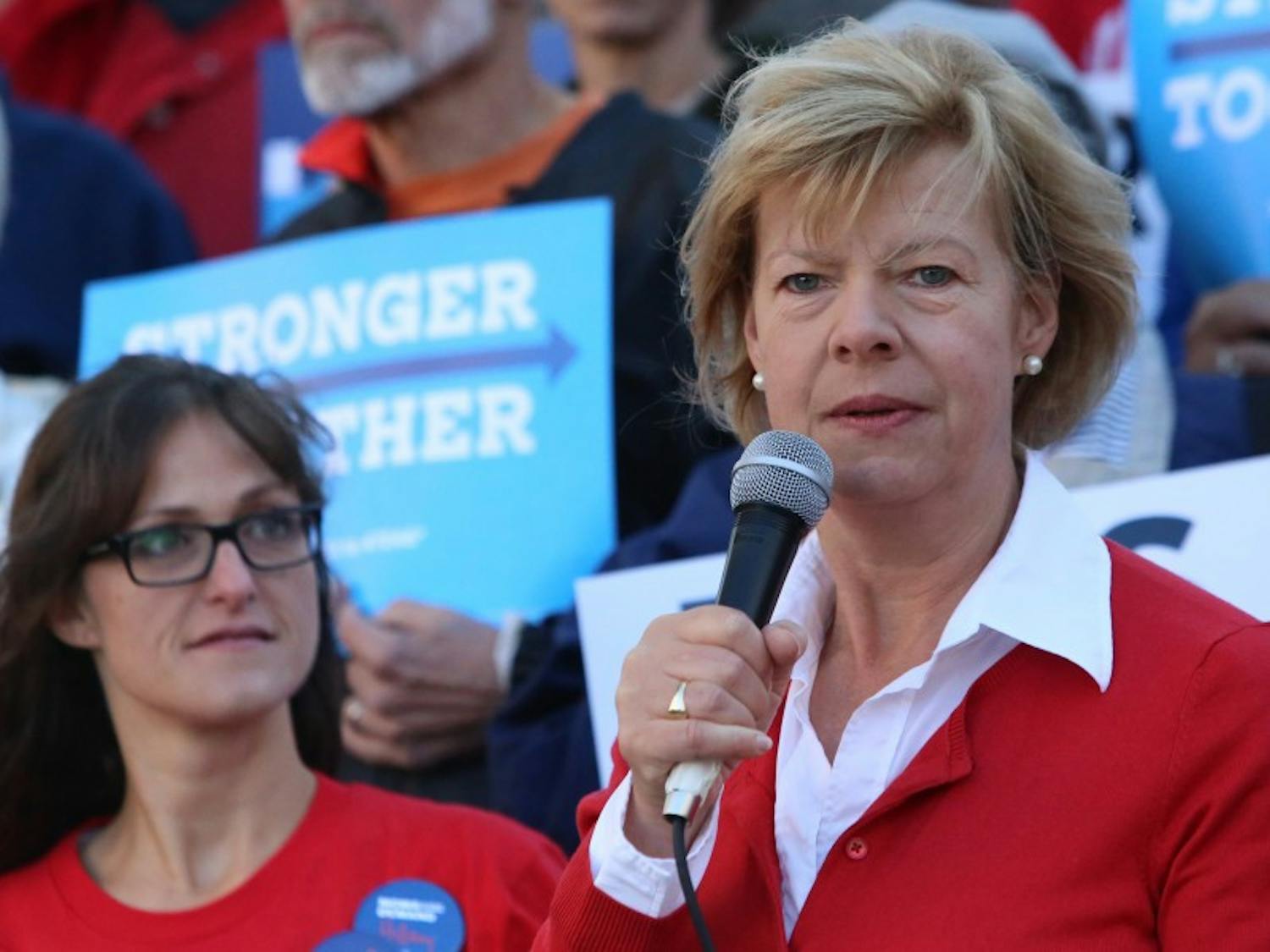
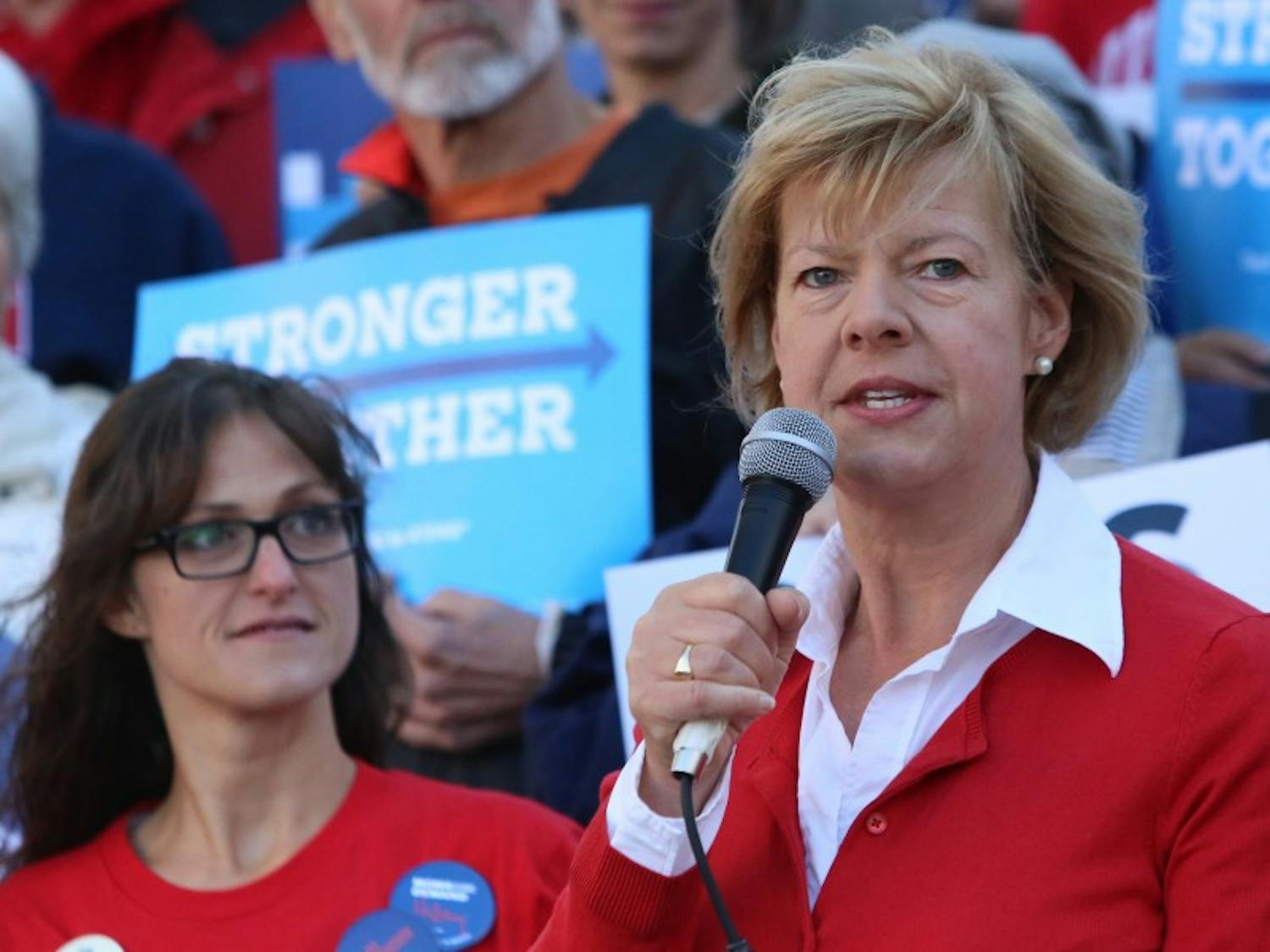
By Lilly Price | Nov. 16, 2017Wisconsin’s U.S. Sens. Tammy Baldwin and Ron Johnson have denounced two political figures who have been accused of sexual harassment in two separate incidents this month. U.S.
Wisconsin’s U.S. Sens. Tammy Baldwin and Ron Johnson have denounced two political figures who have been accused of sexual harassment in two separate incidents this month. U.S.
Over 110,000 people in Wisconsin are living with Alzheimer’s disease, the most common type of dementia. While there is no cure and the number of people suffering from the disease is only expected to increase, researchers at UW are pushing to help ease the burden the cognitive disease causes. Wisconsin lawmakers have been hard at work proposing legislation to help those with Alzheimer’s.
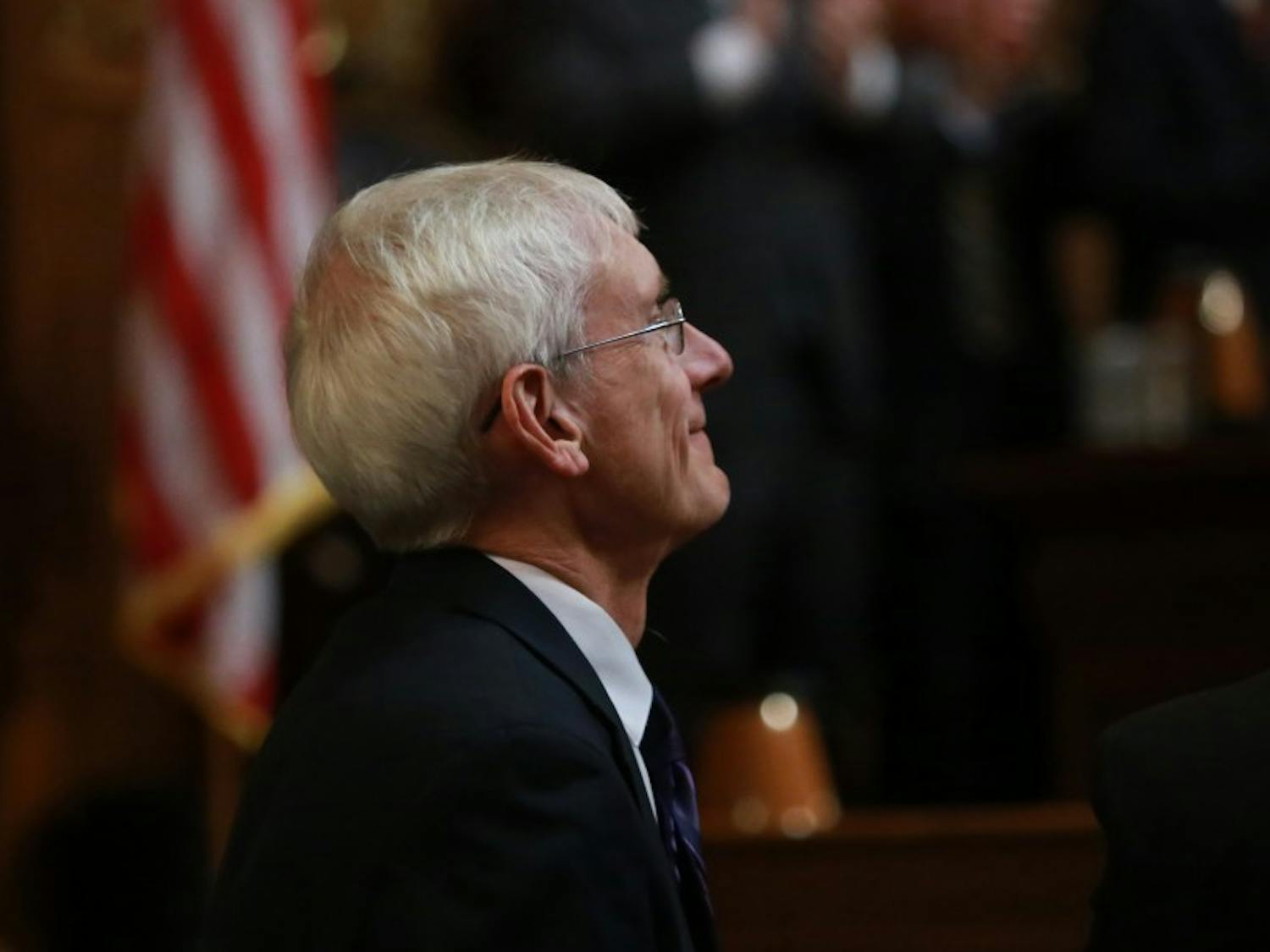
Democratic gubernatorial candidate and state school superintendent Tony Evers announced plans on Wednesday to cut tuition by 50 percent at all 13 of UW’s two-year colleges if elected. The proposal would cut current tuition of $4,750 with the hope to “strengthen our UW Colleges, create a better-trained workforce and make college more accessible to all Wisconsinites,” Evers said in a statement. In total, Evers expects the plan to cost less than $20 million – an amount he says is more than feasible if current “legislative Republicans are fine with giving 11 multimillionaires $22 million in tax breaks,” referring to Gov.
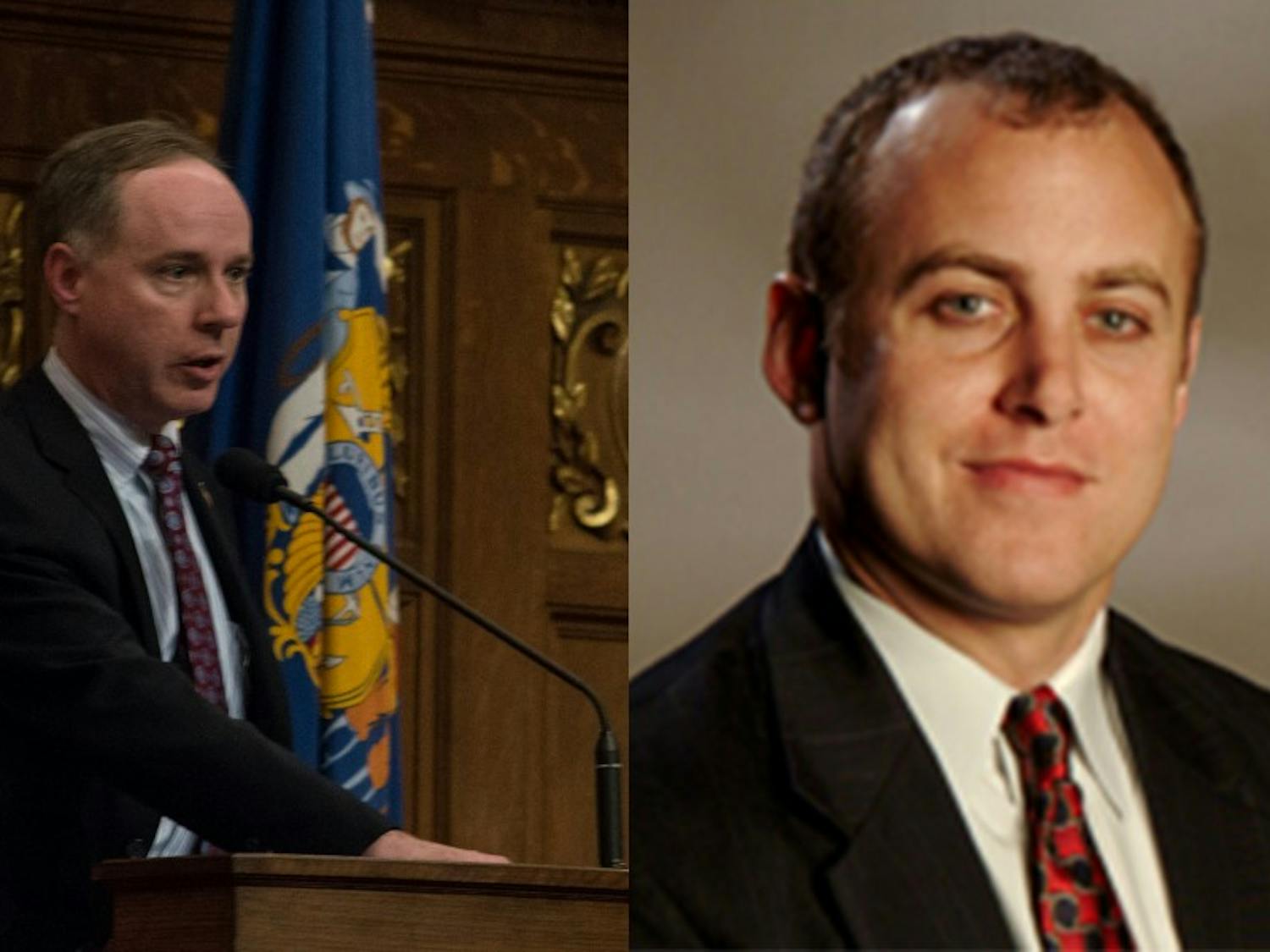
Four black Democratic legislators wrote a letter to Assembly Speaker Robin Vos, R-Rochester, in response to a new task force that will study the efficacy of Wisconsin prisons that solely consists of white men. The task force was created to analyze Wisconsin’s need for a new prison amid recent prison incidents involving overpopulation, neglect and violence. The letter, signed by Democratic representatives from Milwaukee, David Crowley, Jason Fields, David Bowen and Leon Young, requests Vos to reconsider his nominations in order to add at least one black member to the task force. “In Milwaukee County over half of African American males in their 30s have served time in state prison,” the letter said.
A bill pending in the state Senate would require retailers to remove tobacco- and nicotine-related products from the show floor, placing them in a more secure location, inaccessible without retailer assistance. Following national trends to reduce tobacco consumption, the bill seeks to curb adolescent exposure and accessibility to tobacco products, with most becoming long-term smokers at an early age and developing health conditions later on in life.
Creating a false identity online and using it to manipulate another person — a phenomenon commonly known as “catfishing” — is currently permitted under Wisconsin law. A bipartisan bill is looking to change that.
Until Saturday, children under the age of 10 were prohibited from hunting in Wisconsin. But now, thanks to a law signed by Gov. Scott Walker this weekend, any kid can shoot.
More parents would be able to excuse their children from standardized testing under a proposal approved by the state Assembly last week, as part of a series of education bills making their way through the Capitol. The proposal would allow parents and guardians to excuse their student from statewide examinations between grades three-12, building upon current law, which allows opt-outs during grades four and eight-11. The opt-out provision, which was initially intended to be expanded to other grades, was never broadened after mandated testing became more regularly applied for all students. This inconsistency, bill co-sponsor state Rep.
Gov. Scott Walker has announced a special election early next year to replace former state Sen. Sheila Harsdorf, following her appointment to the post of agricultural secretary. The appointment comes after Ben Brancel’s retirement from the position in August after seven years on the job.
Gov. Scott Walker plans to name state Sen. Sheila Harsdorf, R-River Falls, as his agriculture secretary sometime this week, according to the Milwaukee Journal-Sentinel.
Wisconsin's job agency board approved a $3 billion contract with Taiwanese electronics company Foxconn, moving the deal forward for the governor’s signature after months of intense debate.
Wisconsin’s strict environmental protections against “toxic” sulfide mining would be repealed in a bill passed by the Legislature in an effort to boost economic growth.
Already one of the booziest states in the union, Wisconsin could allow residents as young as 19 to belly up to the bar and walk through liquor stores under proposed legislation.
U.S. Congressman Mark Pocan is recovering at a hospital in Madison after undergoing triple bypass heart surgery Wednesday.
More juvenile delinquents could wind up behind bars and face a greater range of punishments under a bill approved Tuesday by the state Senate, amid controversy surrounding the state’s youth prison.
A state agency announced Friday that its members will be able to review the state’s $3 billion contract with Foxconn before the agency votes on the matter this coming Wednesday.
Amid the ongoing opioid epidemic in Wisconsin and nationwide, new data shows the number of opioids dispensed in the state has decreased sharply.
Nurses in Wisconsin may need less training to become certified, should a Republican-backed bill pass the state Senate and earn the governor’s signature.
As Gov. Scott Walker launched his 2018 reelection campaign at an event in Waukesha, immigrant rights advocates protested just outside, demanding the governor publicly oppose a controversial immigration bill.
Wisconsin state Legislature considered two separate bills surrounding abortion Thursday, one that would prohibit state health insurance programs from covering workers’’ abortions and another that would restrict fetal tissue research. The state Assembly passed a bill 61-35 that would require the state only cover the cost of an abortion as part of a state worker’s health insurance program in cases that are “medically necessary,” such as rape, incest and life-threatening circumstances. The law, however, is unclear what exactly medically necessary means, which sponsors of the new bill aim to tighten up. "This is really making sure essentially that state taxpayers are not paying for elective abortions, period," one of the bill’s sponsors, state Rep.