Loss of arctic ice may change Wisconsin weather patterns
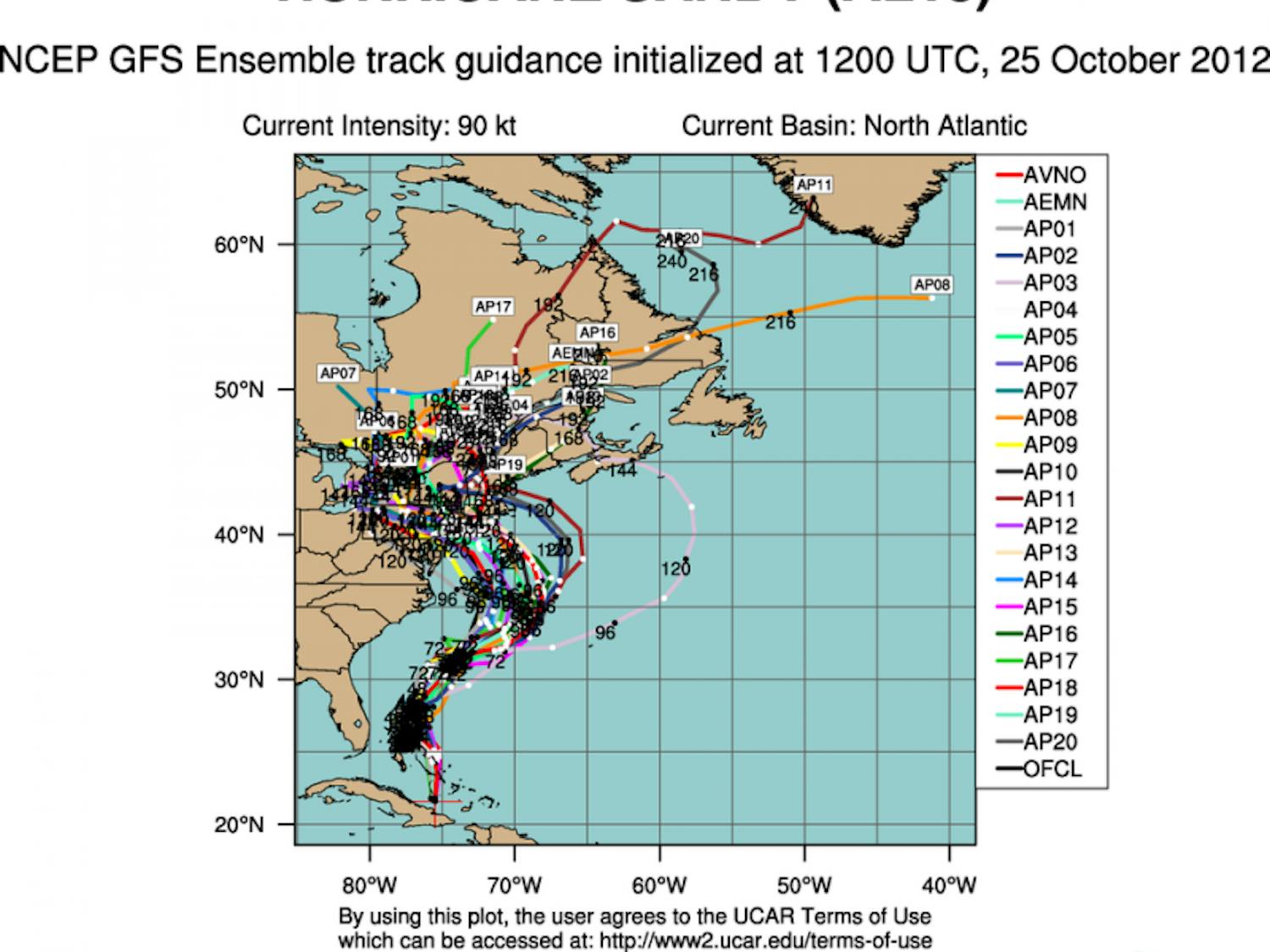
By Kristen Andersen | Oct. 9, 2012A new study suggests the diminishing ice cover in the arctic might be playing an important role in the weather patterns Wisconsin experiences.
A new study suggests the diminishing ice cover in the arctic might be playing an important role in the weather patterns Wisconsin experiences.
There is a new scientific field in town, known as soundscape ecology. The field works to understand the noise heard in a particular ecosystem, what it says about the ecosystem and how it affects animals.
University of Wisconsin-Madison hydrogeologist and professor of geology Jean Bahr was recently appointed to the Nuclear Waste Technical Review Board by President Obama.
The University of Wisconsin-Madison physics department recently completed the addition of a neutral beam injector to the Madison Symmetric Torus (MST).
New research done at the Wisconsin Institutes for Discovery is helping to explain how stem cells create the differing tissues which make up the human body.
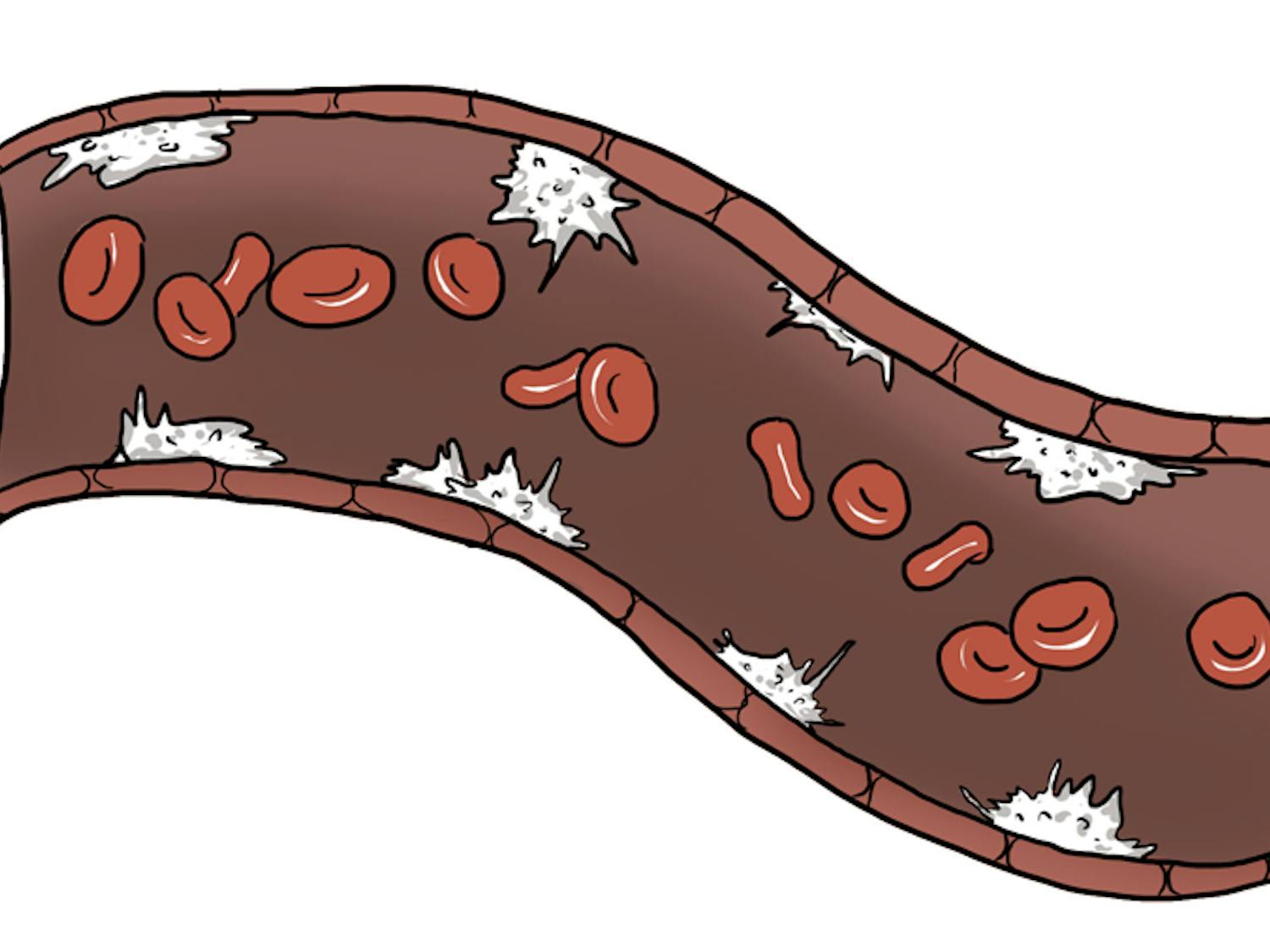
Red blood cells are much floppier than their white counterparts.
The University of Wisconsin-Madison’s Institute on Aging is set to broaden its research on Midlife in the United States (MIDUS), a nationwide study that investigates the varying degrees adult health and aging is impacted by societal, cognitive and behavioral factors.
In a stuffy milliner’s workshop in Danbury, Conn., a hat maker brushed a solution of mercury nitrate over a set of rabbit furs. This was the first step of several that the hatmaker would perform to transform the furs into the stiff felt hats in fashion in the late 18th century. As he worked, the milliner breathed in vapors from the muggy air.
The fall semester is here and students have returned from summer vacations ready to delve their rejuvenated minds into the depths of studies. However, the monolith of exams can be an exigent endeavor and can overwhelm the mind into a stressful conundrum causing students to run towards impetuous temptations, such as Adderall.
Dear Mr. Scientist,
The forecast for welcome week this year is just about perfect. Highs are in the mid 80s with lots of sun. However, all those who resided in Wisconsin or the Midwest in general this summer can remember when temperatures soared into the mid-100s accompanied by high humidity and drought a month and a half ago. Some conditions were so severe that many Fourth of July firework festivities were canceled. Dane and Columbia counties even saw roads buckle and “pavement blow-ups.”
Row upon row of women sat in a musty factory hand-painting watch dials. Each woman brought her camel-hair paintbrush to her lips, drew it into a point and carefully drew on numbers with a radiolumiescent paint. One by one these dial painters mysteriously became ill. They suffered from anemia, bone fractures and jaw necrosis, and some even died.
The Wisconsin Alumni Research Foundation (WARF) recently signed a license agreement with AhR Pharmaceuticals for exclusive rights to the development and use of ITE, a hormone that has the potential to treat some types of cancer and obesity.
Dear Mr. Scientist,
SCIENCE
SCIENCE