Use the fields below to perform an advanced search of The Daily Cardinal's archives. This will return articles, images, and multimedia relevant to your query. You can also try a Basic search
282 items found for your search. If no results were found please broaden your search.
(12/07/18 2:00pm)
International students, many of whom made journeys halfway across the globe, have been enrolling and teaching in high numbers at universities across the nation.
(11/29/18 2:00pm)
Few band directors get the chance to teach the children of former students. Even fewer directors have conducted their students’ grandchildren, maintaining leadership long enough to influence decades of performers.
(11/16/18 6:00pm)
Growling stomachs in the middle of exams. Spacing out during lectures. Struggling to fall asleep at night. Symptoms like these plague students on campuses across the nation who struggle with food insecurity.
(11/15/18 5:26am)

Empty plates are negatively affecting UW-Madison students' physical and mental health.
(11/15/18 5:08am)
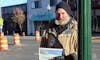
Chris Hubbard has been selling Street Pulse Newspaper for five of his eight and a half years living on the street.
(11/15/18 4:00pm)
The streets of Madison are lined with sleeping bags pushed against cement walls and bodies huddled against the biting Wisconsin cold — people without a place to call home.
(11/08/18 4:00pm)
Reaching out to mental health services on campus proves difficult for many people, especially if there isn’t a counselor who speaks their native language. But for Mandarin-speaking students at UW-Madison, that barrier is one step closer to being broken.
(11/01/18 2:00pm)
Though they’re far from the Supreme Court in Washington, UW-Madison students have a lot to say about recently confirmed Justice Brett Kavanaugh, and it’s dividing campus based on political ideologies.
(11/01/18 2:58am)
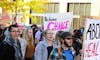
Students have shown both disdain and support for Supreme Court Justice Brett Kavanaugh.
(10/18/18 3:00pm)
Walking into Gordon Dining & Event Center, you are inundated with smells of omelettes, burgers and stir fry. As you pull out your Wiscard to pay, a fresh waffle on your plate, you wonder, “where do all those ingredients go at the end of the night?”
(10/11/18 2:39pm)
Me Too. These two small words, coined by Tarana Burke in 2006 and brought into the public sphere nearly a year ago by actress Alyssa Milano on Twitter, have since sparked a widespread campaign for women’s rights.
(10/11/18 5:21am)

Sexual assault is still a prevalent issue on campus as reported by 1 in 4 women.
(10/04/18 3:38pm)
Students of color sitting in a chemistry class might struggle not only with challenging coursework but with finding someone else who shares their identity.
(09/27/18 9:41pm)
Will a new wave of eligible college voters line up at the polls this voting season? Studies show that may be unlikely.
(09/13/18 3:00pm)
September marks Suicide Prevention Month, a time when one of the most complicated issues facing society is brought more clearly into the public perspective.
(09/05/18 5:00pm)
Starting life on a completely new college campus is a major transition for most students, one that can cause visible changes in students’ mental and physical health — not to mention an overwhelming sense of not knowing where to fit in.
(08/13/18 1:00pm)
In 1950, an eager new college student could pack her bags and set off for UW-Madison, paying an in-state tuition of just $120. Since then, the cost of college nationwide has increased at three times the normal rate of inflation, creating a towering financial barrier for many potential students, some of whom have stopped applying altogether.
(06/12/18 1:00pm)
College students have a lot to worry about, from living in a new environment to stressful school work, but one crucial element of their lives is often left unattended — their mental health.
(05/08/18 2:00pm)
A student struggling with mental illness while also balancing finals, papers and other college stress may look to UW-Madison’s McBurney Center as a viable care option.
(04/30/18 5:00pm)
The atmosphere felt of somber determination as graduate student workers assembled around a conference table on March 22nd to share their deeply personal stories and struggles with a panel of three UW-Madison officials.

