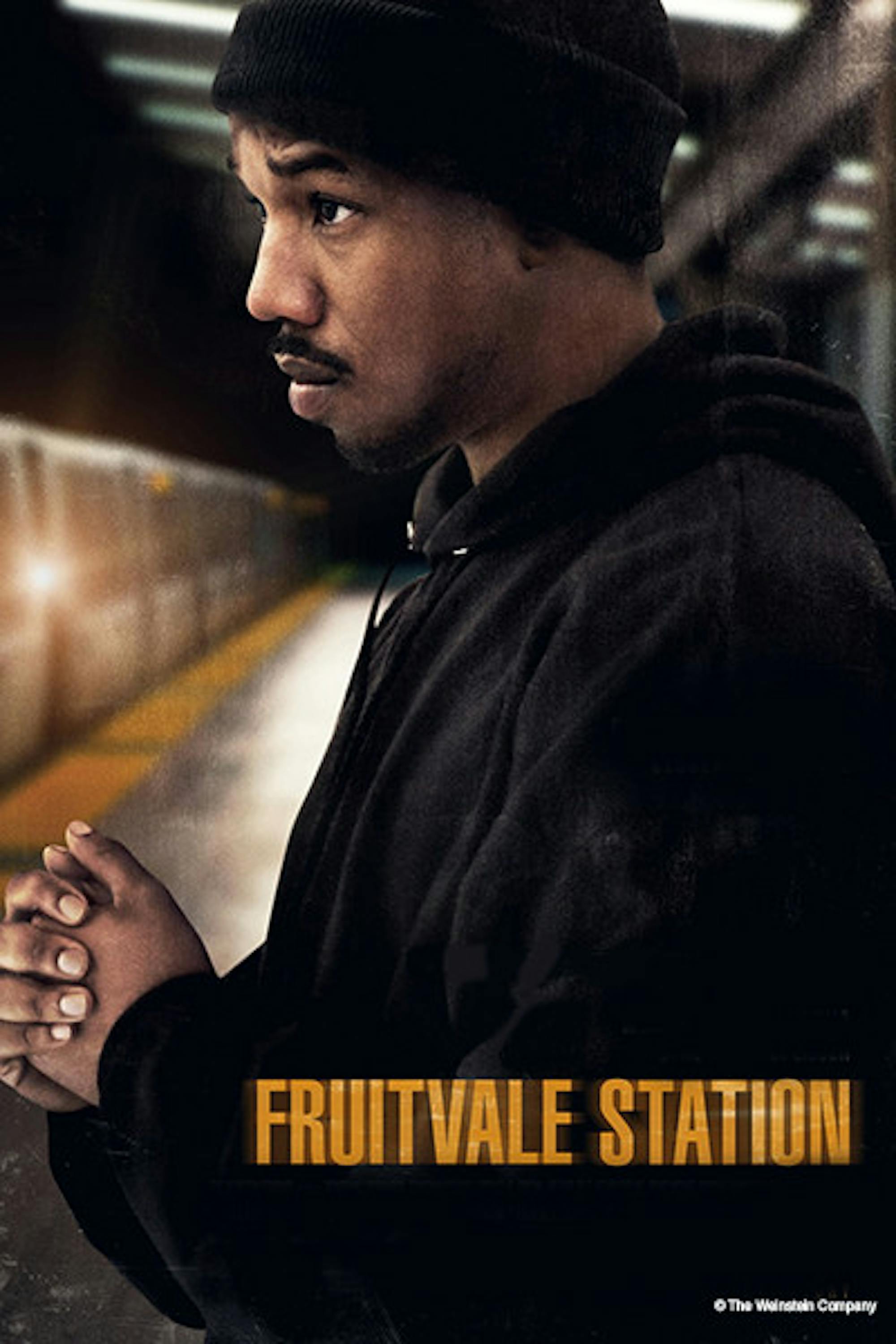
Wisconsin Union Directorate (WUD) Film brought viewers back to the early 2000s with their presentation of “Fruitvale Station” at the Marquee on Sept. 25. The film highlights the clash between warmth and unease and ordinary and domestic life.
Ryan Coogler’s directorial debut boasts a 94% on the Tomatometer with Michael B. Jordan and Octavia Spencer leading the cast. Coogler later directed “Sinners,” “Black Panther” and Creed, all of which did well with critics.
Fruitvale Station is intimate and documentary-like, giving the film a less dramatic and more personal tone. Moments of tenderness and humor are frequently interwoven with moments of tension, leading to a viewing experience filled with laughter, tears and suspense.
The film had a low budget, and The Marquee showing had a small turnout. Still, the movie is a work appreciated by many.
Based on a true story, the film follows Oscar Grant (Jordan) in the 24 hours leading up to his death, and the immediate aftermath. Throughout the film, he steps away from his life of crime, instead spending time with and supporting his girlfriend, daughter and loved ones.
His death hits even harder after the audience watches him work through his troubles, just to die before he can follow through with his new life.
The most impactful parts of this film are the parallels utilized to either symbolize or foreshadow events related to his death.
In a flashback, Oscar begs his mom, Wanda (Spencer), for a hug while in jail, but she doesn’t give him one, and he gets restrained by guards. After his death, Wanda is not allowed to hug his body in the hospital, showing her forgiveness for his past wrongdoings and her attempt at affection.
Later in the film, Oscar helps a dying dog hit by a car. This is paralleled during Oscar’s death scene: after being shot, another officer consoles him, similarly to the dog, symbolizing how the officers' treatment of Oscar was like that of an animal, highlighting recurrent themes of police brutality.
A particularly harrowing comparison between two scenes occurs when Oscar is interacting playfully with his young family members. The first scene is a close-up of Oscar’s face, displaying his smile prominently. The lighting is warm, and the atmosphere is cheerful.
In contrast, while Oscar is being restrained after a conflict with the police, his face is shot from the same position and angle as the scene with his family. Now, the lighting is cool, with an atmosphere of violence and fear, demonstrating how quickly moments of joy can be taken away from someone by unjust institutions.
Although the 85-minute film is paced well, the end is abrupt, as we do not see the aftermath of his death and how it affects the family. However, Coogler’s fleshing out of Oscar’s life gives a small sense of reconciliation.
The message in this movie is a sad reality that is, unfortunately, still present in our society. Police brutality and racial injustice are topics that are just as relevant now as they were when the movie was created in 2013.
“Fruitvale Station” ultimately reminds us that a person’s life is never disposable, regardless of their mistakes. Instead, a person’s growth, relationships and potential are enough to redeem them.