A Paramount+ subscription costs $8.99 per month. An HBO Max subscription costs $10.99 per month.
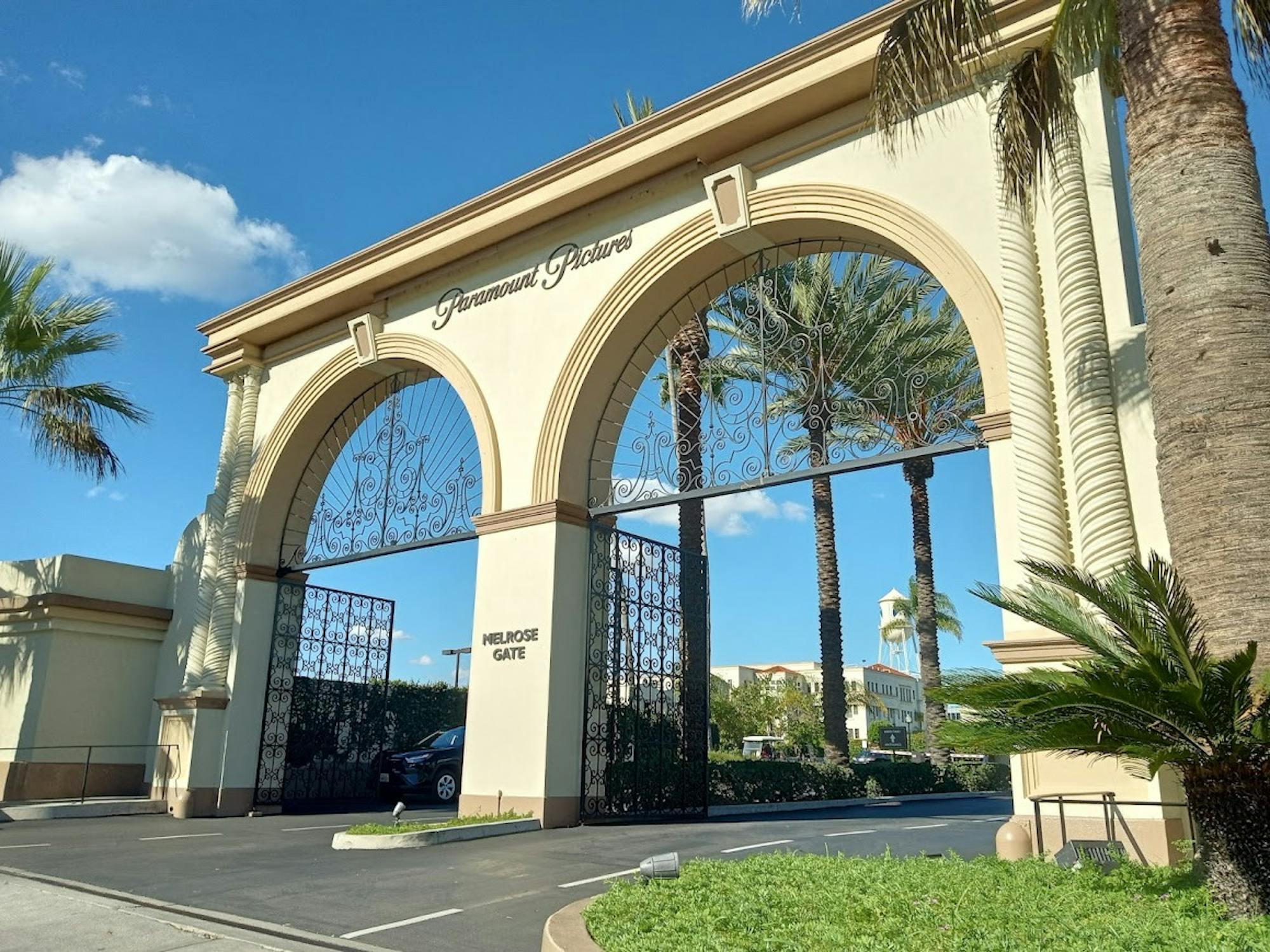
The two streaming services are set to merge following Paramount Skydance’s acquisition of Warner Bros. Discovery, valued at $111 billion, on Oct. 6. This megamerger will lead to higher streaming prices, layoffs and less creativity, where workers, consumers and journalists bear the consequences.
The companies will now operate under the name Skydance, the name of billionaire owner David Ellison’s first media company. The deal puts streaming services Paramount+ and HBO Max under the same roof, as well as CNN and CBS.
The deal was made official after Paramount reached a settlement in a lawsuit from California and 11 other states. The settlement requires Skydance to produce 30 movies a year for the first two years, then increase to 32 movies for the following three years. If that number isn’t met, the penalty is $30 million per movie distributed among union retirement and health funds, the Motion Picture and Television Fund and the National Association of Attorneys General.
In addition to the quota, the settlement requires the company to invest $1.5 billion into filming domestically over five years and create a $25 million fund for independent films. Furthermore, there is a $6 billion fund for any laid off workers. The settlement also calls for an oversight board to be established to ensure independence between CNN and CBS.
While the settlement looks good on paper, it also contains glaring issues.
At first glance, an annual movie quota sounds like a great idea. However, the 30 movie threshold could be a big jump for the company that could hinder quality and creative liberty. Last year, Warner Bros. released 11 movies and Paramount released 8 movies.
Warner Bros. found both box office and award success with “Sinners” and “One Battle After Another.” These were both original movies that relied on directors Ryan Coogler and Paul Thomas Anderson having full creative control and a large budget for their respective projects.
With Skydance, a company that will accrue around $87 billion in debt, held to meeting a number, it could result in tighter budgets and a focus on hitting a release date rather than the overall quality of a film.
The worst possible outcome would be a complete reliance on sequels and unoriginal ideas. Skydance holds franchises like “Mission: Impossible,” “Star Trek,” “A Quiet Place,” “The Conjuring,” DC Comics and more. These franchises already have multiple movies and pressure to meet the 30 movies threshold could result in these franchises being repeatedly recycled, losing the spark that made them special with every new release. It would leave no room for new ideas, perspectives or styles, and halt the excitement that comes with them.
What’s more concerning is the settlement only covers the next five years. After that, Skydance is free to release however many movies they choose, and can make decisions about independent film funding and the domestic filming fund. It’s free to cease operations at the Warner Bros. Burbank lot or the Paramount Hollywood lot after the time frame, which would result in layoffs.
The acquisition is a direct response to competition like Amazon Prime Video, Netflix and Disney, which acquired 20th Century Fox in 2019. Since 2022, Disney has laid off over 8,000 workers. A similar fate is probable for Skydance employees as Paramount already threatened moving out of California to leverage a settlement in the lawsuit.
Beyond the film industry, Skydance now owns both CBS and CNN. There will be a news independence editorial board to oversee the two networks, but considering the Ellison family’s relationship with the Trump administration, the ownership is another area of concern.
Simply put, CNN, which the White House Press Corps recently attempted to ban, is now under the control of Trump-backed ownership. Trump has frequently attacked the press via executive orders, legal and financial attacks, access restrictions and arrests. Now, with Ellison’s influence, Trump could manipulate CNN from the inside.
Although Ellison supports CNN, MS NOW and Politico’s lawsuit over President Trump’s ban, he’s the same owner who installed Bari Weiss as editor-in-chief at CBS News. Weiss has drawn criticism for pulling the CECOT segment, an investigation into the El Salvador prison with horrific conditions where the Trump Administration had sent over 200 deportees, off of ‘60 Minutes’. Her editorial decision actually led to an increased bid for Warner Bros. Discovery from Ellison’s father, Larry, the following day.
Overall, Weiss has taken CBS in a more conservative direction, still believing that both sides of a debate have equal merit, even when one side is lying. Under Ellison, CNN could shift more conservative too, even with an independent editorial board. The shift would only be the latest in the rise of right-wing aligned and controlled media outlets.
Many of the potential positives for this merger are predicated on “promises.” Ellison promises to rebuild trust, a 45-day theatrical window for movies and quality storytelling.
But these aren’t enforceable promises.
The best you can do is take the billionaire’s word for it.
Andrew Holton is a junior studying journalism. Do you agree this merger is built upon faulty morals and corporate greed? Send all comments to opinion@dailycardinal.com