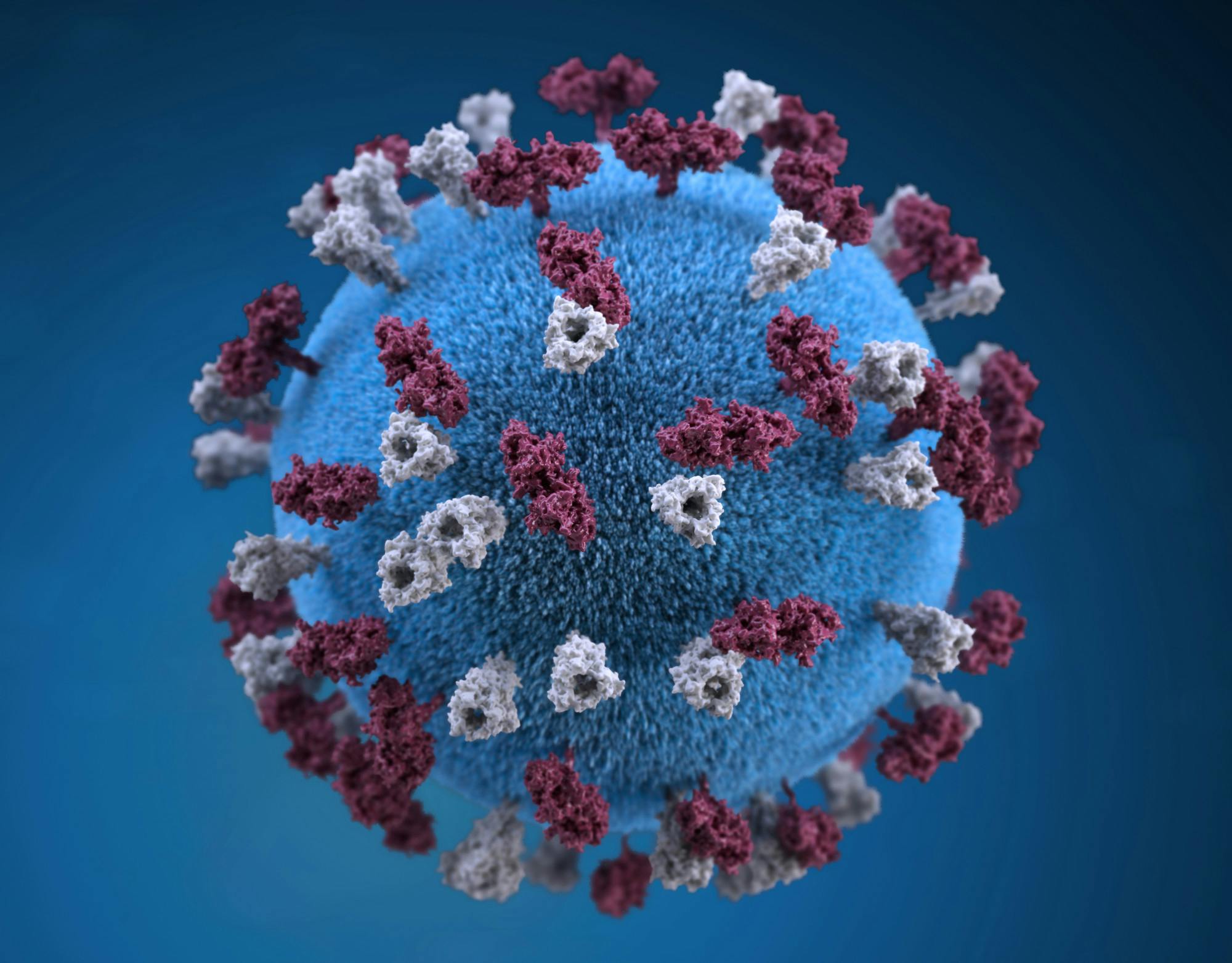
The Wisconsin Department of Health Services confirmed 163 measles cases in Wisconsin as of Sept. 11 in Grant, Iowa, Lafayette and Marathon counties.
Measles is a highly contagious airborne virus that spreads through coughing, sneezing, or contaminated air and contact with infected surfaces, according to the Centers for Disease Control and Prevention. It can linger in the air for up to two hours after an infected person coughs or sneezes. The CDC also says measles is especially aggressive to those who are unvaccinated.
Associate Vice Chancellor for Student Affairs, Health and Wellbeing Jake Baggott, said the numbers are unusually high.
“This is certainly an unprecedented year. From what I’m reading and understanding, [these cases] are almost entirely within unvaccinated people,” Baggot told The Daily Cardinal.
According to Baggot, nine out of 10 people without the vaccine will contract measles once exposed. In a setting like the University of Wisconsin-Madison, unvaccinated individuals are even more vulnerable to exposure.
“Living in a high-density environment where we have a lot of people working around or with each other presents an added risk,” Baggot said.
According to the CDC, measles symptoms include a runny nose, high fever, cough, watery or irritated eyes and a red rash with raised bumps. The rash will likely first appear at the crown of the head, then migrate to the arms and legs after other symptoms appear.
The best way to avoid measles is to get the measles, mumps and rubella (MMR) vaccine, which the CDC reports is 97% effective after both doses.
UW-Madison requires students to disclose their MMR vaccination status before registering for classes, per the University Health Services (UHS) website.
“Most of our students appear to be vaccinated, so that’s very, very encouraging,” Baggott said. “I’m happy to say so far, we’ve not identified any cases, but we’re certainly paying close attention to what’s going on.”
For students unsure of their vaccination status or who cannot find their immunization records, the UHS offers antibody titer testing on their website to determine whether they have previously received the MMR vaccine.
With so many symptoms shared between measles and the common cold or flu, if there is a suspected case of measles on campus, Baggot said UHS can run a test on individuals to confirm if they have measles.
“We might have someone isolate or quarantine until we can get the confirmation of their test results. That’s a normal course of affairs,” Baggot said.
UHS currently offers the MMR vaccine at no cost to students, according to their website.
“Frankly, we just don’t want people to miss out on their class experience and have their education interrupted,” Baggot said. “We can do a lot to keep that from happening.”