Amid federal funding cuts, the University of Wisconsin-Madison has strengthened its ties with the U.S. Department of Defense, including by hiring Dave Schroeder as the Director of National Security Initiatives at UW.
DoD research topics are relatively broad, and by establishing a relationship with that agency, UW-Madison aimed to diversify its research portfolio and ensure the university wasn’t completely dependent on any one funding source, Schroeder said.
The university has been successful in increasing funding over the past few years, including the last year under the Trump administration.
Since 2015, UW-Madison has received more funding from DoD every year, receiving $57,946,000 in 2024. Schroeder said that so far in 2025, the university has five fewer awards than 2024, but annualized award numbers are a volatile measure, meaning they fluctuate from year to year.
“Awards are dependent on the timing of award notices and funding obligations, which shift from year to year, so usually the metrics are a full fiscal year behind,” Schroeder told The Daily Cardinal in an email statement.
What new research projects have been funded?
Research funded by the DoD is vast and supports topics such as agriculture, disease prevention and cybersecurity. According to Schroeder, new awards to UW include “Investigating and Remediating Pollutants Using Site Soils,” “Shark Antibody Radiopharmaceuticals for the Treatment of Prostate Cancer” and “Advanced Data Science for Improved Physical Mobility and Injury Recovery,” among others.
These awards, like all federally-funded research, are based on the priorities and interests of the government, which may change with each fiscal year or administration, Schroeder said. National security research tends to be aimed at solving a specific problem and is more applied, and UW-Madison researchers decide if they have the expertise based on the research opportunity. If so, Schroeder said the university Office of Research and Sponsored Programs submits a proposal to the DoD on the researcher’s behalf.
Much of the DoD funded research on campus has benefits to civilians too. According to Schroeder, many “dual-use” technologies researched with funding from DoD have created a positive impact, created new industries or saved lives.
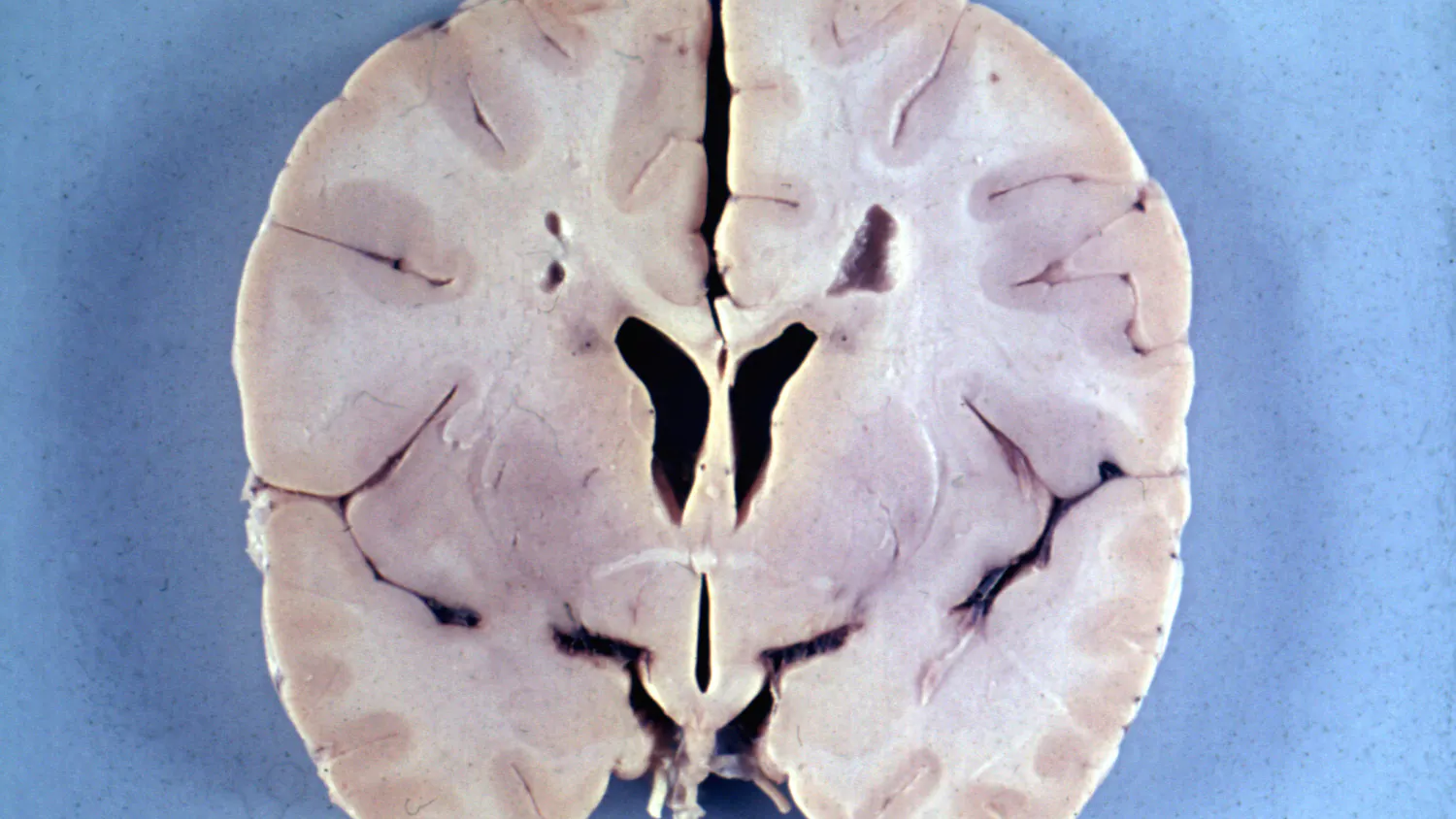
Since 2017, UW-Madison’s College of Engineering has housed the PANTHER program, a $15 million program funded by the U.S. Office of Naval Research. The program, led by UW-Madison mechanical engineering professor Christian Franck, studies methods to prevent traumatic brain injuries (TBI), something approximately 2 million Americans suffer from each year. This program has been instrumental in understanding TBI from blunt force, ballistic missiles, blasts or directed energy and can be applied to both military personnel and civilians.
According to Franck, the program started with a partnership with Team Wendy, a company that makes helmets for first responders, military personnel and outdoorsmen. He said the idea was to make a “truly brain-protective helmet” and rapidly translate science to a mass produced product.
“Panther's mission is (and we're close) to solve that puzzle [how the brain was injured], and by doing so, provide actual solutions for protection — and we want to make those available to all people, including our military service members,” Franck told the Cardinal in an email statement.
According to Franck, the DoD is a great source of funding for basic science and is unique to the United States. His work is all unclassified. So is most of the other DoD-funded research at universities, although Franck said there are exceptions.
“I love working with the Office of Naval Research, I love working with my program manager and all the folks there. I love the fact that I can help to make our warfighters and everyday citizens safer at the same time,” Franck said.
PANTHER is among the projects funded by Omnibus IV, a $10 billion DoD-funded military health research initiative with eight university and 64 industry partners. UW-Madison has been involved in this initiative since 2022.
“The research done by the PANTHER team is world-renowned, and they are a global leader in this kind of research, which would not be possible without funding from the Navy,” Schroeder said.
In 2024, UW-Madison researchers also received nearly $11 million in DoD funding for pulmonary fibrosis research.
Establishing a relationship with the DoD does more for UW-Madison than increasing its research funding. Schroeder said students benefit from this goal by increasing workforce preparation. DoD-funded research offers opportunities for students to get involved in national security careers and enables collaboration with government, industry and Wisconsin partners.
For example, Schroeder said Bart Miller, a computer science professor at UW-Madison, works with the Wisconsin National Guard’s cyber teams to protect infrastructure such as power plants from cyber attacks.
“UW-Madison is in a unique position to provide workforce to DoD. If we could bring more research here and engage with the DoD research done by graduate students, we could become one of the national hubs for workforce development in STEM domains,” he said.
Lindsay Pfeiffer is the science editor for The Daily Cardinal.