For Beaver Dam native Ren Nickel, the rise of large scale AI data centers across the country hits close to home.
The University of Wisconsin senior said one of his old grade school teachers lives about a mile from the new data center there, which has taken over her property and impacted local waterways.
“She had quite a few acres of land, and it just destroyed it,” Nickel said. “She had a creek, and it’s completely dried up.”
Those hometown experiences motivated Nickel to get involved in climate organizing. He now serves as president of UW-Madison’s Climate Action Campaign chapter and works with other chapters to coordinate outreach to legislators about data centers — taking his hometown fight to the state capital.
“We want them to know that there's a group of students on campus that are pushing for these changes,” Nickel said.
Students and staff at UW-Madison have differing opinions about data center legislation and the pace of development as the state continues to attract tech companies building hyperscale data centers.
Data centers have increasingly faced scrutiny, with 70% of Wisconsin voters saying their costs outweigh their benefits, despite the state currently being home to 52 facilities and counting. Residents remain concerned with environmental impacts and a lack of transparency, with at least four communities signing non-disclosure agreements to prevent knowledge of plans prior to their public announcement.
UW professors express mixed feelings
Mechanical Engineering professor Allison Mahvi said the university has an initiative around data centers aiming to better understand how they impact communities, the environment and energy grid.
“I think this is something that needs to be answered quickly, as opposed to 10 years later,” Mahvi told The Daily Cardinal.
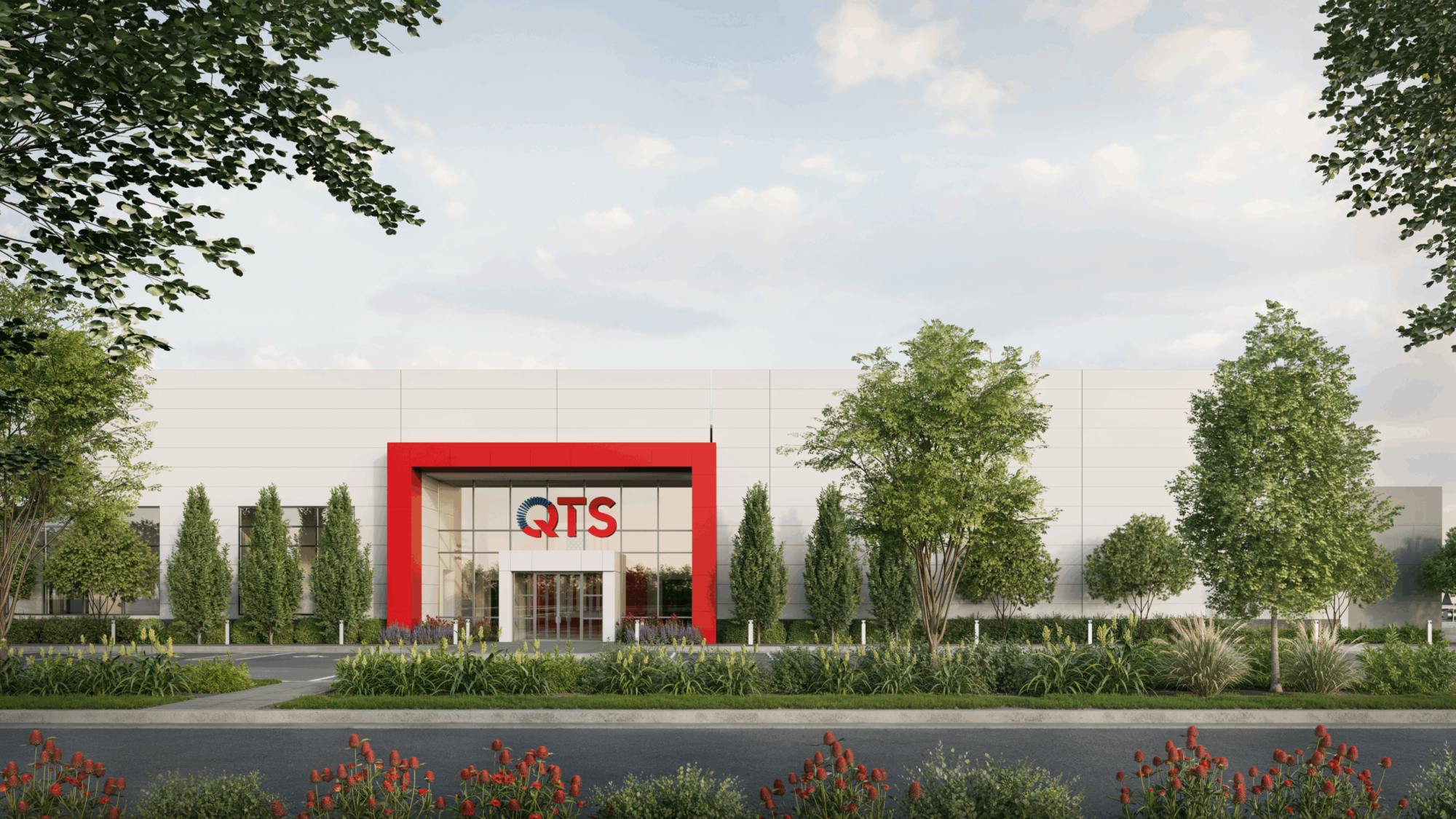
Mahvi is part of a research study exploring energy storage for data centers with funding from QTS, a Virginia-based company that planned a data center in DeForest before community opposition led the village board to cancel the project.
The company announced a $1.5 million partnership with the university in 2025 and remains engaged with Mahvi’s research cohort, which is mainly focused on energy storage reserves and how to optimally use a data center. QTS is also funding projects looking into health impacts of data centers, identifying benefits of data centers for pollinator biodiversity and artificial intelligence’s applications in agriculture.
Engineering professor Mike Wagner, who also works on the study, said he has mixed feelings about the QTS project being cancelled.
“I fully agree that the local community should have a say in the technologies and the things that are being deployed in their neighborhoods,” Wagner told the Cardinal. “It would have been nice to have a facility in our backyard that we could play around in and test out our technologies and test out our control techniques.”
Both professors declined to comment on any current legislation regarding data centers.
Students voice concerns about data centers
While some professors are split, many students strongly oppose data centers and support legislation to regulate them.
UW Climate Action Campaign chapter founder Julia Fechner said the national organization is also focused on data center regulation. The group is watching several bills circulating the Legislature, including a Republican-led bill that would ban local governments from entering non-disclosure agreements with tech companies.
The legislation, which has garnered bipartisan support, was originally brought forward following a report from Wisconsin Watch showing that in at least four communities across the state, details involving a data center were hidden from the public with a nondisclosure agreement, prior to public announcement.
“People are not a fan of large corporations trying to cover up their actions through NDAs, and the office I’m in is very much in support of that,” Fechner, an intern for Rep. Lori Paleri, D-Oshkosh, said.
UW-Madison Climate Action Campaign is also looking at a Democrat-backed bill that would require data centers to get 70% of their energy from renewable sources to qualify for state tax breaks, which Fechner said she supports.
“I think it would be great and it would hold the data centers a lot more accountable for their energy consumption,” he said.
Fechner said she worries about the “not in my backyard” scenario, meaning if data centers are not built in Wisconsin, they will still be built, just elsewhere.
“Unfortunately, we find that these developments end up moving to under-resourced communities that don't maybe have the power to fight back against it,” she said.
The organization supports a third bill aiming to address rising energy costs for residents. The legislation would prohibit the Public Service Commission, responsible for the regulation of state utilities, from approving rate changes to utility bills for infrastructure that primarily serves a data center.
Notably, the Public Service Commission questioned their ability to ensure no costs would be passed down to ratepayers.
Two bills in the legislature are at a stand still as lawmakers are out of session. Several candidates for Wisconsin governor have expressed concern about the rapid expansion of data centers, including Republican Tom Tiffany and Democrat Francesa Hong.