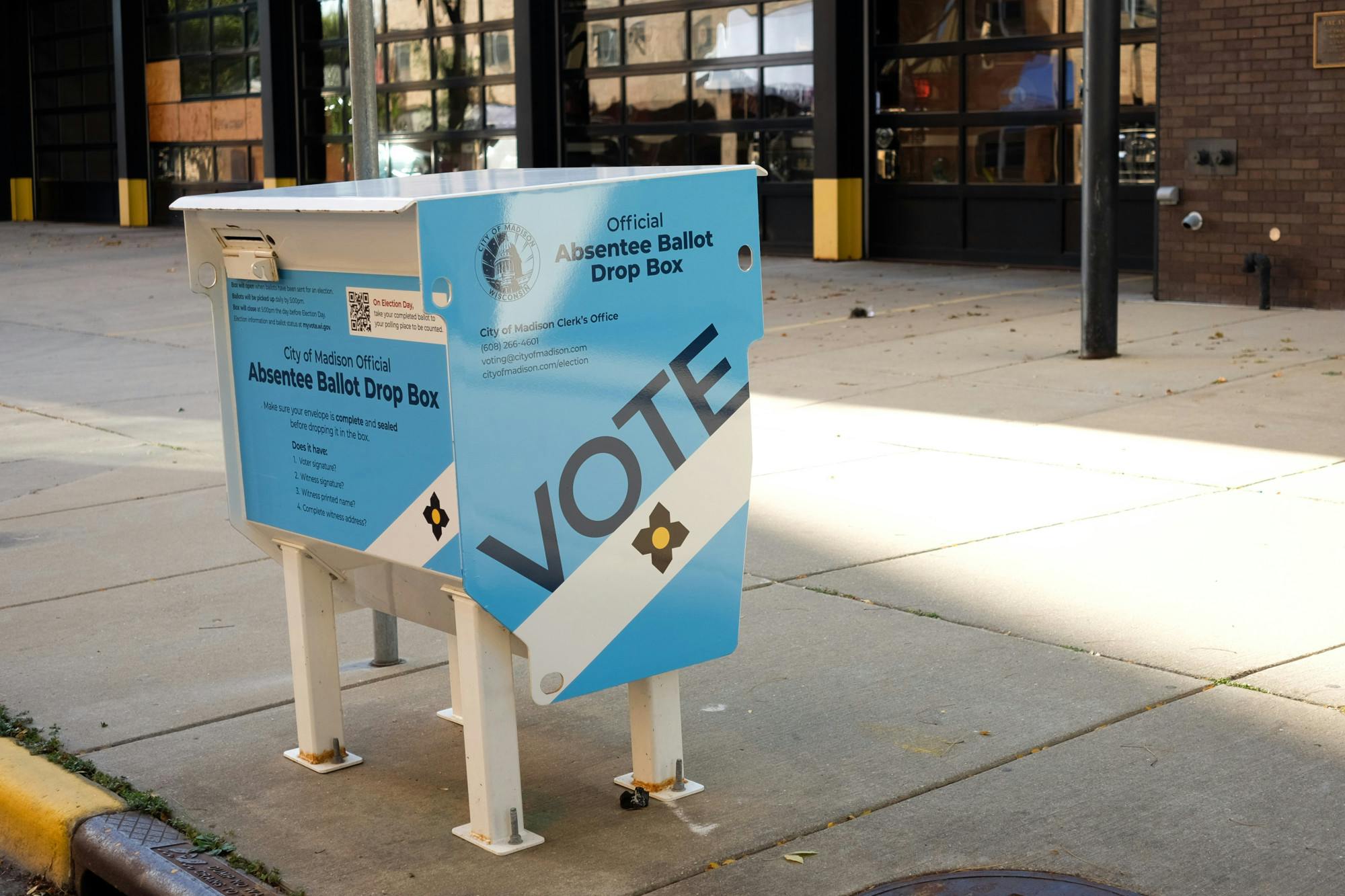
After 193 ballots went uncounted in 2024, new Madison Clerk Lydia McComas told The Daily Cardinal the city reimagined its absentee ballot procedure ahead of this year’s spring elections.
McComas was appointed Madison Municipal Clerk in September 2025 after former Clerk Maribeth Witzel-Behl resigned in April 2025 amid fallout from the city’s failure to count 193 absentee ballots in November 2024. Now, McComas said she is working to rebuild trust with Madison voters.
In a July 2025 investigation, the Wisconsin Election Commission found the City Clerk’s office to have “a complete lack of leadership” and an “astonishing lack of action.”
“[Witzel-Behl] demonstrated no urgency, let alone interest, in including those votes in the election tally,” the investigation said. “These ballots were treated as unimportant and a reconciliation nuisance, rather than as the essential part of our democracy they represent.”
Eight voters filed a lawsuit in September 2025 against the city for the miscount, seeking $175,000. The city initially cited Wisconsin law calling absentee voting a “privilege” in the lawsuit. However, the same law also says “[absentee ballots] shall be construed as mandatory.”
Gov. Tony Evers released an amicus brief in January 2026 stating all Wisconsin voters have the right to have their vote counted no matter which way they submit their ballot.
Madison Mayor Rhodes-Conway said she does not believe it sets a good precedent for citizens to sue their government for “human error” in a January 2026 interview with Channel 3000 News.
The lawsuit has not yet been decided, but Rhodes-Conway said in the interview she does not plan to contest the judge’s ruling, whatever it may be.
McComas said restoring public trust has been central to her work since her appointment.
“When the elections office makes a mistake, it's concerning and it’s really important that clerks’ offices and election offices are transparent,” McComas said. “Your vote matters and we take that very seriously.”
According to McComas, the clerk’s office implemented several new procedures during the February and April 2026 elections, including more detailed instruction manuals for chief inspectors, staggered ballot courier schedules and in-person reconciliation of absentee ballot totals to catch missing ballots or technical errors before final counts are certified.
These changes were suggested by the WEC in their investigation, and McComas told the Cardinal she is open to guidance from the group with any future issues.
The office also hired 200 new election officials and expanded training efforts ahead of the spring election cycle.
With the February and April elections, the office had a quick turnaround, but McComas said the clerk’s office was well prepared. She also said the staff was excited about the changes made and more confident in the elections overall compared to previous years.
“We’ve gotten positive feedback from chief inspectors,” McComas said. “I’m confident our processes are accurate and voters can trust us to make sure their votes count.”
Also, absentee ballots are now only sent to polling places on election day, whereas in past elections, absentee ballots were sent weeks beforehand and could easily be misplaced, according to McComas.
Chief inspectors are now provided with electronic spreadsheets detailing the expected number of absentee ballots at each location before polls open.
McComas has overseen two elections since her appointment — in February and April — both of which she believes went better than previous elections.
During the February election, the office was still responding to the WEC order and changing Madison election processes to ensure there would be no more lost absentee ballots, McComas said.
The April election had higher voter turnout and more scrutiny than February, according to McComas.
McComas said the success of the department is also due to logistical support from other city agencies like the mayor’s office. There are 109 polling places and 39 in-person absentee voting locations in Madison where the clerk’s office had to hire a moving company for polling supplies, McComas told the Cardinal.
Looking ahead to the August election, McComas said the office’s primary focus will be improving communication with student voters who may be away from Madison during the summer.
“The main thing is making sure students know how to vote absentee,” she said.
Out-of-state students who plan to vote in the August primary election in Madison can go to My Vote Wisconsin and request an absentee ballot. Badgers Vote helps students with their absentee votes and suggests requesting them two weeks in advance for elections.
Many University of Wisconsin-Madison students choose to register in Wisconsin due to its swing state status.
“UW-Madison consistently boasts among the highest student voter turnout in the nation, even in non-presidential election cycles,” The Wall Street Journal originally reported.
When asked whether she feels absentee voting is a right or a privilege, McComas said, “Any way that a voter votes, their vote should be counted. I value all votes the same. If you vote absentee, if you vote in person, your vote should be counted by my office.”
Jane Dardik is the City News Editor. She has covered a wide array of Madison stories, including city elections, budgets and community development.