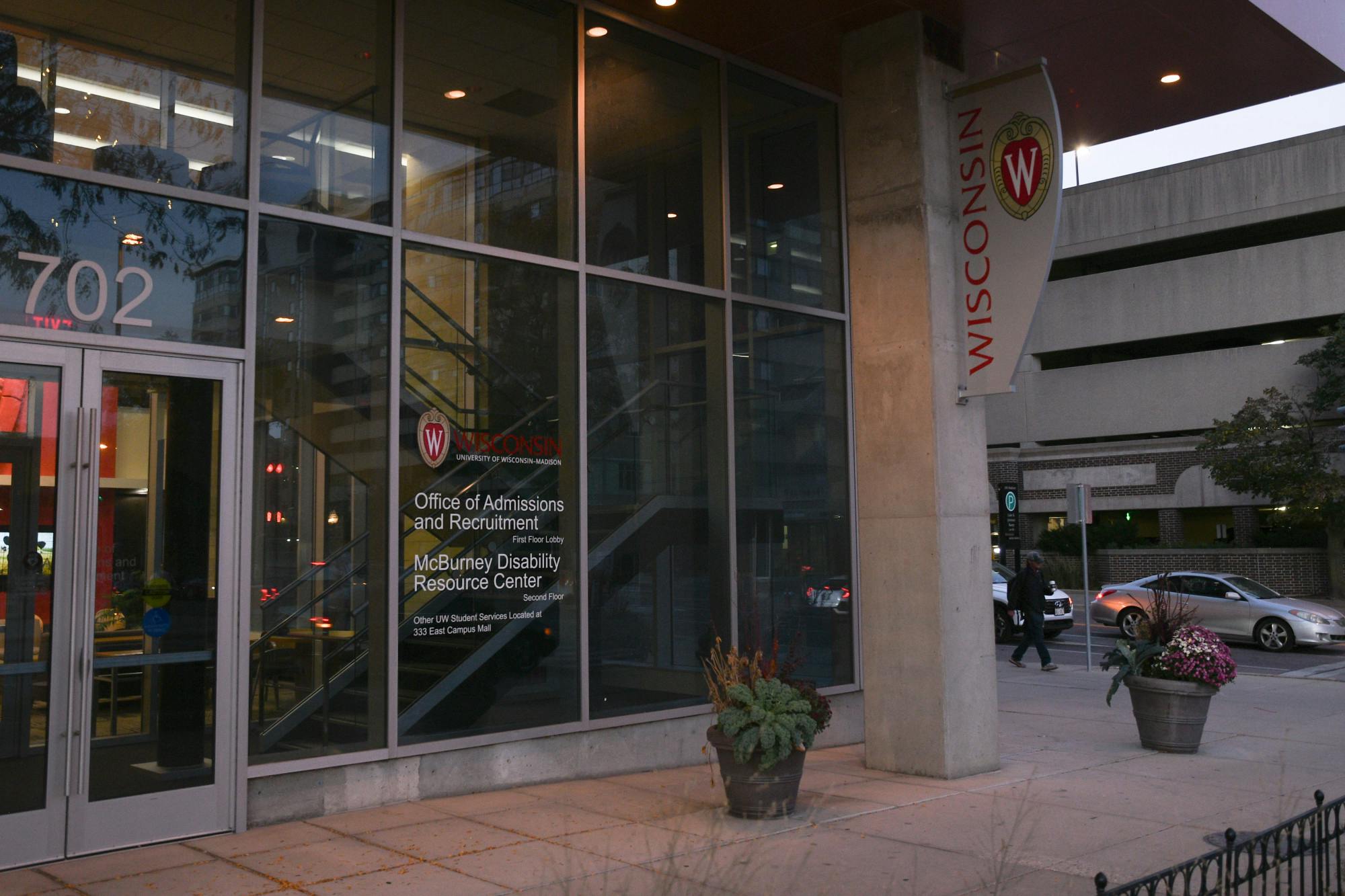
A new federal rule mandating digital content be more accessible for disabled students will go into effect across the country on April 24, changing how those currently requiring accommodations experience the University of Wisconsin-Madison.
The rule, which was expanded to the Americans with Disabilities Act (ADA) in 2024, requires UW-Madison to adopt new digital accessibility standards for all its online resources. Tools like captions for live video content, audio descriptions for prerecorded content, screen readers and a specific contrast ratio for better conveying visual information will all be mandated.
These technical standards will help ensure disabled students have seamless access to necessary materials without the need for other accommodations.
Under this update, technologies that ensure ease of use will be readily accessible for disabled individuals at the same time as non-disabled individuals. Where students requiring these assistive technologies currently have to request accommodations through the university, the new rule requires these online tools and digital materials be accessible by default.
“It helps a lot to already have it for the students,” said Dauntae Green, a deaf masters student at UW-Madison.
Green wears a cochlear implant to aid his hearing. Every semester, he says he must put in a list of separate requests for accommodations, including video closed-captioning.
“I think that having live captions when it comes to digital [tools] and Zoom, and all that stuff in general for people, should be a common sense thing,” Green said.
Web content that is not already up to the new ADA standards can make it difficult or impossible for people with disabilities to access content quickly available to others, according to the DOJ’s website.
UW-Madison staff and faculty will update their own web content and course materials under the new requirement. Making materials accessible requires the university to educate staff and bring awareness to accessibility changes.
“Unlike buildings, which undergo a rigorous and multistep design and review process that ensures accessibility is included, anyone can create digital content,” said Ruben Mota, the ADA coordinator at UW-Madison, in a statement to The Daily Cardinal. “People who create digital content may be unfamiliar with what digital accessibility means and how to create accessible documents and webpages. Awareness and training are important.”
To help educate faculty and staff about digital accessibility, UW-Madison has created the Digital Accessibility Hub which outlines all the necessary changes. Its goal is to help instructors make their fall 2026 courses accessible.
The key requirements outlined by the hub follow the Level AA guidelines outlined in the ADA. In addition to synchronized captions for videos and transcripts for audio, Level AA mandates text descriptions for images, known as alternative text, and the ability to use all content by keyboard only.
Universities that fail to comply could face legal challenges and a potential loss of federal funding, according to the University of Wisconsin System website.