Eating takeout is a regular part of University of Wisconsin-Madison sophomore Nora Klaers’ daily routine. Between a packed class and extracurricular schedule, cooking and planning meals everyday is not the first thing on her plate.
And she’s not alone. Between classwork, student activities, jobs and finding the time to spend with friends, eating a full, nutritious meal is often the last thing on a college student’s mind. Many UW-Madison students are dependent on quick and cheap options, such as frozen meals and takeout.
According to Alicia Bosscher, a Clinical Dietitian Nutritionist at UW’s University Health Services, college is an especially difficult time for people and their nutrition habits.
“It’s one of the most challenging times because maybe for most of your life so far, you had other people take care of that part of your day for you,” Bosscher said. “And now all of a sudden that’s all on you.”
Meal prepping is one popular strategy for students hoping to eat healthier and more affordably, which includes preparing and cooking a meal and portioning it out into several servings to eat in the following days. This trend has surged online and on social media, where people prioritize creating simple meals with whole ingredients.
But Klaers said even meal prep can be hard to balance in an already full college student schedule.
For her, this means spending more on eating out instead of buying groceries. On an average week, Klaers said she eats takeout at least five days out of the week, if not at least once a day.
“I would love to spend less money and cook all of my meals for the week myself,” Klaers said. “It's healthier. It's a good skill to have.”
Cooking ability is one of the biggest barriers for students to meal prepping and eating nutritious meals. “I’ve never really learned how to cook, and every time I try to cook it always turns out horrible,” Klaers said.
She said her frustration with cooking is amplified by the prices of groceries.
Grocery prices nationwide continue to rise year after year. Food-at-home prices have seen an increase every year since 2020. In the past year alone, an index measuring grocery prices for American consumers rose by 2.1%, according to data from the U.S. Department of Agriculture.
Grocery stores in the Madison area suffer from the same rising prices and often have vastly different prices for groceries.
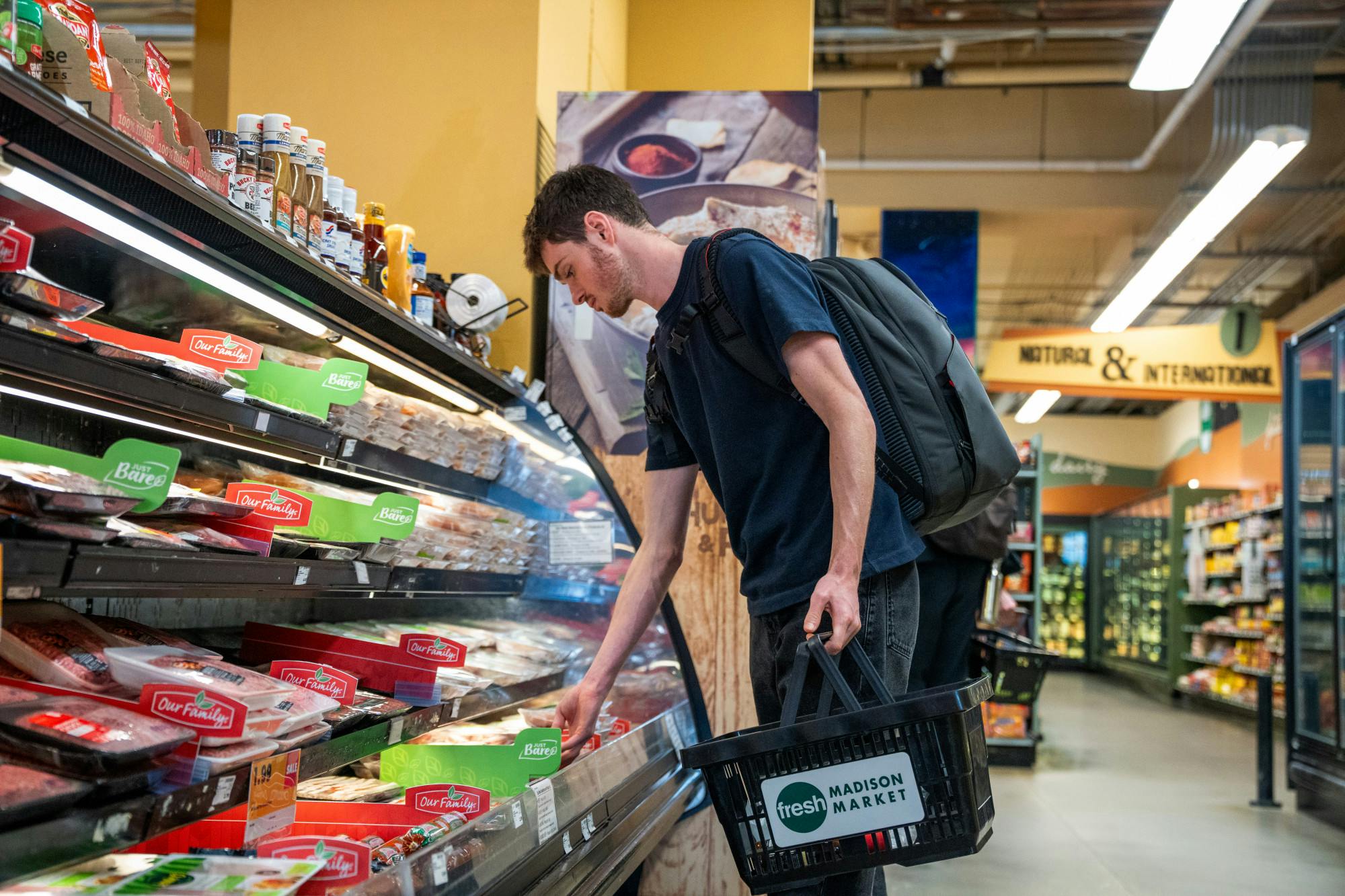
Fresh Madison Market, located on University Avenue, is a popular spot for students to purchase groceries. Despite its convenient location, food is priced much higher than at other Madison grocery stores, such as Aldi, which is roughly five miles off campus.
For example, the “sweet potato beef bowl” is a simple meal that has taken over social media. Made with just sweet potatoes, ground beef, cottage cheese and avocados drizzled in hot honey, viral bowls like this are fueling the meal prepping movement and emphasizing consuming whole foods.
For a student at UW-Madison looking to make this meal, a pound of lean ground beef, one avocado, one pound of sweet potatoes and a 24 ounce tub of cottage cheese comes to a total of $17.46 at Fresh Madison Market. At Aldi, those same ingredients cost just $12.51.
“Cooking is time consuming, and it’s annoying to spend a lot of money on groceries because groceries are expensive,” Klaers said. “To spend a lot of money on groceries for you to cook a meal that turns out bad, or not the way you wanted, is frustrating.”
One of the most common nutrition mistakes Bosscher sees from students trying to balance busy schedules is eating smaller meals early in the day in order to “save up calories” for the evening.
Bosscher said this calorie banking strategy can have significant effects on students’ physical and cognitive functioning. “You’re not gonna die if you do it that way, but are you going to be functioning at your best? No,” Bosscher said.
UW-Madison sophomore Margo Keefe said she has found a way to fit meal prepping into her incredibly busy schedule to avoid these common mistakes.
“It makes it easier later in the week when I have food prepared for my meals, and I have other things to do,” Keefe said. “I always feel better about myself, even a little proud, when I meal prep and stick to my plan for the week.”
Keefe said she prioritizes simple meals “to keep the bill low.” The recipes Keefe uses often come from social media websites, especially Pinterest.
Social media trends like “What I Eat In a Day” TikToks provide many students with recipes and inspirations for eating habits, but Bosscher warns these videos can be unrealistic and unhealthy.
“There’s conflicting advice,” she said. “Those kinds of myths and unhelpful advice get muddled up in a student’s idea of how they should feed themselves.”
The UHS website gives students resources for free consultations from dietitians who can provide them with helpful tips for meal planning.
Bosscher's top tips for those looking to start meal prepping include finding one or two recipes you are familiar with, making ingredient lists based on these recipes and grocery shopping on a different day than you plan to cook. For those looking to begin, she said it’s all about “being flexible, giving yourself permission [to not prep every meal right away] and not expecting 100% coverage.”
Bosscher suggested the meal-planning app Mealime could be a helpful tool in that process. With countless recipes to choose from, users can choose healthy meals, create grocery lists and plan out what to eat for the week.
Slow Food UW is another option available to UW-Madison students. The organization is part of a broader nationwide movement dedicated to providing quality food to communities at affordable prices, with an emphasis on supporting sustainable food production, according to their website. They provide a three-course meal service on Monday nights and a Wednesday cafe meal at The Crossing on University Avenue.
“It is not common for people to have access to a $7 or $8 full balanced meal,” Steven Mose, an intern and volunteer with Slow Food, said. “Every week so far this semester, and most weeks last semester, we have had to turn people away. One time we served over 100 people at a meal service.”
Slow Food UW provides healthy meals to students looking to change their eating habits, but Mose said the organization also helps create a community for people who care about sustainable and affordable eating.
“The other people in Slow Food are proud to see people coming back every week, and it means that they like the food, and they appreciate the community that we build,” Mose said.