University of Wisconsin-Madison sophomore Marcel Jenson is living the typical “work hard, play hard” college experience with one exception: he never drinks alcohol.
“I just don't feel like there's a good reason to drink,” Jenson told The Daily Cardinal. “I don’t know, it’s just never really happened.”
Jenson is part of a larger trend of young non-drinkers. Nationwide, Generation Z is consuming less alcohol than previous generations. A 2023 Gallup poll found that 38% of U.S. adults aged 18-34 say they abstain from alcohol completely.
UW-Madison students are no different, with approximately one in five undergraduate students reporting that they don’t drink alcohol.
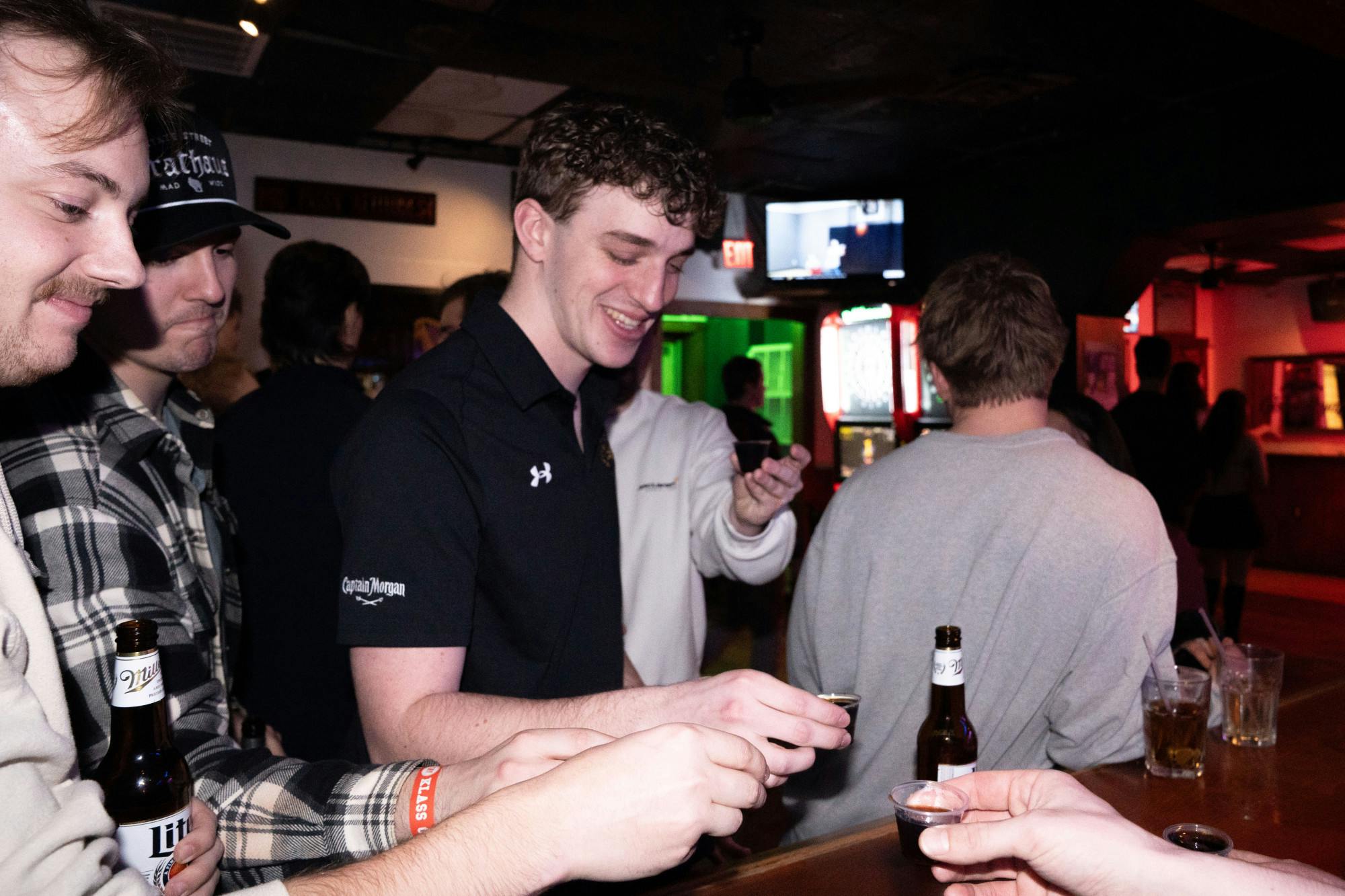
Kaeden Meuer, a manager at State Street Brats, told the Cardinal the bar has adapted to the changing Gen Z drinking habits by implementing THC-infused drinks for those who don’t enjoy the effects of alcohol. The bar also held regular “Love Island” watch parties during the most recent season, opening the sports bar to a broader audience.
Brats’ most popular promotion is Bottomless Thursdays, a weekly $15 all you can drink deal on certain items.
“There's a deal and an excuse to drink for every night of the week,” Molly Kelly, a bartender at Brats, said. “We’ve made a fan base [at Brats], I guess you could say. When I work on Thursday nights, I see the same faces every week.”
Other campus bars have started their own regular drink promotions. The Double U and Church Key also have a bottomless Thursday deal, and Whiskey Jack’s Saloon starts Thursday nights at 25 cent drinks before gradually working up to $3 everything after 10 p.m. UW-Madison junior Mark said he appreciates the promotions and drink deals from campus-area bars.
“It definitely makes the night seem a lot more enticing to go out,” he told the Cardinal. “At the nicer bars on campus and near campus, the drinks are more expensive, and it's not as fun to spend that much more money.”
For those students who do drink, it's increasingly in moderation, with 22% of Gen Z individuals who drink saying they sometimes drink more than they should, down from 28% of Millennials in 2013. Additionally, Gen Z drinkers reported they drink an average of 3.6 drinks a week, down from 4.5.
In a 2025 University Health Services survey, 37% of students said they had participated in high-risk drinking — consuming four drinks in one sitting for women or five in one sitting for men — within the last two weeks. While UW-Madison still sits 15 points above the national average for college students, the proportion of students is decreasing on campus.
“More and more students are coming to campus that aren't drinking or aren't high-risk drinking,” Jenny Damask, UHS assistant director of high-risk drinking prevention, told the Cardinal.
According to Damask, high-risk drinking at UW-Madison goes up as students turn 21, with over 50% of upperclassmen reporting high-risk drinking.
For Jenson, he doesn’t see himself joining this percentage.
Jenson said he’ll try alcohol when he turns 21, but he sees himself “maybe drinking once a week, very lightly, twice a month, something like that.”
There’s no one reason for the decline in Gen Z drinking. A University of Michigan study found that motivations to not drink are often internal, with students citing a lack of desire to drink. External factors that were highly cited were school or work commitments and the desire to save money, finding that 72% of participants said they needed money for something other than alcohol.
However, Damask said financial stress is not one of the top reasons most UW-Madison students abstain.
“Usually what we find is most people aren't too financially stressed,” Damask said. “Our mean — which isn’t everybody — is pretty high income.”
Jenson noted his peers have been supportive of his decision not to drink, and said he has found friends who also don’t drink, something he was unsure about coming from California, given UW-Madison’s strong drinking culture.
Jenson, however, said bars as a hangout spot aren’t appealing to him.
“I don't usually like to be the only one not drinking because I kind of feel, not left out, but just outside of it,” he said.

This Action Project was Created by the Daily Cardinal Editorial staff
As more non-drinking students like Jenson choose UW-Madison, Damask says the university is looking to offer more alcohol-free options to still find community on campus.
“We need to think about a sense of belonging and what it means to be on this campus as a non-drinker or a person in recovery,” she said. “We need to have things in the environment, events that are friendly, just an environment that's really welcoming.”
Damask highlighted the Wisconsin Union’s partnership with UHS’ alcohol-free initiative, Late Night Grants, which sponsors student organizations hosting alcohol-free events. University Housing also has Wisconsin Late Night — weekly events they call “Alcohol Alternative Programming.”
Survey data from UHS shows non-drinkers at UW-Madison may struggle to feel like they belong on campus.
One factor in that discrepancy is that, at a predominantly white institution, students of color and international students were more likely to abstain from drinking than white students.
In UHS’ 2023 “Color of Drinking Survey,” many students said they would like to see more spaces that don’t involve the use of alcohol. Damask says UHS has been working with the Wisconsin Union to bring more fun, alcohol-free spaces to campus.
Mark, who does choose to drink, said he has no issue connecting with those that don’t.
“I do have friends that don't drink, and they still come out with us sometimes. We obviously don't have any peer pressure, whether it’s for personal or religious reasons or anything,” he said.
For the campus bars looking to still thrive amid changing student demographics, Meuer says adaptability is key.
“You have to be willing to be consistently changing, but also stay the same at the same time,” he said. “It's a funny game that we all play in the bar scene.”