UW must take greater responsibility for students’ financial health
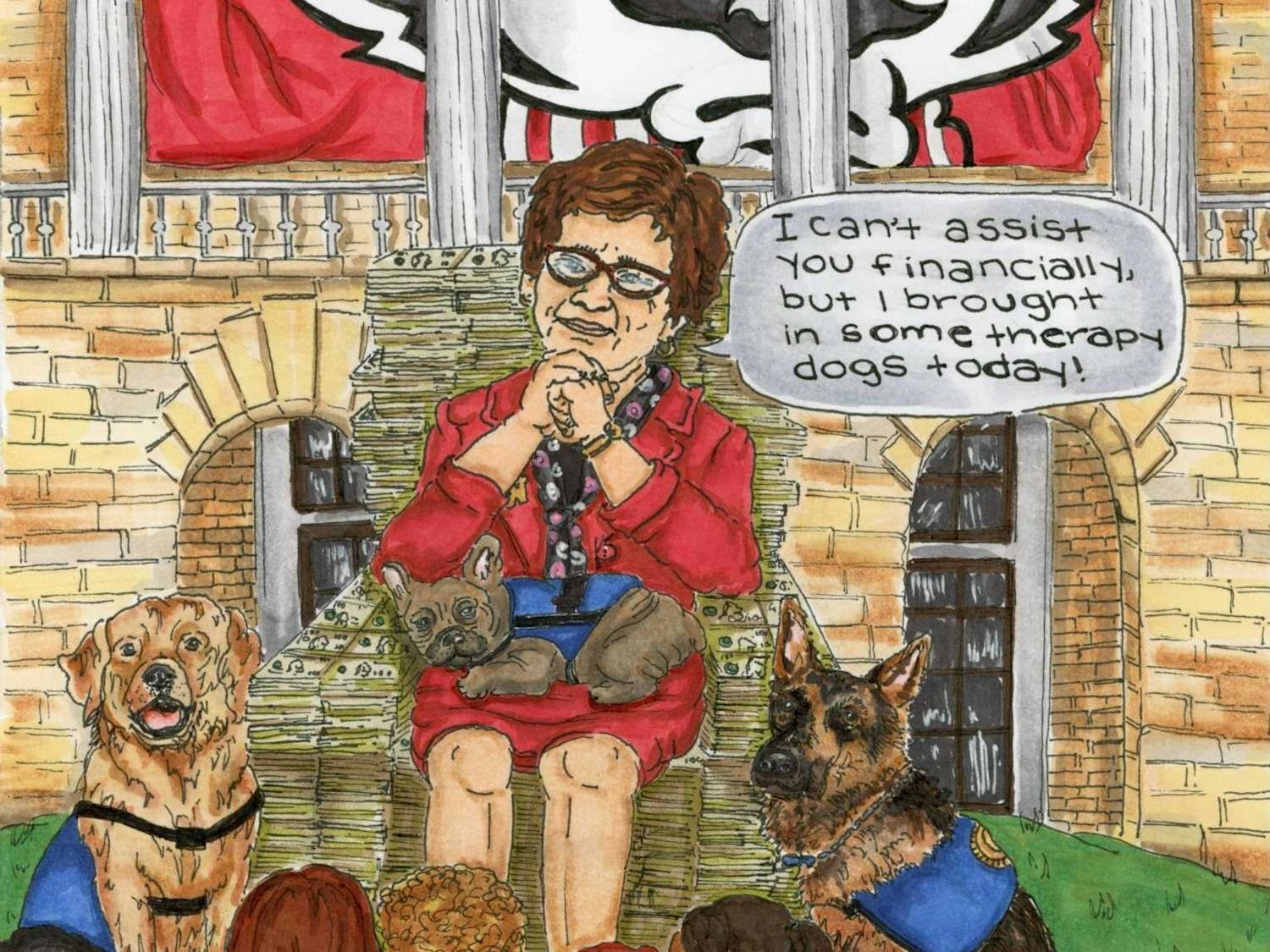
By The Daily Cardinal Editorial Board | Mar. 25, 2021UW-Madison must take strong action in the best interests of students that are left out of aid and scholarship conversations.
UW-Madison must take strong action in the best interests of students that are left out of aid and scholarship conversations.

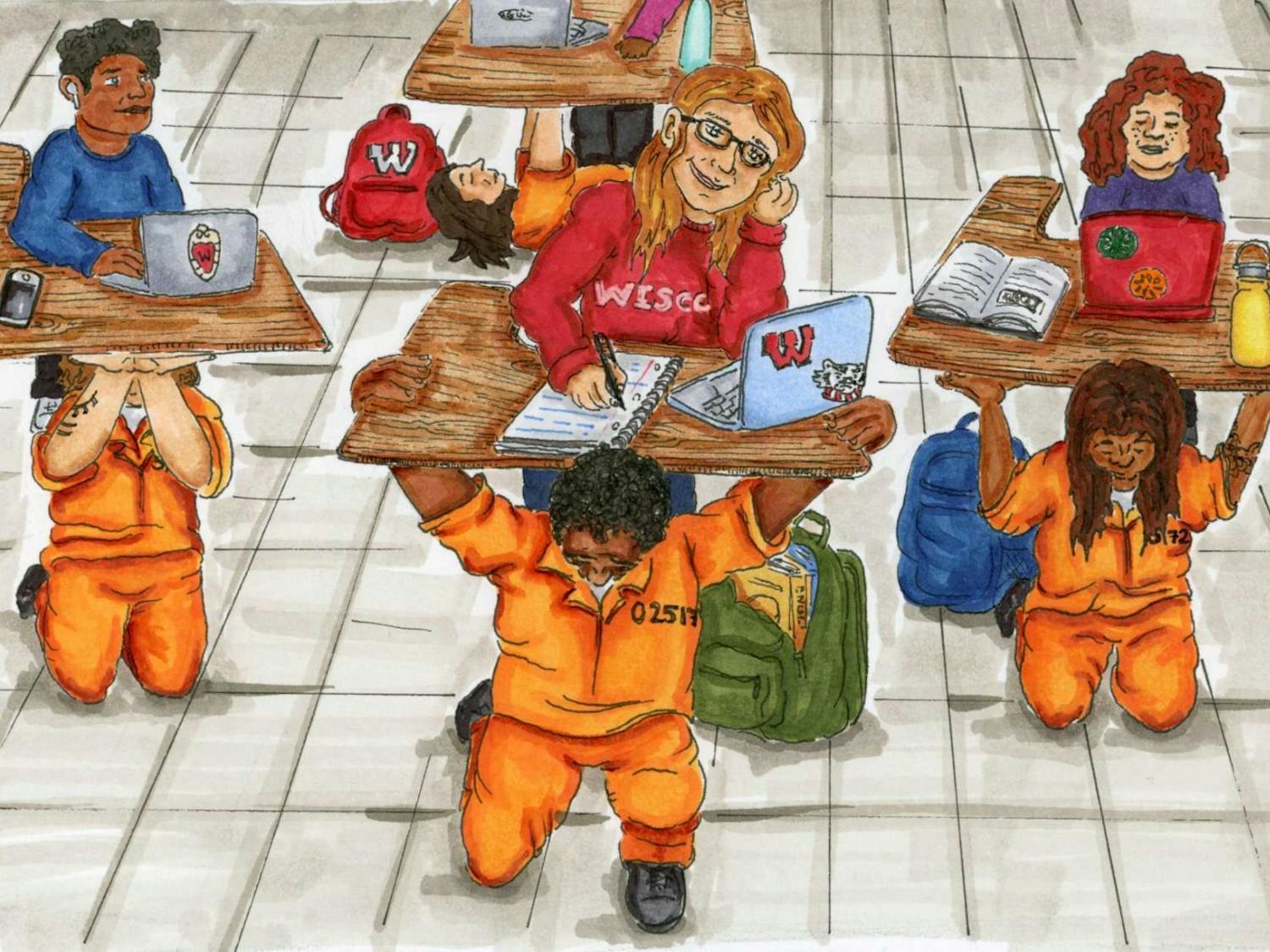
UW is having a serious crisis of character regarding this issue and it is questionable as to why they support progressive ideals within the community, yet benefit directly from what is essentially legal slavery.
Everyone capable of voting in local elections should, and every single member of the city and campus community should stay aware of local politics. After all, change starts from the ground up.
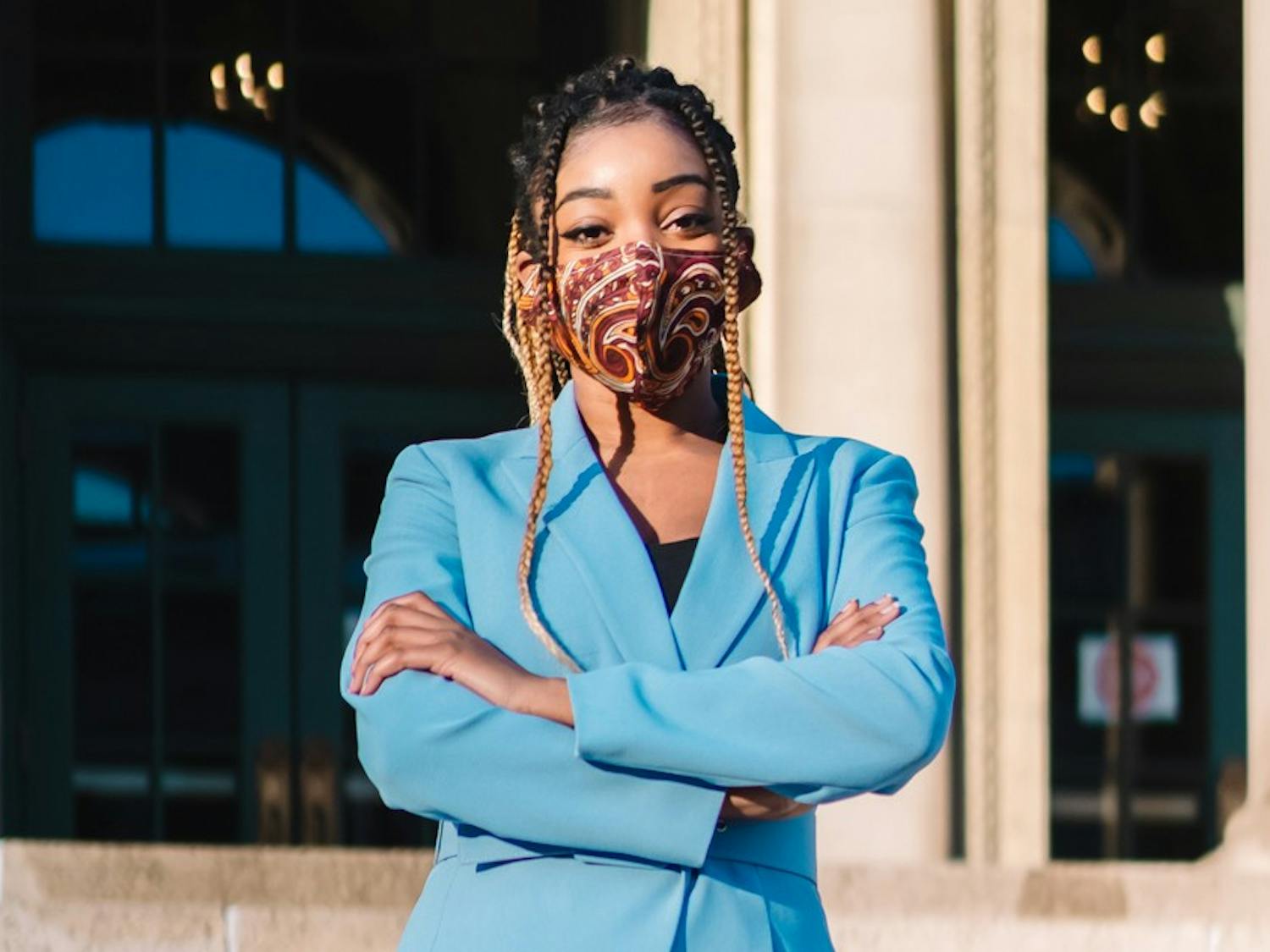
Editor’s Note: On March 31, 2021, the Daily Cardinal retracted this endorsement of Ayomi Obuseh for District 8 Alder following the candidate’s discouraging comments on sexual assault. Read the full statement here.
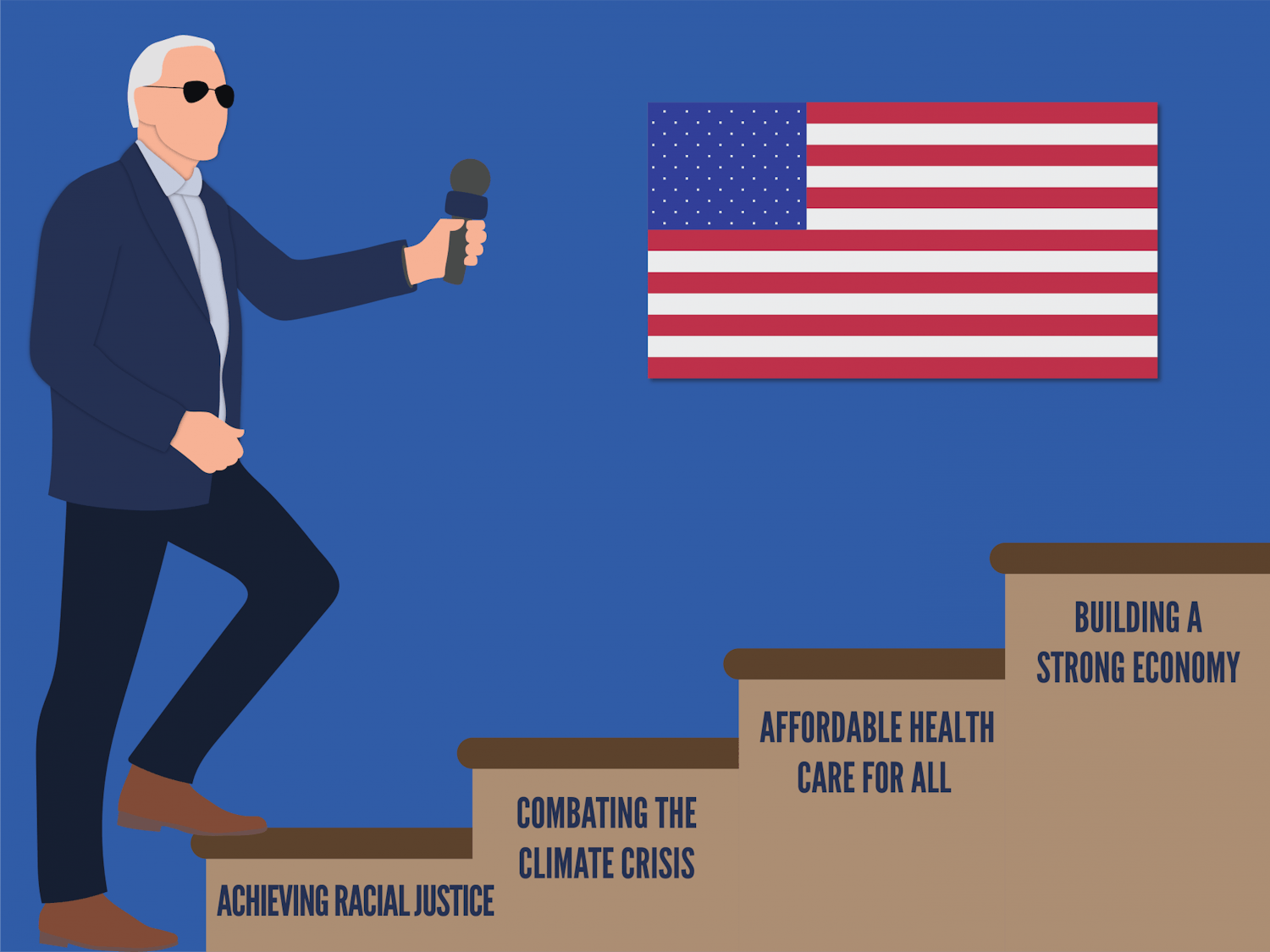
We need someone to step up to the plate, to follow science and restore trust in our government and each other. We need Joe Biden.
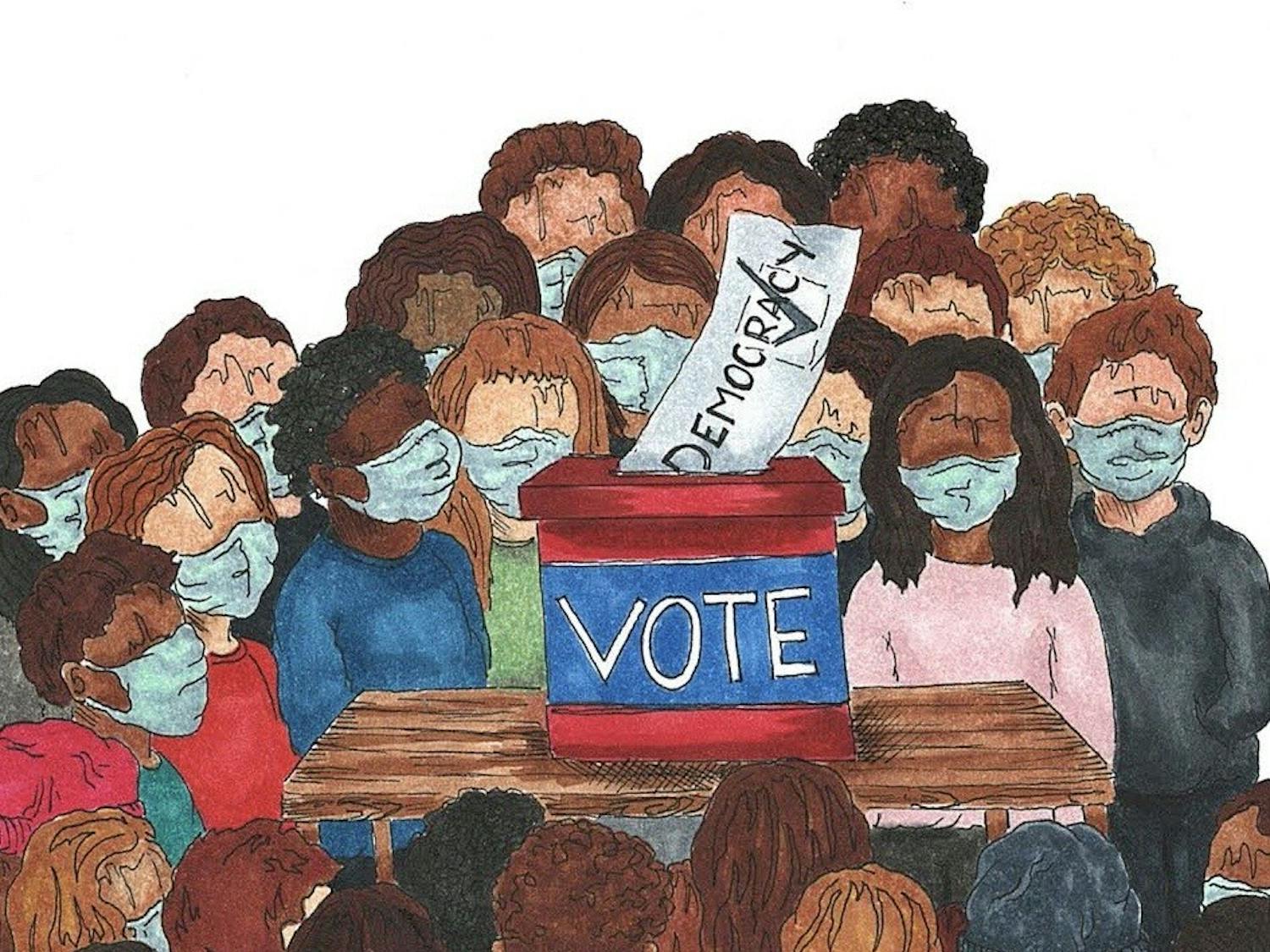
To those not convinced that their vote carries enough weight, or to those that are not compelled to act this election day, we urge you: Vote for those who cannot — their lives, that are equally as intrinsic and dignified as your own, deserve nothing less.
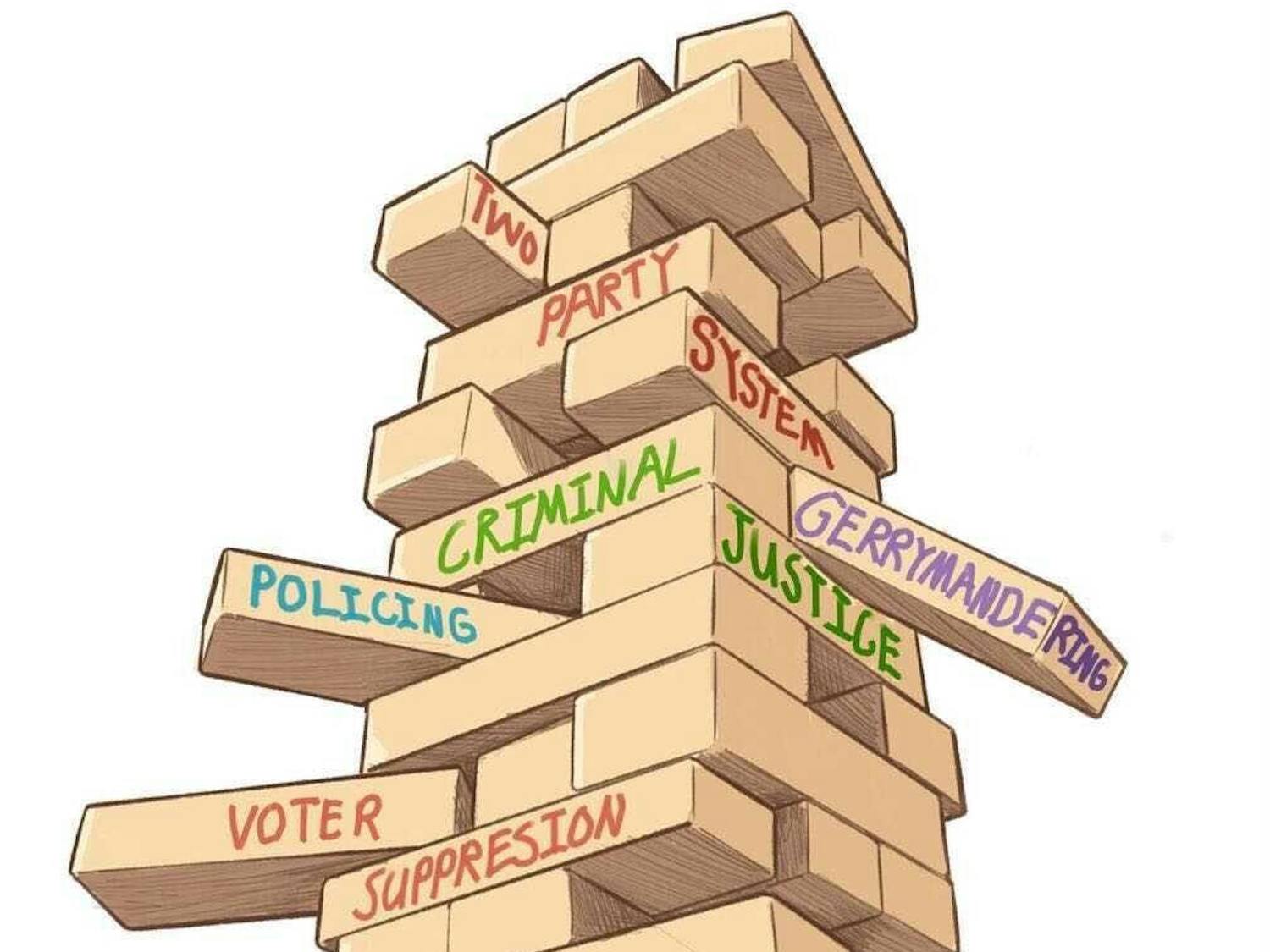
From our systems of policing and criminal justice to the two-party system at large, the structures that govern our lives at the local and national level must be re-evaluated, rebuilt and reorganized.
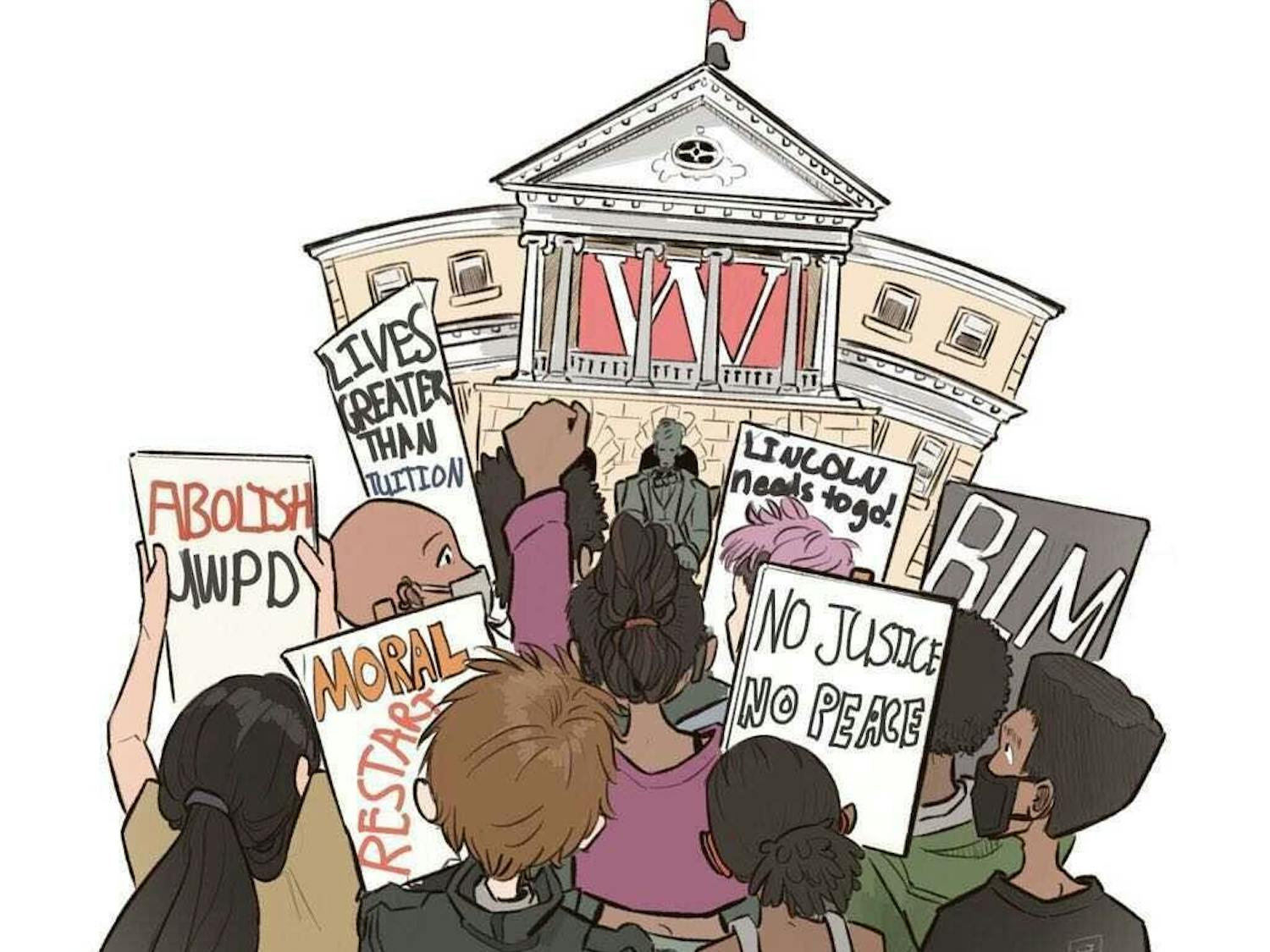
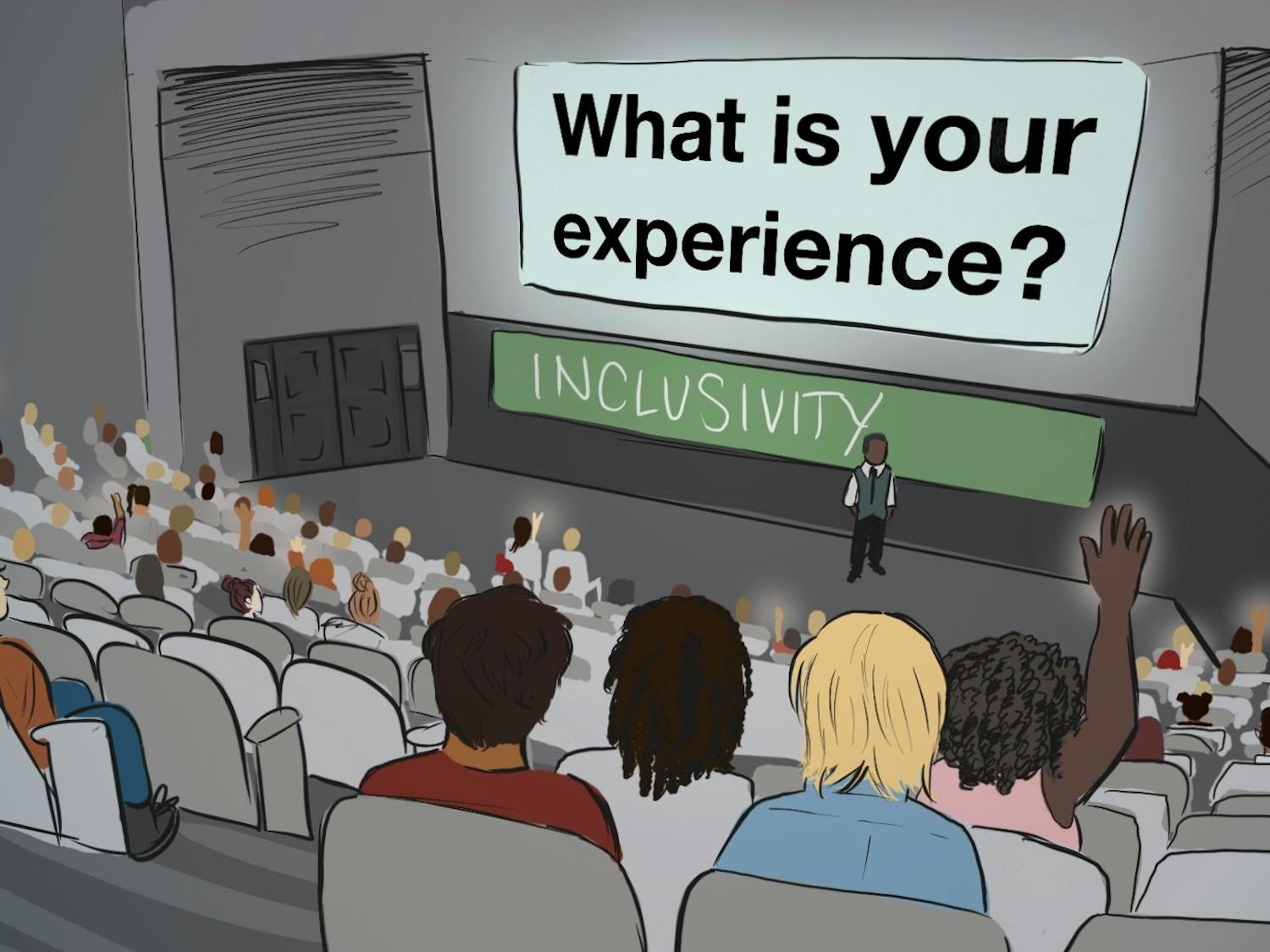
The UW-Madison BIPOC Coalition fights to ensure that all BIPOC students feel heard, respected, and welcome on this campus, yet have been repeatedly ignored by UW Administration — continuing a cycle of institutionalized oppression of marginalized voices.
UW-Madison has already lost its fight against COVID-19 because of our administration's inexplicable insistence that it was a fight we could win.
The Daily Cardinal has the privilege of rejecting silence in the face of injustice, oppression and violence. We all can do more to educate ourselves, listen and advocate for others.
The “American Dream” is dependent on each person, and to believe it’s a one-size-fits-all guide to being a citizen is exactly why revoking DACA will fail to provide for the folx it is made for. It’s failing the folx that are seeking opportunity and access, by revoking their ability to earn their degree, have a job and live a full life.
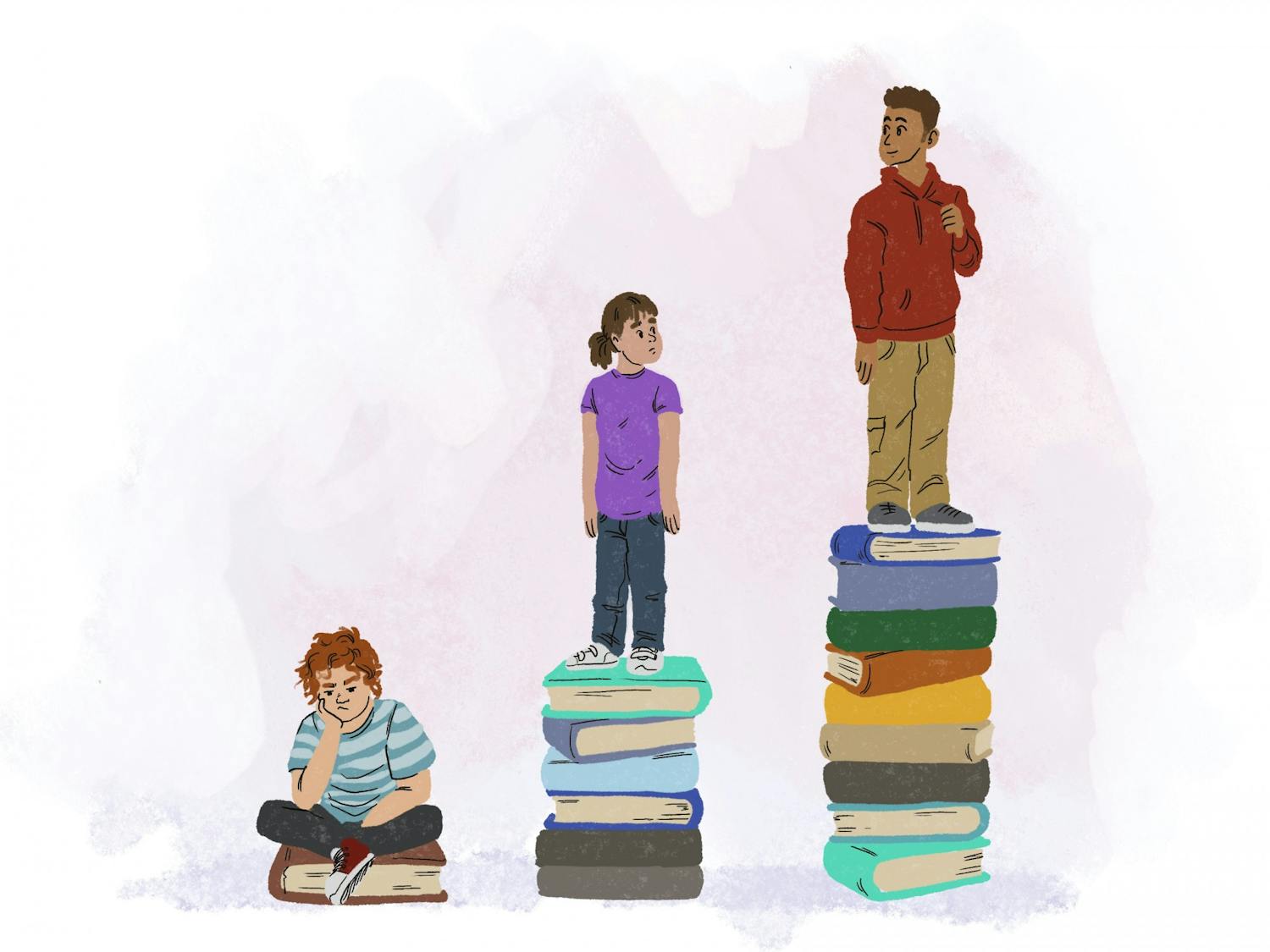
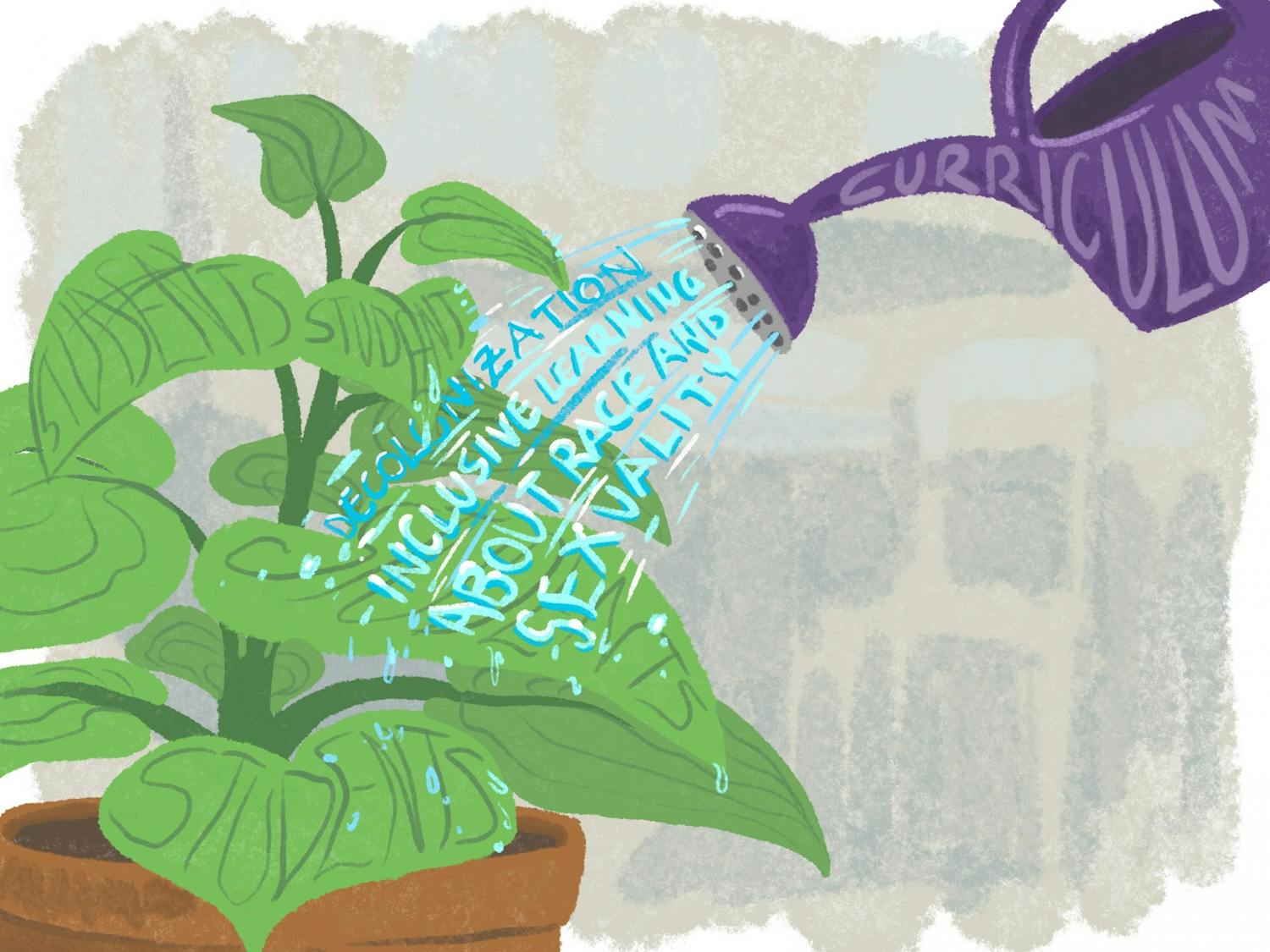
Finding new ways to better students’ educational experiences certainly requires dedication to research and policy change — overhauling the American education system as we know it is no small task. But just because it may be difficult to restructure our schools in a way that is equitable and beneficial for everyone doesn’t mean we shouldn’t try.
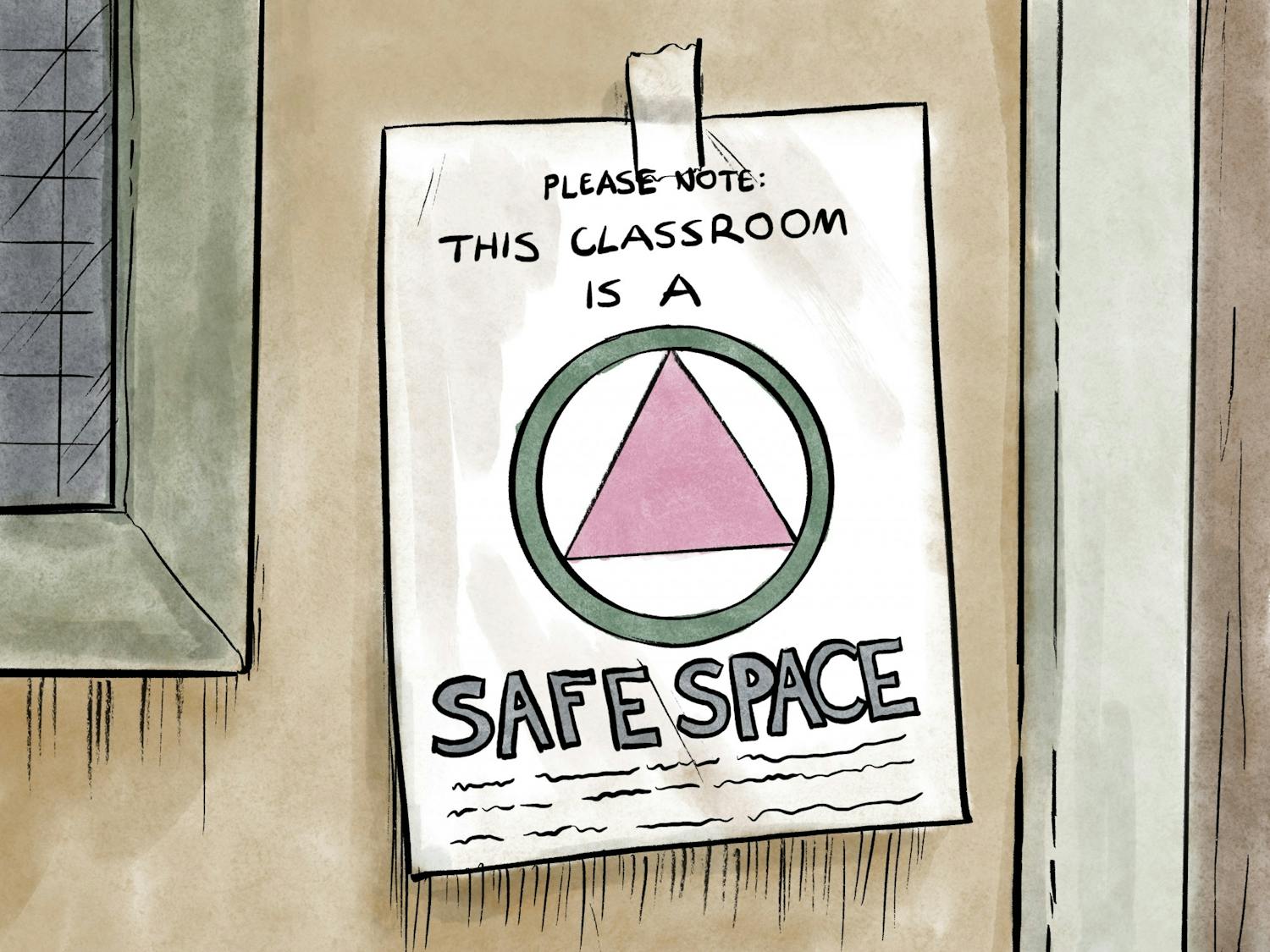
In the end, claiming a space is “safe” only goes so far as the work that is put into it, and it is up to individuals on whether that space is truly safe for them — and not hold it against them if they change their mind.
The educational pipeline is a period of exploration of one’s identity, place in society and their academic interests. It is a phase where opinions are like clay in its initial stages — if well-shaped it can make a beautiful pot, but mishandling can result in long-lasting effects.
When headlines detailing the harrowing situation resulting in grad student John Brady’s death plastered the internet, UW-Madison quaked.
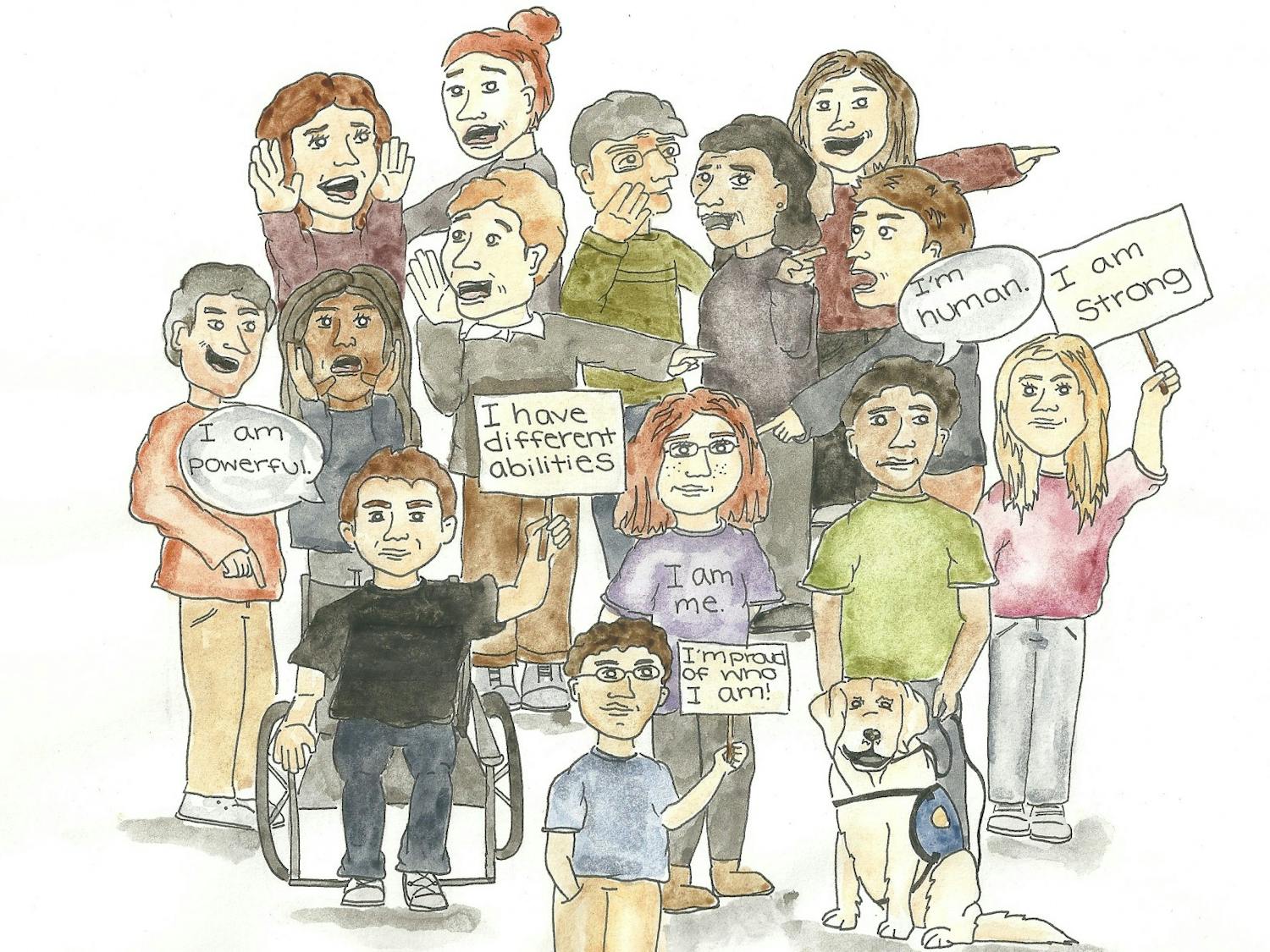
By giving folx with disabilities the control of their narratives, whether it be within the walls of language that currently exist or ones yet to be socially recognized, it continues the evolution of language — and more empathy for fluid expressions of identity.
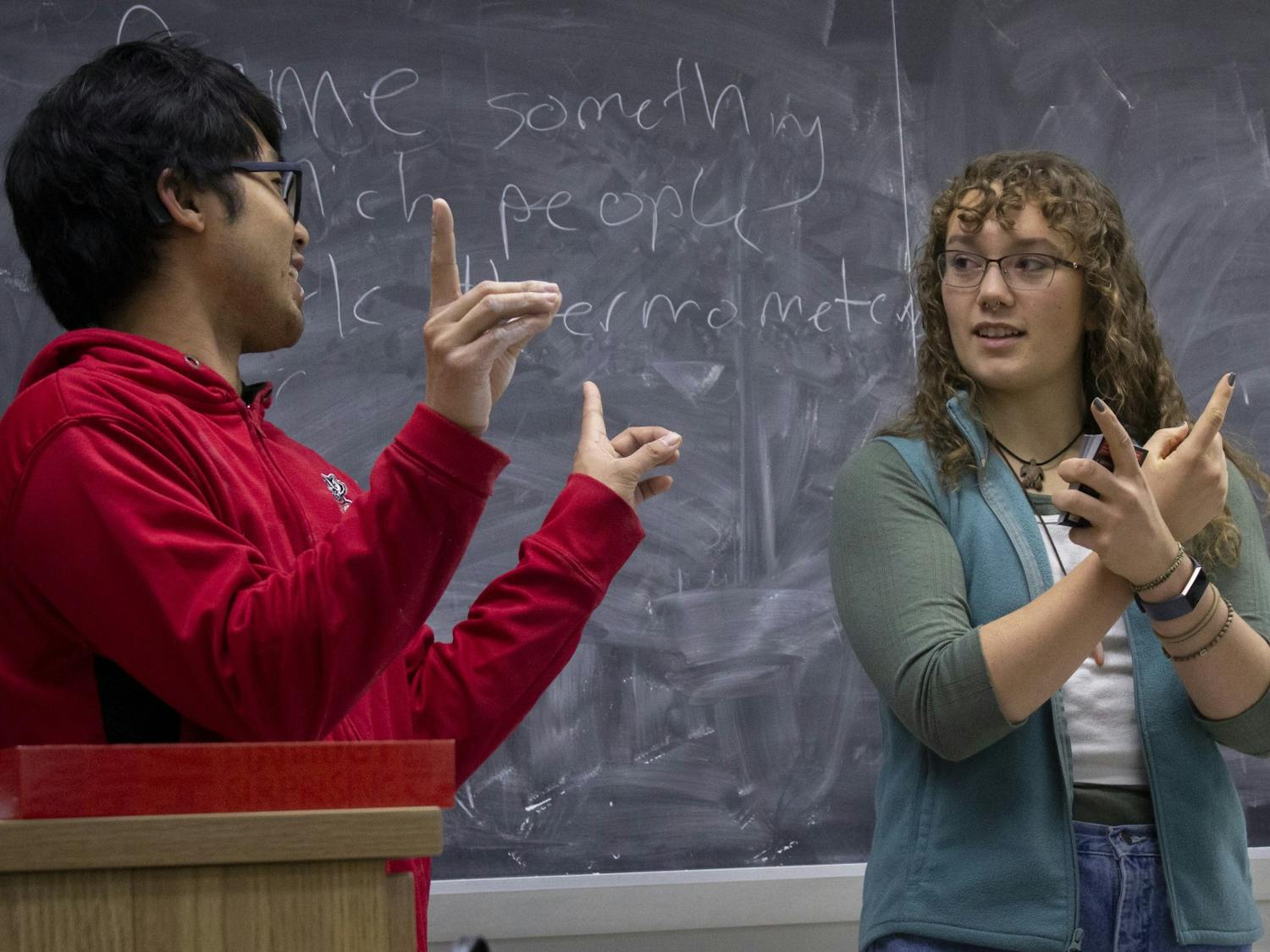
Research suggests American Sign Language may be the third most-used language in the United States. Yet, UW-Madison offers only one course on sign language — despite its own emphasis of “the study of languages, literatures and cultures.”
For college students, the effects of non-apparent disabilities — like depression, anxiety, ADHD, autism and other health related illnesses — transcend simply managing symptoms.
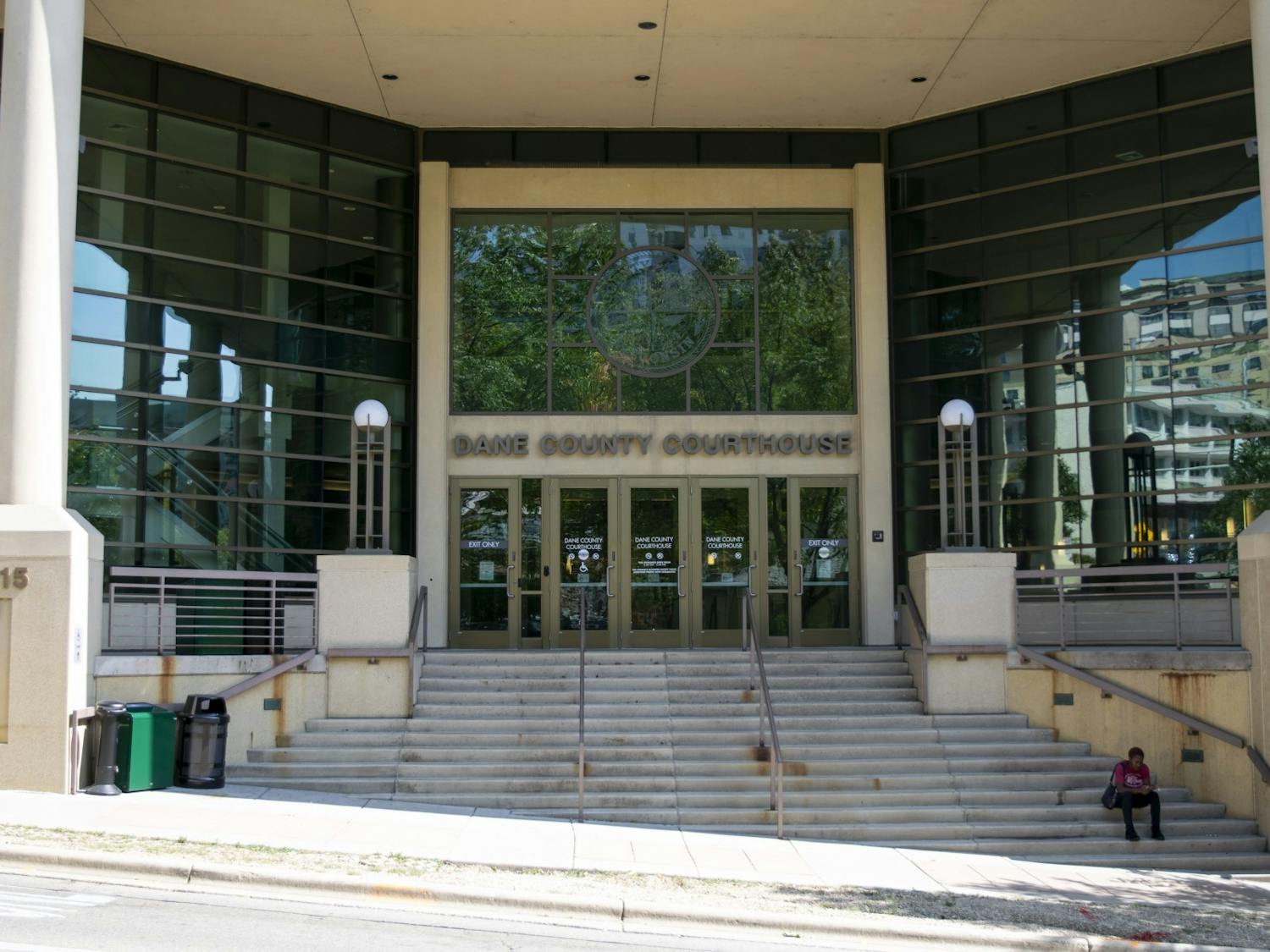
The criminalization of people with disabilities, people of color and people of color with disabilities are some of the most heinous examples of systemic discrimination.
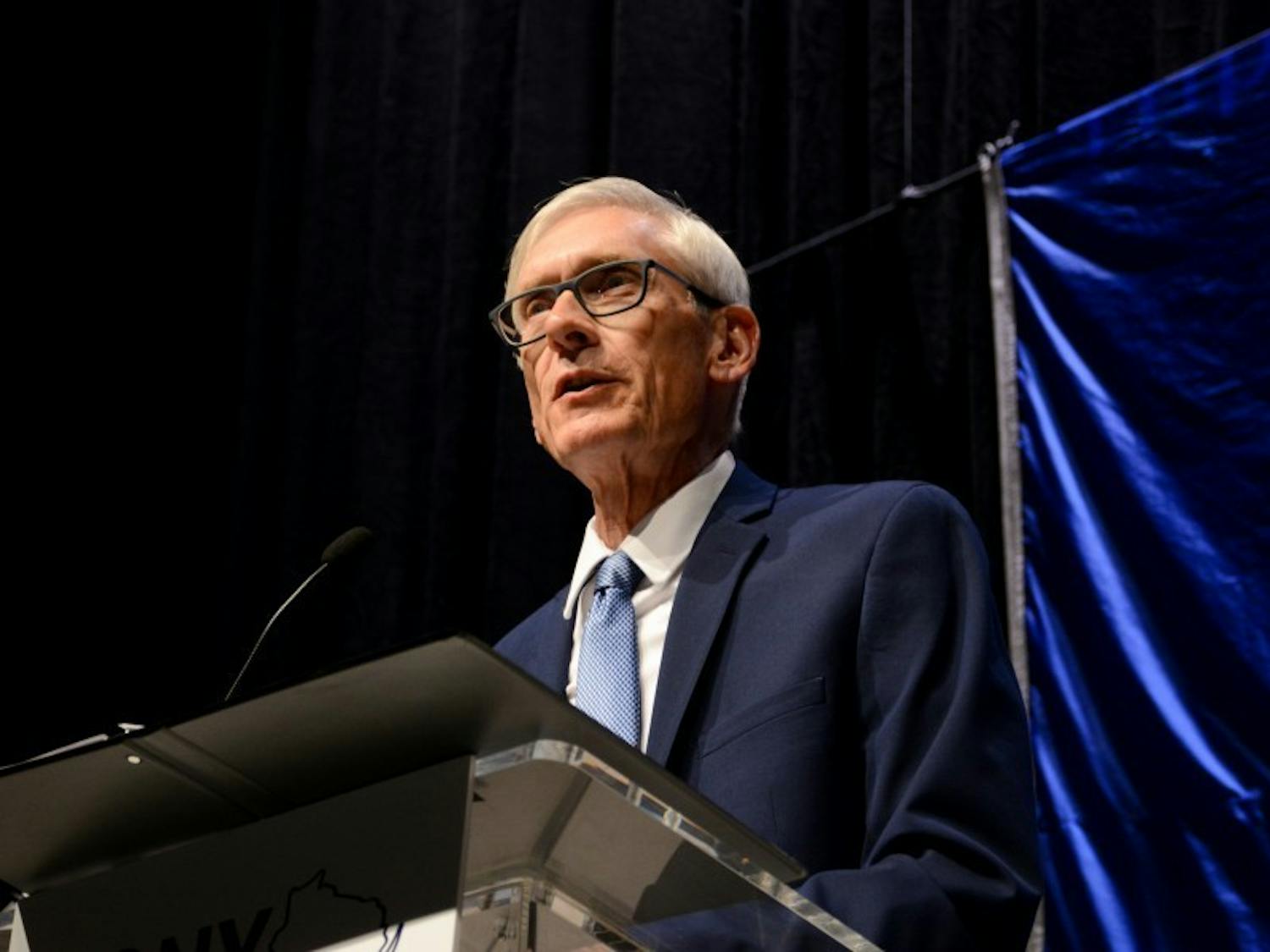
In November of 2018, Wisconsin saw a massive turnout in the midterm elections, resulting in the election of Democratic Governor Tony Evers over Republican incumbent Scott Walker in the gubernatorial race. With just over 1 percent of the vote, Evers’ win was narrow. As he celebrated his victory, Evers promised Wisconsin residents “change is coming” — and change has certainly been seen in the field of environmental policy in just a few months since the election.