President Donald Trump’s proposed mail-in ballot rules will not affect the Wisconsin midterm election in November.
The U.S. Supreme Court on Monday rejected a Trump executive order that would have significantly changed the United States Postal Service (USPS) current mail-in ballot rules in time for the Nov. 3 election. If allowed, a key part of the rule would require absentee voters to be deemed eligible from a state-by-state list governed by the USPS and specific envelope requirements.
The ruling ends weeks of legal action that created uncertainty for states, including Wisconsin, that had already started sending ballots to voters ahead of the midterm election.
In a one-page majority opinion, the court argued that state and local elections officials would not have "sufficient time” to reasonably implement the USPS rule before the 2026 elections. The decision allows states to continue sending out ballots under the same process for the upcoming election.
What does this mean for voters in Wisconsin?
Election officials in Wisconsin have said it would be impossible to comply with the rule in time for the midterm election with ballots already on their way to absentee voters.
As of Sept. 9, Wisconsin sent 93,891 absentee ballots to voters, the Wisconsin Elections Commission told The Daily Cardinal in an email. One-hundred twelve of those ballots were signed and returned.
Following Monday’s ruling, Wisconsin Attorney General Josh Kaul said in an email to the Cardinal the state will continue to ensure integrity in the midterm election even with clarity on mail-in ballot rules.
“With this decision, the Trump administration’s reckless and unconstitutional effort to seize control over mail-in voting in the upcoming election has failed,” Kaul said. “While this important win for democracy is a relief, we will remain vigilant about protecting the integrity of this fall’s election.”
Before the ruling, Wisconsin Elections Commission Chairman Don Millis said in a declaration to the Supreme Court on Aug. 31 he is “extremely concerned about the effects” on the midterm election.
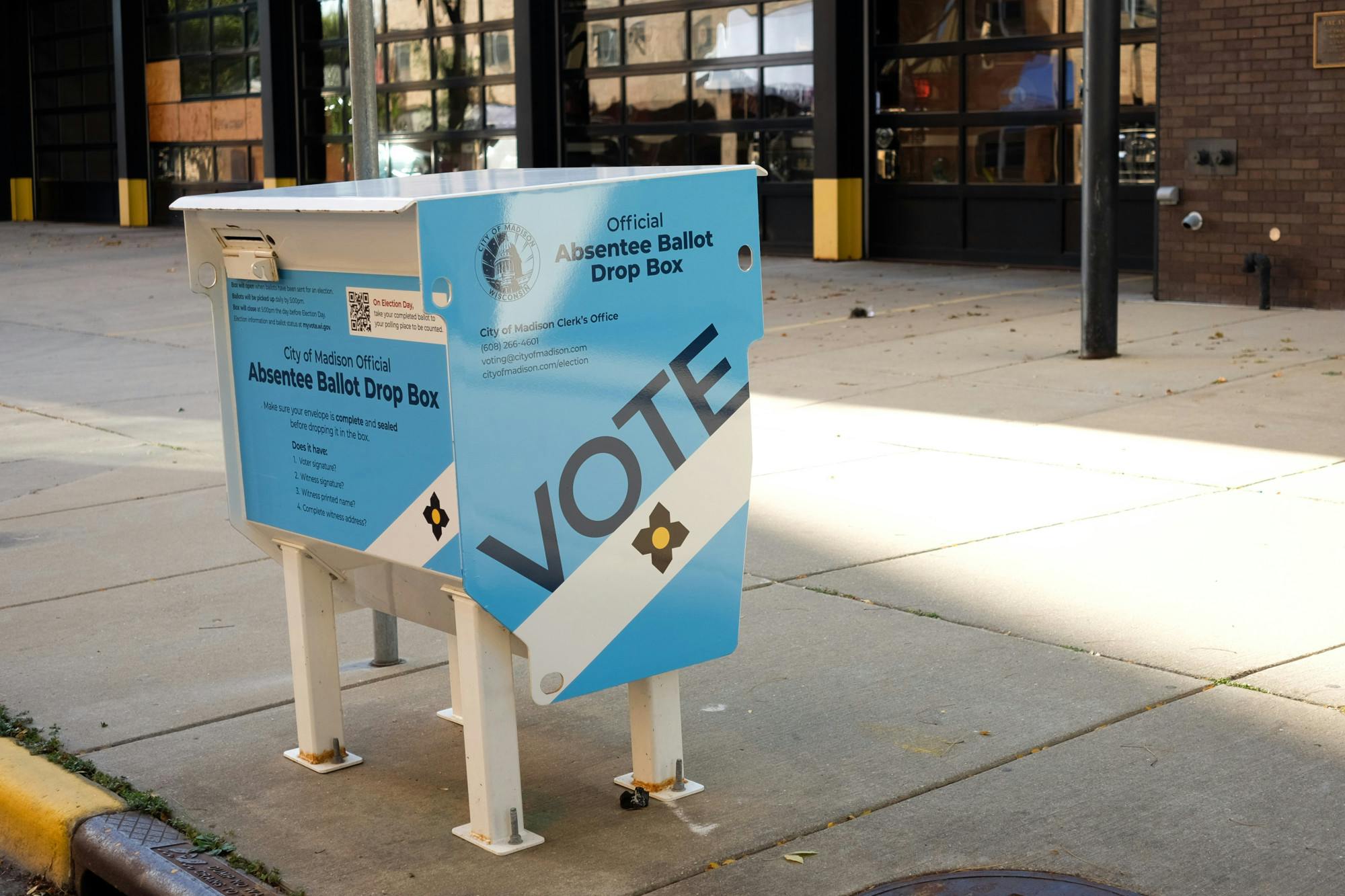
If the Supreme Court sides with Trump, Millis said voters returning their ballot can hand-deliver it to their clerk’s office or to approved dropboxes instead of trying to mail it back. The Republican chairman warned if voters decide to mail their ballots back under the proposed new rules, there’s a chance the postal service may not deliver it.
The Wisconsin Elections Commission said it expects to file more than 283,000 absentee requests statewide by the Sept. 17 deadline. Mail-in voting has become a popular method, as nearly one-third of all voters voted by mail in the last presidential election, according to a report from the U.S. Election Assistance Commission. In Wisconsin, 500,000 voters used absentee ballots in 2024 elections.
The order echoes a continued push by the Trump administration to limit mail in voting and publicly criticize the method, sowing uncertainty amid high-stake federal and state elections on the Nov. 3 ballot.
During the legal action, Wisconsin joined 25 states in a lawsuit against the USPS, saying in the filing that its new rule that implemented Trump’s demands was unconstitutional.
“[The rule] inflicts significant, irreparable harm on states by imposing burdensome mail voting requirements that risk disenfranchising voters,” the Wisconsin Department of Justice said in an Aug. 28 news release.
“This Trump administration attack on mail-in voting must not be permitted to upend the administration of the upcoming election,” said Kaul, who is up for re-election on Nov. 3.
The White House is arguing that mail-in voting restrictions are “common sense” changes that are within its power to “protect the integrity” of mail and ensure citizenship verification.
Shane Colpoys is a sports editor for The Daily Cardinal. She has written in-depth on the Wisconsin women's hockey team beat.