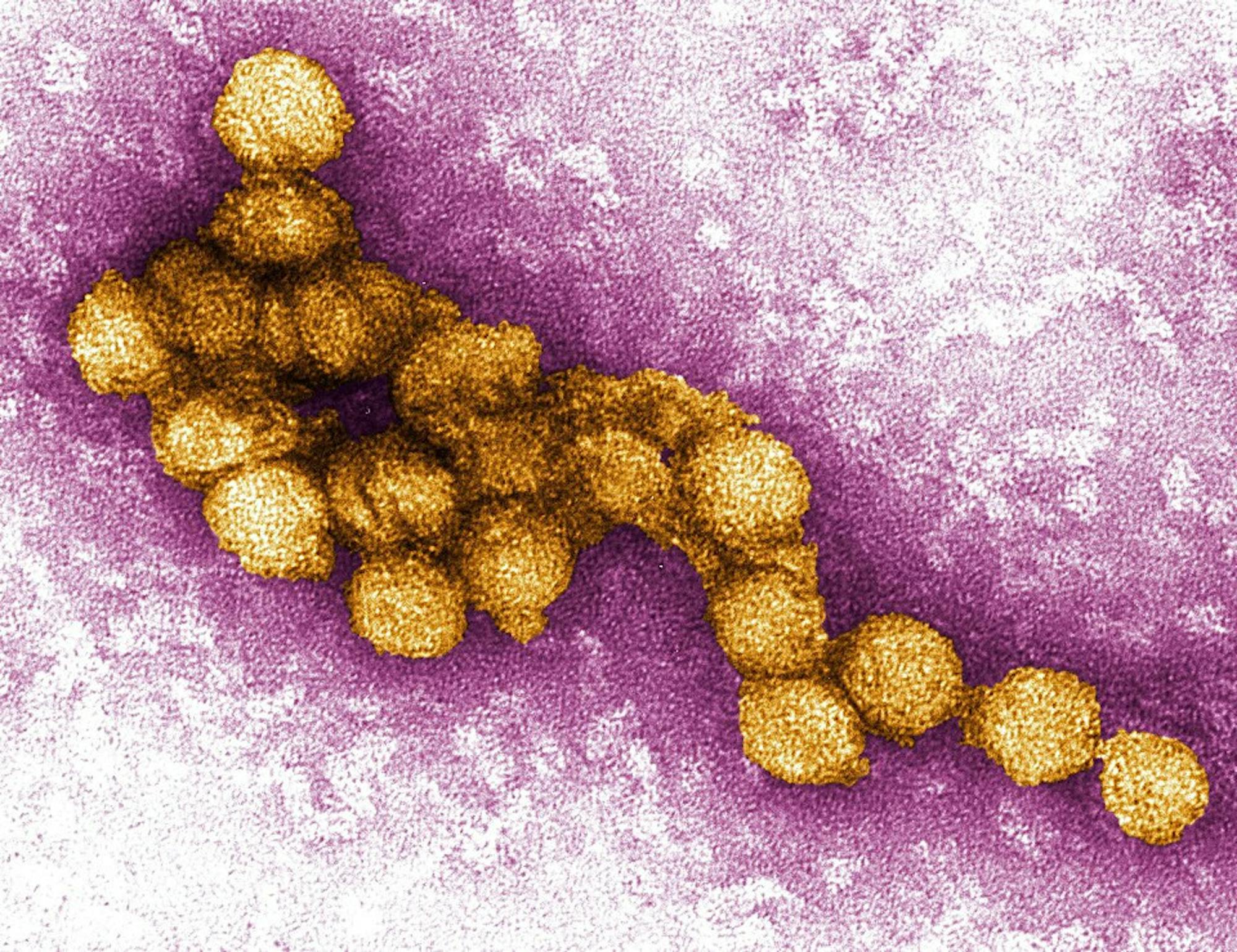
Public Health Madison & Dane County reported the first human infection of West Nile Virus (WNV) this season Sept. 22.
As of the 22nd, four people have had WNV in Wisconsin this year, while the state averages 18 reported cases annually. There were three detected human cases of WNV in Dane County in 2025.
WNV is a virus spread most commonly by the bite of an infected mosquito. Preventing mosquito bites is the primary way individuals can protect themselves from WNV. The mosquitoes that carry WNV are most active in Wisconsin during August and September, and their activity will decrease once temperatures drop or during hard frost.
“Dawn and dusk are the times when this type of mosquito is out. So be extra careful around those time periods,” Daniel Shirley, an infectious disease physician at UW Health, told The Daily Cardinal.
Eighty percent of individuals who contract WNV do not get sick, and those who do typically experience mild symptoms such as fever, headache, muscle aches, rash and fatigue, according to Dane County health officials. Less than 1% of those infected become seriously ill from the virus, expressing more severe symptoms like high fever, muscle weakness, stiff neck, disorientation and mental confusion.
For college-aged students, however, severe illness from WNV is less common.
“Because students are generally young and healthy, these types of things aren't at the highest concern [for them] necessarily,” Shirley said. “[Contracting WNV] is much more likely if you're older or you're immunosuppressed. And actually, most people don’t have any symptoms.”
Other recommendations from health officials to prevent mosquito bites include applying insect repellent correctly, wearing long, loose-fitting clothing and eliminating standing water, which can serve as a breeding ground for mosquitoes.