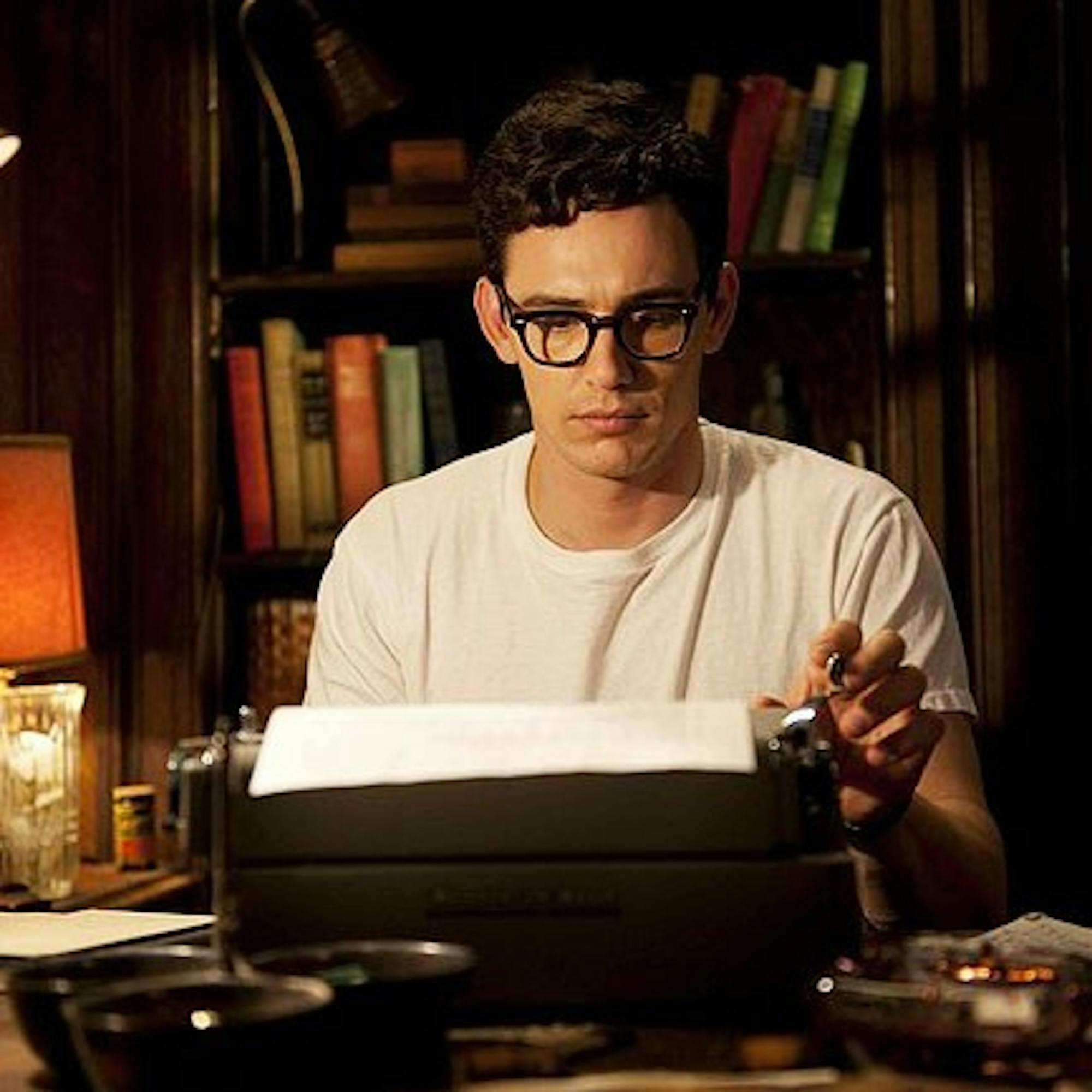
Making a movie about the life of a great artist is a big responsibility. Some have done so successfully: Vincente Minnelli's ""Lust for Life,"" a film about the relationship between Vincent Van Gogh and Paul Gauguin, is considered by many to be the best film about an artist ever made. Others have not faired so well. ""Factory Girl"" tells the story of Andy Warhol's muse, Edie Sedgwick, and was reviewed by many as shallow.
So what do you do when telling the story of a man who defied social norms, was disgusted by mainstream media and wasn't even looking for fame in the first place, just to get published? How do you make sure you don't make a mockery of yourself, and more importantly, the artist in question?
You do a damn good job. Directors Rob Epstein and Jeffrey Friedman knew this, as their film, ""Howl,"" beautifully depicts poet Allen Ginsberg and his most famous work.
The movie is segmented into three portions. The first is the past. Delivered in black and white, the introduction tells of the adventures, love and desire for freedom that led Ginsberg to create his seminal poem. The second portion, posed in the present, is set in San Francisco, where ""Howl"" and the book store owner who printed it are on trial for obscenity. The final portion is a visualization of the poem itself, an illustrated narrative that flashes by as ""Howl"" is read aloud.
As impressive as all three parts are, it is during the present, obscenity trial portion of the film that ""Howl"" hits its stride. This is due largely to the superb acting. Jon Hamm plays Jake Ehrlich, the lawyer who defended the book store owner, and does a phenomenal job conveying the significance of Ginsberg's work. Jeff Daniels, Mary-Louise Parker and David Strathairn also use their talents in a courtroom scene that depicts the debate and confusion that surrounded ""Howl.""
However, James Franco is by far the film's standout. His portrayal of Ginsberg is effortless, as he is able to get inside the vulnerably brilliant poet's mind. From his body language to his now-famous language, the young actor does the poet profound justice, delivering a performance few will be able to forget.
The one place the movie falters is its depiction of ""Howl"" itself. Poetry is powerful because it means something different to every reader. While the film's attempt to illustrate the poem is understandable, even enjoyable, there is something about the illustrations that feels forced. What made Ginsberg's masterpiece impactful and controversial were the words that constructed it. By using such visually stunning artwork to manifest the ideas of ""Howl,"" the greatness of the poem is overwhelmed and the individual interpretation lost.
Despite this, ""Howl"" is a fantastic take on a timeless piece of literature. When you turn your own interpretation of an artist's work into a motion picture, there are bound to be some critics who don't care to hear what you have to say or who would rather let their own interpretations be the only one they take seriously. While this instinctive reaction is understandable, ""Howl"" deserves credit for its thoughtful point of view.